Strait of Hormuz Crisis Explained Iran, Israel & USA War 2026
The world changed on 28 February 2026. In the early hours of that morning, the United States and Israel launched one of the most significant military operations in decades a coordinated air campaign against Iran. What followed was a chain of events that has shaken global oil markets, displaced millions of people, closed one of the world’s most vital waterways, and pushed the Middle East to the edge of an even larger catastrophe. This article explains everything: how the war started, what the Strait of Hormuz is and why it matters, what both sides have done, and where things stand today.
Background: years of tension before the war
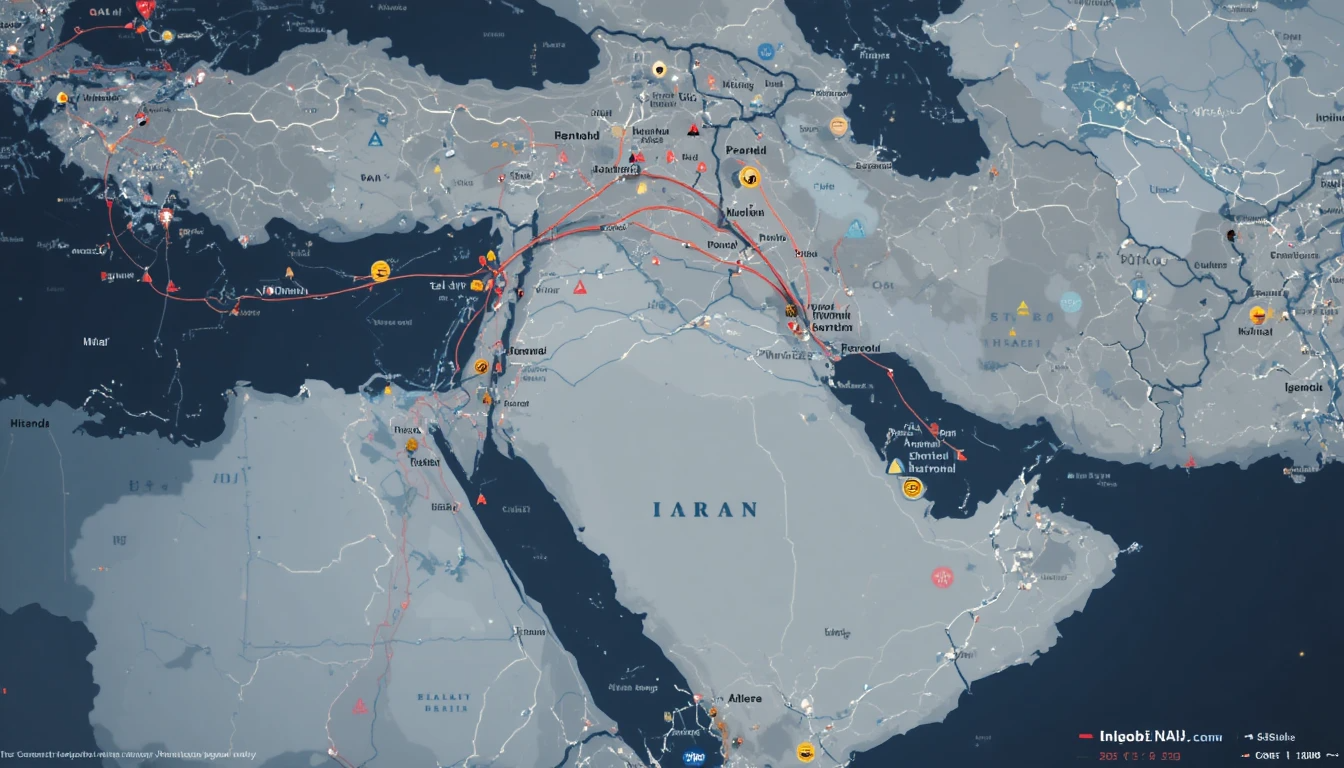
The conflict did not come out of nowhere. For years, the United States, Israel, and Iran had been locked in a dangerous standoff over three main issues: Iran’s nuclear programme, its long-range ballistic missile capabilities, and its military influence across the Middle East through armed groups like Hezbollah in Lebanon, Hamas in Gaza, and the Houthis in Yemen.
Western governments and Israel accused Iran of secretly developing nuclear weapons under the cover of a civilian energy programme. Iran denied this, but repeated rounds of international sanctions, covert sabotage of Iranian nuclear facilities, and the assassinations of Iranian scientists kept tensions at a boiling point. By early 2026, US and Israeli intelligence concluded that Iran was dangerously close to being able to build a nuclear bomb and both governments decided to act.
How did the war start? Operation Epic Fury
On 28 February 2026, the United States and Israel launched coordinated airstrikes on Iran under an operation codenamed “Operation Epic Fury.” The targets included Iranian military bases, nuclear facilities, missile production sites, and key leadership figures. The most dramatic outcome of the strikes was the death of Iran’s Supreme Leader, Ali Khamenei the man who had led Iran for over three decades.
Iran’s response was swift and wide-ranging. Within hours, the IRGC fired waves of missiles and drones at Israeli cities, US military bases across the Gulf, and the infrastructure of US-allied Arab states including the UAE, Qatar, and Bahrain. The war also reopened the Lebanon front. Iran’s proxy Hezbollah launched rockets into northern Israel. Lebanese authorities say Israeli operations there have killed more than 2,600 people and forced over one million people to flee their homes.
What is the Strait of Hormuz and why does the whole world care?
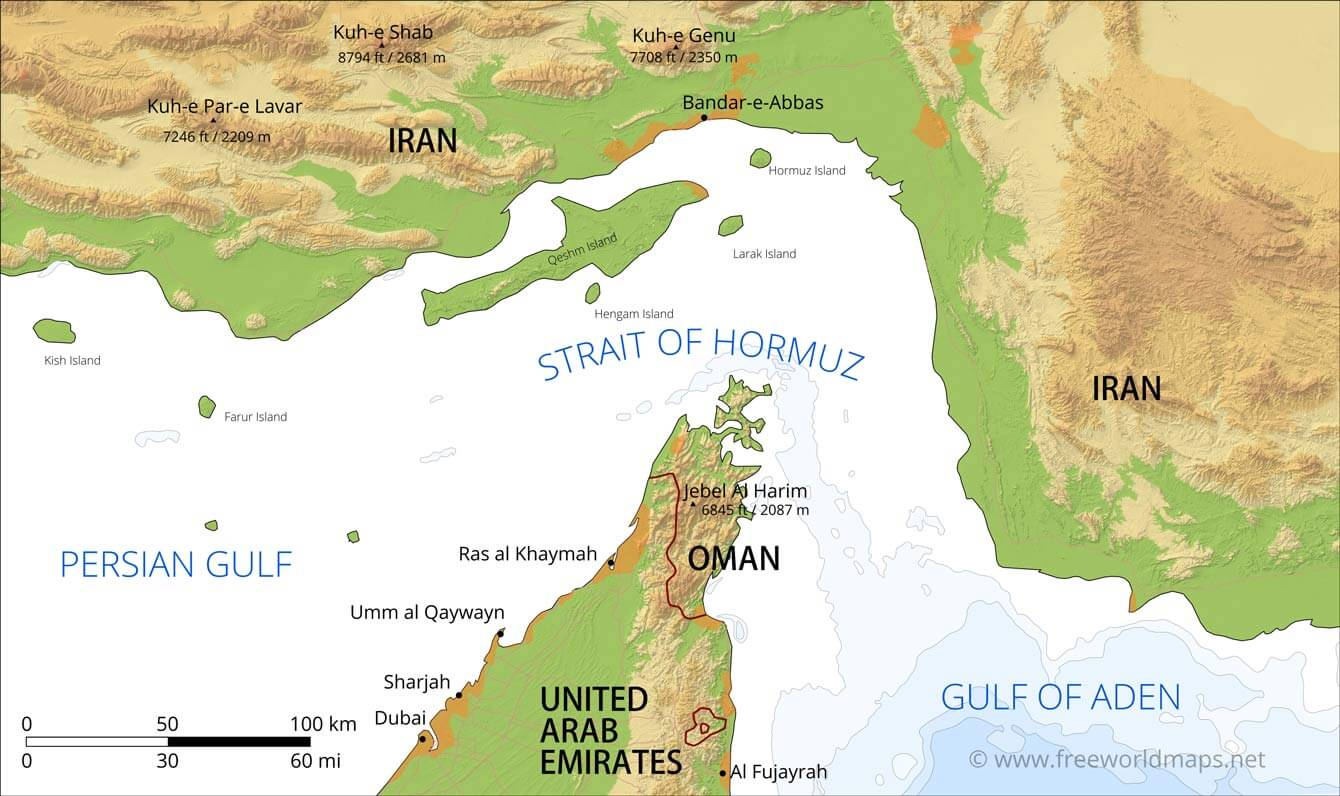
The Strait of Hormuz is a narrow strip of water at its narrowest, just 33 kilometres wide that separates Iran from Oman and connects the Persian Gulf to the open ocean. Before this war, roughly 20% of the world’s oil supply and 20% of all liquefied natural gas (LNG) passed through it every year. Around 3,000 ships used the strait every single month.
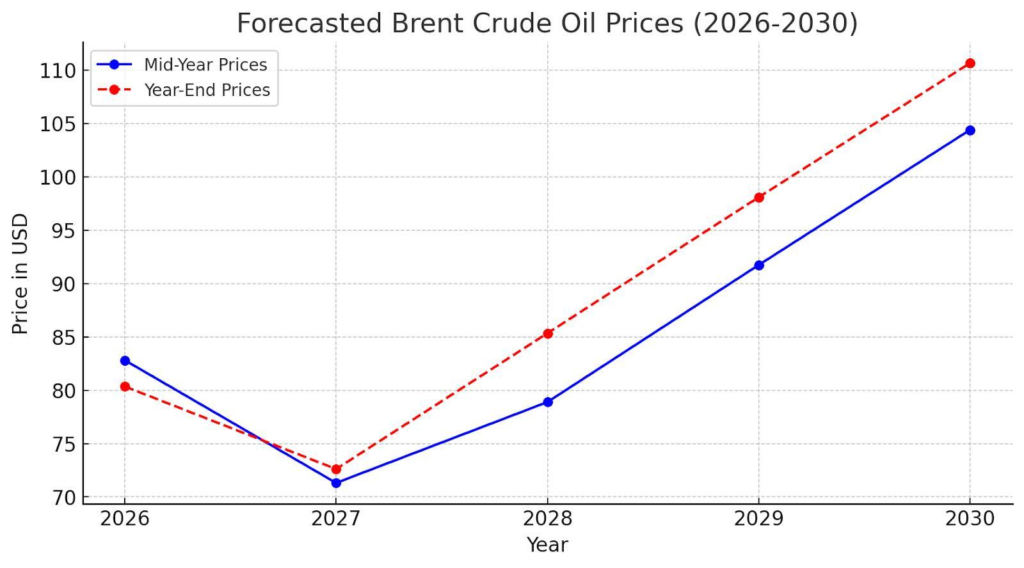
Countries across Asia depend heavily on oil flowing through Hormuz. When the strait is threatened, fuel prices rise, supply chains break, and economies suffer. Fuel shortages have appeared in parts of Asia, global oil prices have spiked, and shipping companies have rerouted vessels around Africa adding thousands of kilometres and millions in extra costs.
Iran closes the strait the US responds with a counter-blockade
On 4 March 2026, Iran officially declared the Strait of Hormuz “closed.” The IRGC began laying sea mines, boarding merchant ships, and firing on vessels it deemed hostile. Shipping traffic collapsed by more than 90%. Iran selectively allowed some ships from friendly nations through, but for most of the world’s tankers, the strait was impassable.
The United States responded on 13 April by launching its own counter-blockade, stopping all ships from reaching Iranian ports. By early May, 48 Iranian ships had been turned away in just 20 days. The result was a “dual blockade” leaving the entire waterway in dangerous limbo.
Ceasefire but the Hormuz standoff continues
The United States and Iran agreed to a ceasefire on 7–8 April 2026. President Trump told Congress that “hostilities have terminated.” However, the strait remains closed. On 3 May, Trump announced “Project Freedom” a US Navy escort operation for stranded ships. Iran’s foreign minister rejected it, calling it “Project Deadlock.” On 5 May 2026, US and Iranian forces exchanged fire in the strait again, raising fears the ceasefire is cracking.
Diplomacy: can a deal be reached?
Pakistan is mediating peace talks. Iran’s 14-point peace plan demands non-aggression guarantees, an end to the US blockade, and a full ceasefire across all fronts. The IRGC has set a 30-day deadline for the US to lift its blockade. Thirty-eight countries have signed a statement calling for safe passage to be restored.
What should you watch next?
Watch three things: whether US–Iran talks produce a deal before the deadline; whether Project Freedom moves ships without triggering a new Iranian response; and whether the Lebanon ceasefire holds. We will update this article as events develop.
Iran-Israel-USA war: Strait of Hormuz analytics dashboard with charts, key statistics, timeline, and images
Key statistics — May 2026
Shipping traffic through Strait of Hormuz
Monthly vessel transits (Jan–May 2026)
Source: Kpler / Lloyd’s List Intelligence
Oil that transits Hormuz by destination
Pre-war, % of Hormuz crude exports. Source: EIA
Estimated oil price impact
Brent crude benchmark ($/barrel)
Who still gets oil through? (of 187 ships transited since Mar 4)
Successful transits by shipping company nationality
Source: CSIS / Starboard Maritime Intelligence
Crisis timeline
Global economic impact
Table of Contents

Leave a Reply