

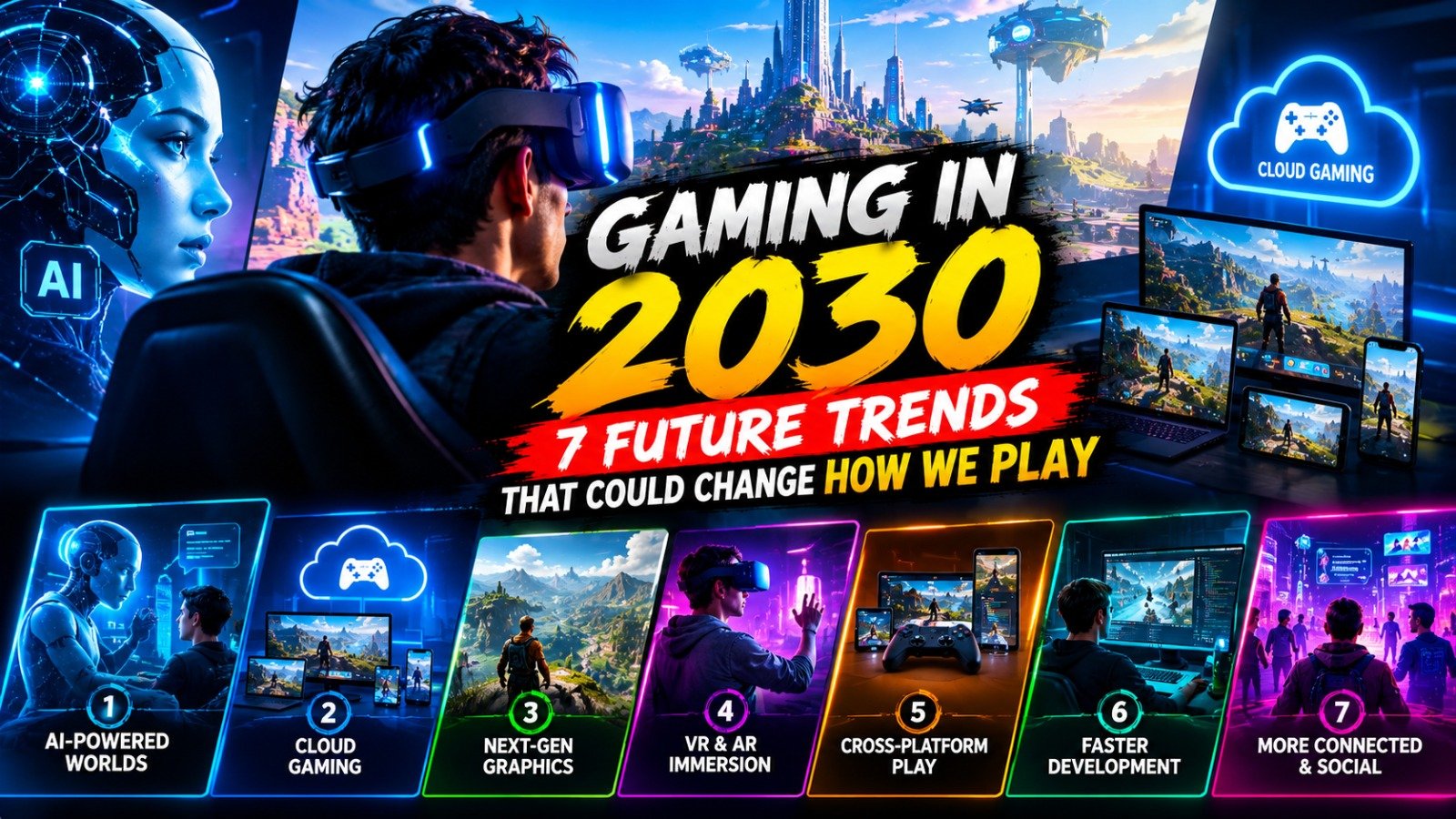
Gaming in 2030
Imagine starting a game on your television, continuing on your phone, and joining friends in a virtual world without needing an expensive gaming PC. By 2030, experiences like these could become more common as gaming technology continues to evolve.
The future of gaming will not depend on graphics alone. Artificial intelligence, cloud services, immersive hardware, and new ways to create games could change how players explore virtual worlds and interact with other people.
Although nobody can predict exactly what gaming will look like in 2030, today’s developments provide clues about the possibilities ahead.
AI Could Make Game Worlds More Dynamic

Artificial intelligence is already helping developers with tasks such as coding, animation, and content creation. By 2030, these tools could become more advanced and play a bigger role in how games are designed.
Non-playable characters, or NPCs, may respond more naturally to player decisions. Instead of repeating the same dialogue, some characters could react differently depending on previous conversations, relationships, and events.
AI could also help developers build environments and quests more efficiently. However, better AI will not automatically create better games. Strong storytelling, thoughtful design, and human creativity will remain important.
Cloud Gaming Could Reduce Hardware Barriers
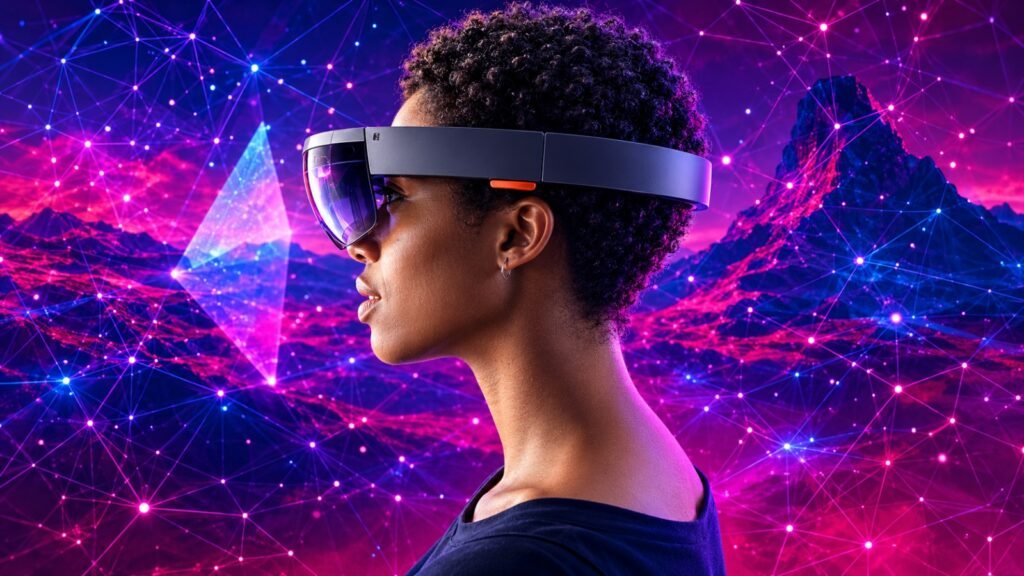
Cloud gaming allows supported games to run on remote servers while video and audio are streamed to a player’s device. Services such as Xbox Cloud Gaming and NVIDIA GeForce NOW already demonstrate this approach.
By 2030, improvements in internet infrastructure and streaming technology could make cloud gaming more accessible in additional regions. Players might be able to enjoy demanding games on compatible televisions, laptops, tablets, or phones without owning powerful hardware.
However, cloud gaming will still depend on internet quality, service availability, subscription costs, and regional infrastructure. Traditional consoles and gaming PCs are unlikely to disappear completely.
Graphics Could Become More Realistic
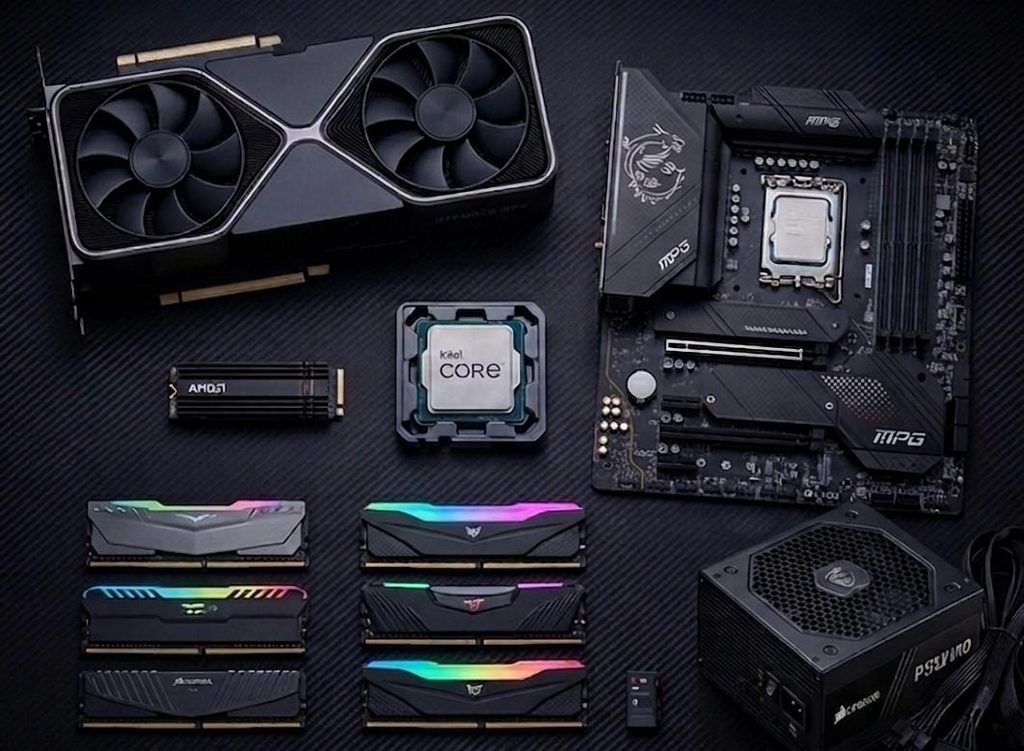
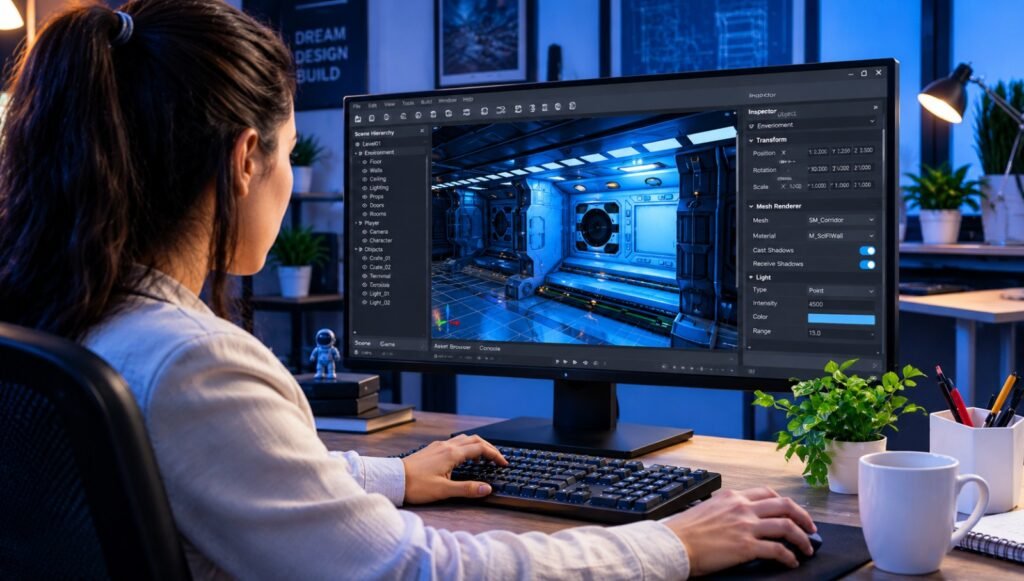
Future games may feature more detailed environments, realistic lighting, lifelike character animations, and increasingly sophisticated physics.
Advances in real-time ray tracing, AI-assisted rendering, and image upscaling could help developers create visually impressive worlds without relying entirely on raw hardware performance.
But realism is not the only goal. Some of the most memorable games use stylized art, imaginative environments, and distinctive visual designs. By 2030, gaming could offer an even wider range of visual experiences rather than making every game look realistic.
VR and AR Could Offer More Immersive Experiences
Virtual reality places players inside digital environments, while augmented reality combines digital elements with the real world.
By 2030, improvements in headset comfort, display quality, motion tracking, and wireless connectivity could make immersive gaming more appealing to a wider audience.
Players may experience more natural movement, interactive environments, and social spaces designed around virtual presence. Augmented reality could also create new ways to play in physical surroundings.
However, high hardware costs, comfort concerns, motion sickness, and limited game libraries may continue to affect adoption.
Cross-Platform Gaming Could Become the Standard
Players increasingly expect to enjoy games with friends regardless of which supported device they own. Cross-platform multiplayer, shared progression, and cloud saves are already helping make that possible.
By 2030, more games could offer smoother transitions between consoles, PCs, handheld devices, and cloud-supported platforms.
This could make gaming communities less dependent on individual hardware brands. Nevertheless, cross-play will still depend on developer decisions, technical compatibility, and platform policies.
Game Development Could Become Faster
Creating a major video game requires significant time, money, and teamwork. AI-assisted tools could help studios automate repetitive tasks, test game systems, generate early concepts, and support animation or coding workflows.
A 2025 Google Cloud report highlighted the growing use of generative AI among surveyed game developers, including support for coding and repetitive production tasks. This suggests that AI is already influencing development rather than being a distant possibility.
By 2030, smaller studios may have access to tools that previously required larger teams. Still, faster production does not guarantee originality, quality, or successful releases. Human oversight, testing, and creative direction will remain essential.
Gaming Could Become More Connected and Social
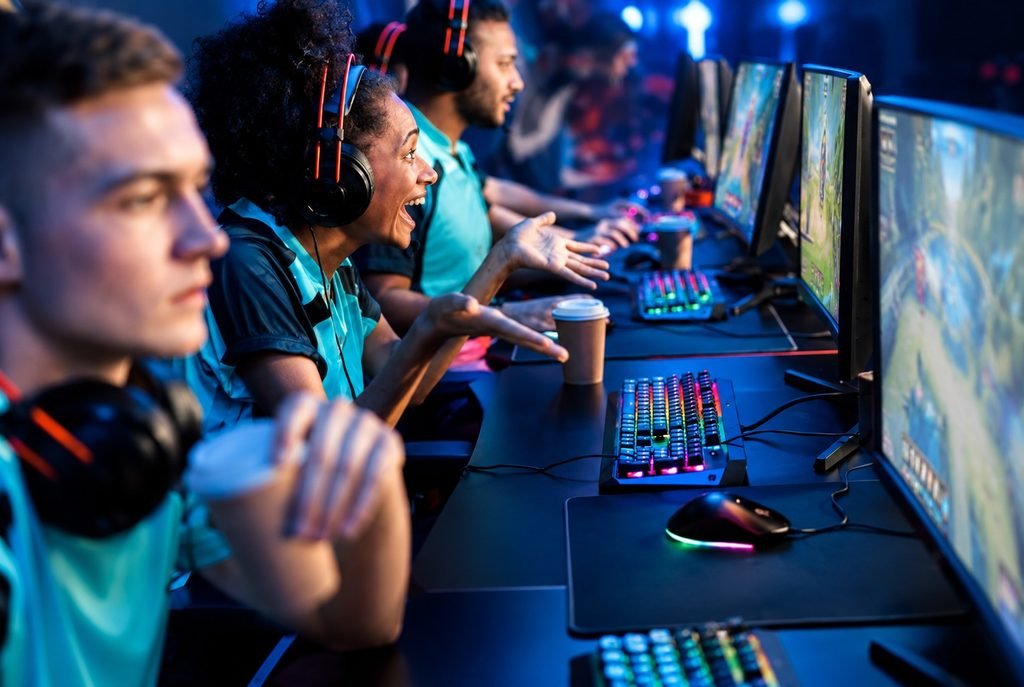
Gaming is already a social experience for millions of players. Multiplayer games, live events, streaming communities, and user-created content allow people to connect beyond traditional gameplay.
By 2030, shared virtual spaces could offer more interactive concerts, community events, player-created experiences, and persistent online worlds.
Developers may also introduce better tools for moderation, accessibility, and community management. These improvements will matter because toxic behavior, privacy concerns, and online safety can affect the quality of social gaming.
Will Gaming in 2030 Be Better Than Gaming Today?
The future could bring more accessible hardware, smarter virtual characters, richer worlds, and flexible ways to play. Yet challenges such as game prices, subscription fatigue, privacy, AI-generated content, and internet access will remain important.
The biggest change may not be a single revolutionary console or headset. It could be the combination of technologies that make games more personal, connected, and accessible.
Final thoughts: Gaming in 2030 could look very different from today, but its core purpose will remain the same: giving players memorable worlds, exciting challenges, and experiences worth sharing.
Table of Contents




Leave a Reply