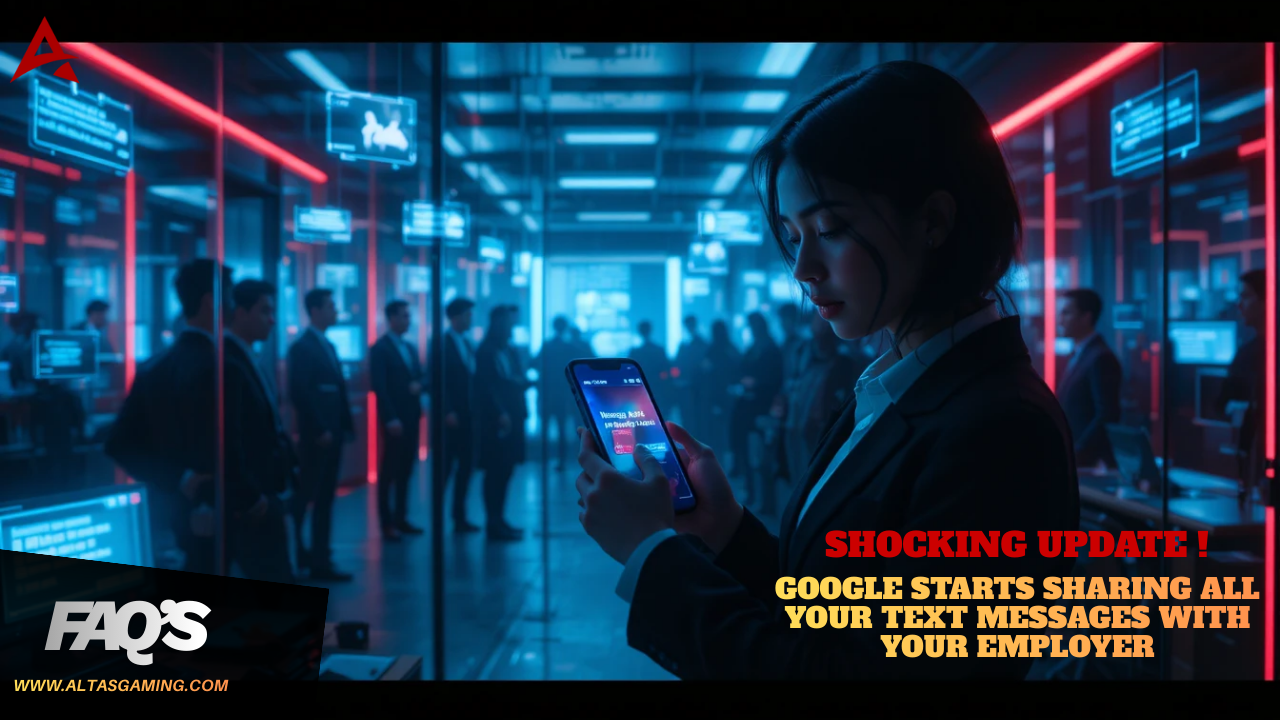
Google Starts Sharing All Your Text Messages With Your Employer The Glass Wall Between Personal Chats and Corporate Oversight
Description
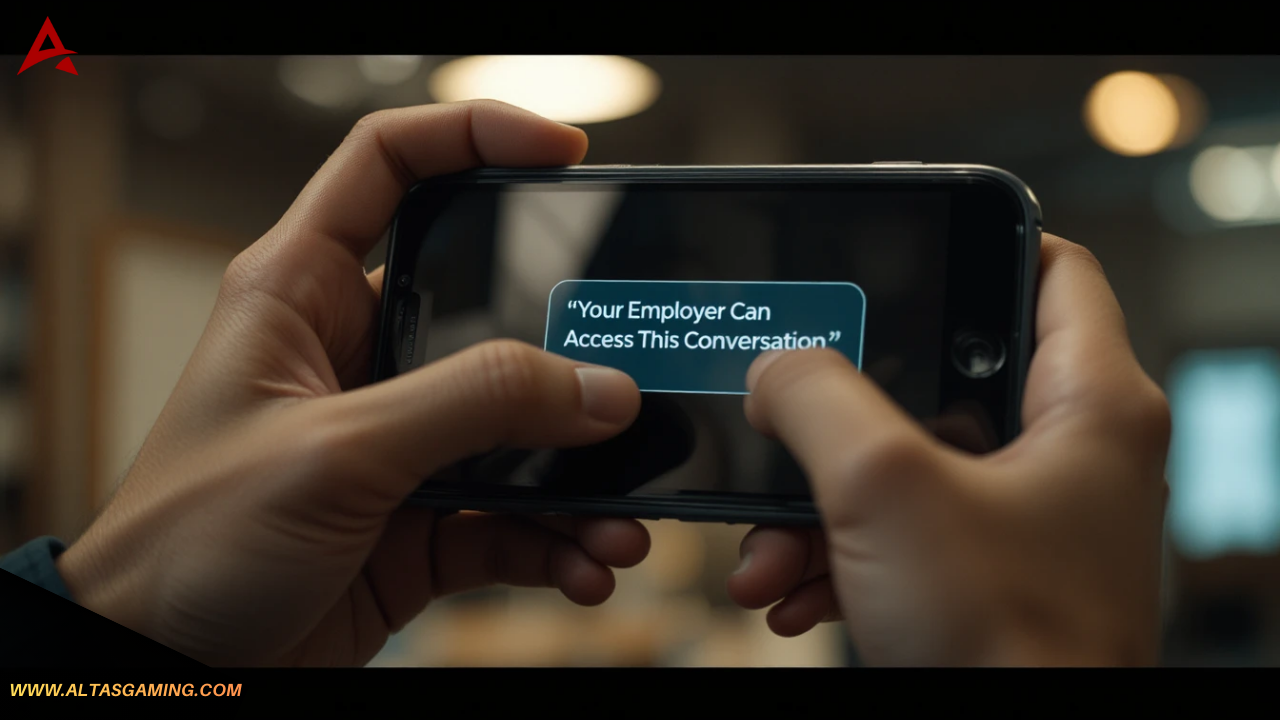
Google’s new RCS-archival policy enables employer access to messages on company-managed devices. Understand what this means for your privacy, when it applies, and how to protect yourself.
Introduction
A wave of concern has surged across workplaces and among Android users worldwide. According to recent reports, Google has updated its messaging policy: on employer-managed devices (particularly company-issued phones), all text messages including RCS chats and SMS may be accessible to your employer. (Forbes)
For many, this blurs the line between personal communication and workplace surveillance. The promise of portability and convenience of modern messaging is now colliding with fears over privacy, corporate oversight, and intrusive employer control. In this article, we break down exactly what changed, who’s affected, what it means for workers, and how to protect yourself plus Altas Opinion on the broader implications.
What’s Changed Google’s New Enterprise Messaging Policy
- On Android devices managed by employers (under enterprise/mobile-device-management frameworks), Google’s RCS Archival feature allows companies to log, archive, and in potentially some cases access text and chat messages sent via the official Google Messages app. (SlashGear)
- This functionality breaks with the traditional privacy expectation associated with messaging including prior assumptions of end-to-end encryption because messages are no longer “private” in the sense of being visible only to sender and receiver. (SlashGear)
- Importantly: the change applies only to employer-managed devices. Personal devices (that are not enrolled under corporate device-management policies) remain outside this surveillance framework their RCS chat is unaffected. (inkl)
In short: if your company gave you a phone and manages it, your “personal” and “private” messages may no longer be private.
Why This Is Raising Alarm
🔒 Privacy & Personal Space Has Blurred
Employees who use work-issued devices often keep them active even outside office hours. With the new policy, every text, RCS chat, and SMS could be logged and reviewed, meaning the boundary between personal life and work becomes dangerously thin.
👁️ Corporate Surveillance Becomes More Invasive
What was once limited to work emails or calls now potentially includes every personal conversation on a device increasing the scope and depth of corporate monitoring. This is effectively a form of modern “employee monitoring.” (Wikipedia)
⚠️ Employee Trust & Morale at Risk
Knowing your “private” messages may be readable by your employer can erode trust, lead to self-censorship, and create anxiety especially for those who switch between professional and personal life via the same device.
Who Is Affected And Who is Not
| User Type | Affected? | Why / Why Not |
|---|---|---|
| Employees using company-managed Android phones | ✅ Yes | Employer can enable RCS Archival for compliance/monitoring. |
| Employees using personal Android phones (not managed by employer) | ❌ No | Policy applies only to managed devices per official statements. (inkl) |
| Users of iPhone / non-Android or other messaging platforms | ❌ Unlikely | This Google-specific change applies to Android + Google Messages / RCS Archival. |
| Employers issuing company phones for business use (with consent) | ✅ They have capability | They “own” the device/data under enterprise device-management policies. |
What You Should Do Protecting Your Privacy
- Use personal devices for private messages avoid using employer-managed phones for anything outside strictly work-related communication.
- Check whether your device is “managed by organisation” Android lets you view device-management status in settings; if it shows corporate management, assume monitoring is active. (inkl)
- Use alternative messaging platforms for personal chats apps with end-to-end encryption that are independent of corporate device policies (but only on personal devices).
- Clarify company policy if you are given a work phone ask HR/IT whether message archiving is enabled, and whether personal usage is permitted.
- Consider using two separate phones one for work, one for personal use, to keep boundaries clear and private communications protected.
 ltas Opinion A Worrying Trend Toward Surveillance
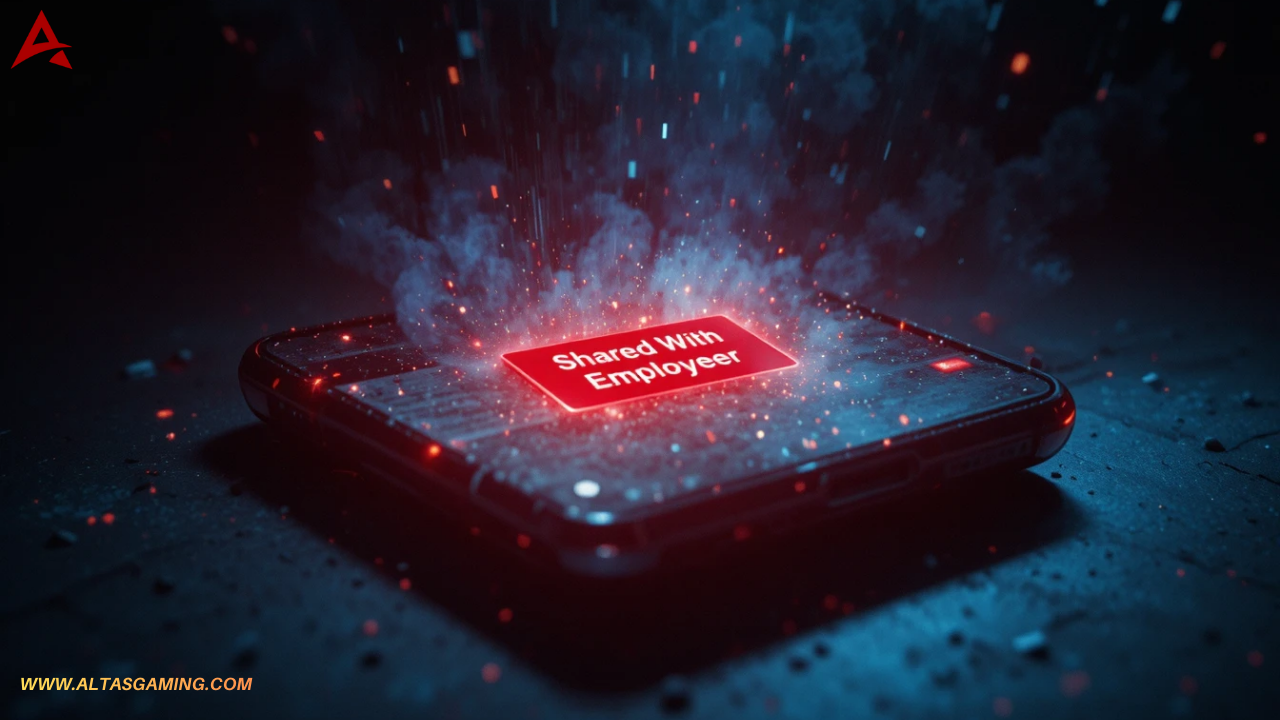
I believe this update marks a significant shift in the power balance between employer and employee. Historically, work-issued devices were primarily for work tasks calls, emails, official apps. But now, with messaging archives, employers have potential access to personal communication, blurring lines of privacy and autonomy.
Such a model might seem efficient for compliance or regulatory reasons (especially in sectors like finance, healthcare, or government). But for general knowledge workers, it represents an erosion of personal boundaries. I view this as a slippery slope: once “work phones” become “surveillance hubs,” the expectation of personal privacy effectively disappears.
Employers who insist on such monitoring risk damaging trust and employee morale. From a broader societal point of view, we need clearer regulation to protect personal communication especially in regions where worker rights and data privacy are weak or undefined.
FAQ’s.
Q1: Does this mean Google now shares every user’s personal texts with their boss by default?
A: No. The policy only applies to company-managed Android devices. Personal devices not enrolled under management remain private. (inkl)
Q2: Is my previous chat history accessible or only new messages going forward?
A: If archiving is enabled on a managed device, chat logs (past and future, depending on how the enterprise policy is configured) can be archived. It depends on when the device was enrolled and whether the company applied archival retroactively.
Q3: Does using e2e-encrypted apps (like Signal) keep me safe even on a managed device?
A: Potentially yes but only if those apps do not store logs externally accessible by device-management tools. Managed devices could still have surveillance software or screen-capture tools.
Q4: Can employers force me to use a managed device for work? What if I refuse?
A: Usually yes many companies require using company-issued devices for work duties. Refusing may jeopardize employment. However, labor laws and data-protection laws vary by country; some jurisdictions may offer protections.
Q5: Unique FAQ – Does this apply globally or only in certain countries?
A: The new feature is rolling out globally — but its application depends on whether your employer issues Android devices and enables enterprise-level archiving. Legal and regulatory protections will vary by country.
Q6: Unique FAQ – Could this lead to employers using personal message content for disciplinary actions?
A: Technically yes – if terms of employment or company policy allow message archiving, employers may review content. That raises serious privacy and ethical concerns.
Conclusion
The recent update from Google enabling employers to archive and access text messages on company-managed Android phones marks a significant escalation in workplace surveillance. While it may serve compliance or regulatory purposes, it also threatens employee privacy, trust, and personal boundaries.
Altas Opinion: Use personal devices for private communication. Question policies that blur work and personal spheres. And across geographies push for stronger legal protections that respect personal privacy, even on devices employers provide.
Table of Contents
- Iran War 2026 What Happened and Why Is It Important?
- Helldivers 2 Ultimate Survival Guide: Best Weapons, Builds, Missions & Pro Tips (2026)
- The PlayStation 6 – Everything Gamers Have Been Waiting For – Specs, Power, Features, and the Future of PS Gaming
- Global Crisis 2026 – The New World Order? How Nations Are Reshaping Global Power and Economy- What Happens After the Dollar Era?
- The Witcher 3: Wild Hunt – The Fantasy Masterpiece That Redefined Open-World RPGs

PNY NVIDIA GeForce RTX™ 5070 Epic-X™ ARGB OC Triple Fan, Graphics Card
Product Description
Get game-changing performance with the GeForce RTX™ 5070, powered by NVIDIA Blackwell. Game at high frame rates with DLSS 4, supercharge your creativity with NVIDIA Studio, and enable new experiences with the power of AI.
Product information
| Brand | PNY |
|---|---|
| Series | VCG507012TFXXPB1-O |
| Item model number | VCG507012TFXXPB1-O |
| Item Weight | 2.34 pounds |
| Color | Black |
| Manufacturer | PNY |
| ASIN | B0DYPGBX6J |
From the manufacturer


From the brand

-

Create, store, and game with PNY. Celebrating 40 years as a leading supplier of cutting-edge products designed for casual and professional gamers, creators, tech enthusiasts, and hobbyists. PNY’s gaming-visualization, photo/videography, mobility, and business solutions include NVIDIA GeForce GPUs, Flash Memory Cards, USB Flash Drives, Solid State Drives, and Computer Memory Modules, all made to deliver the ultimate user experience.
-

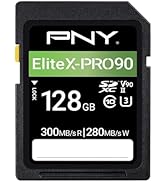
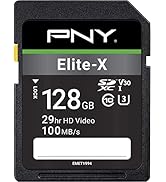
Flash Memory Cards
-

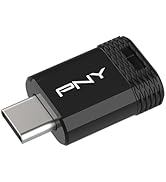
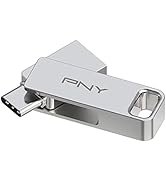
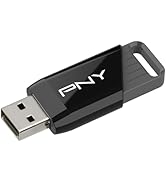
USB Flash Drives
Leave a Reply