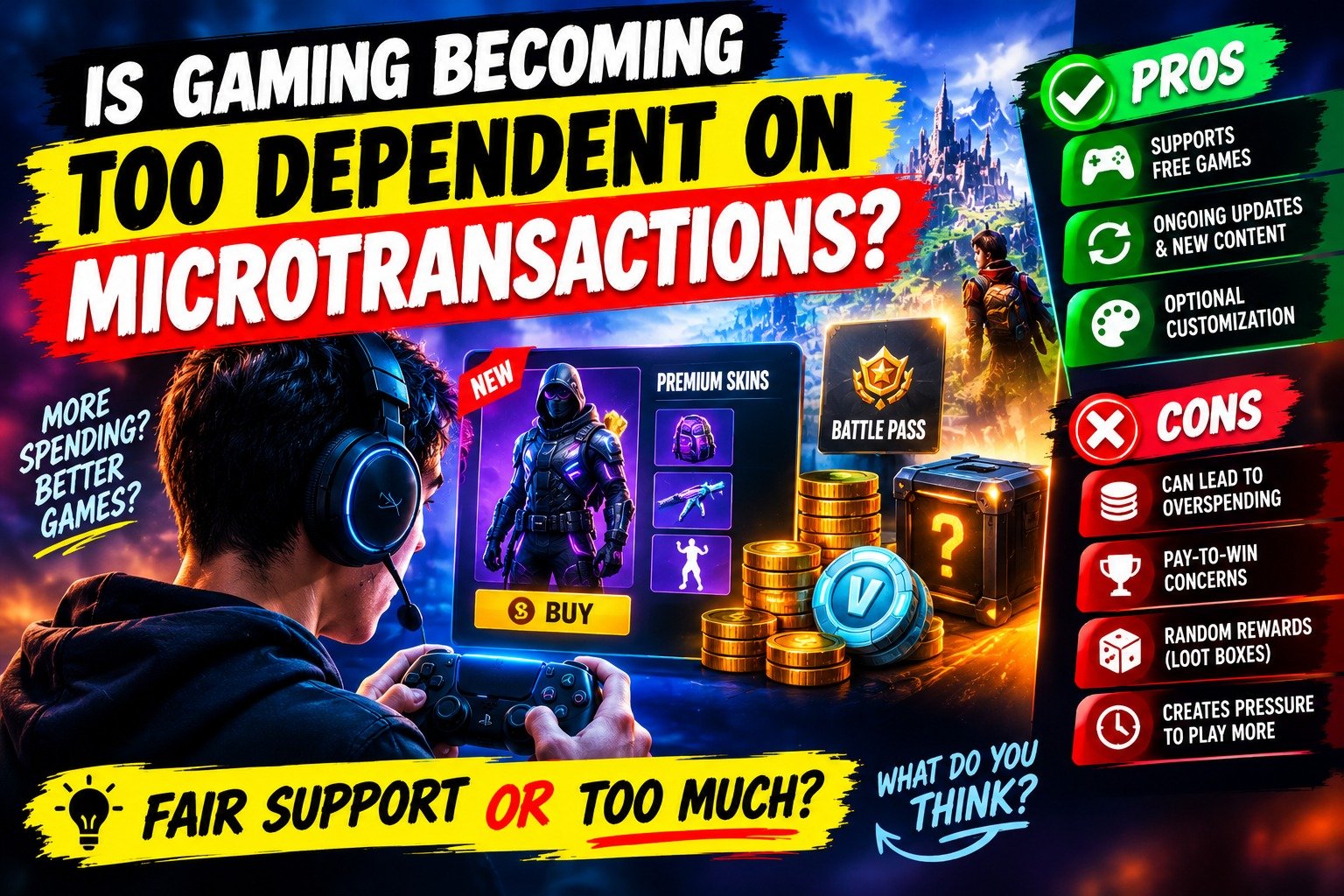
Microtransactions Affect Gamers and Game Developers
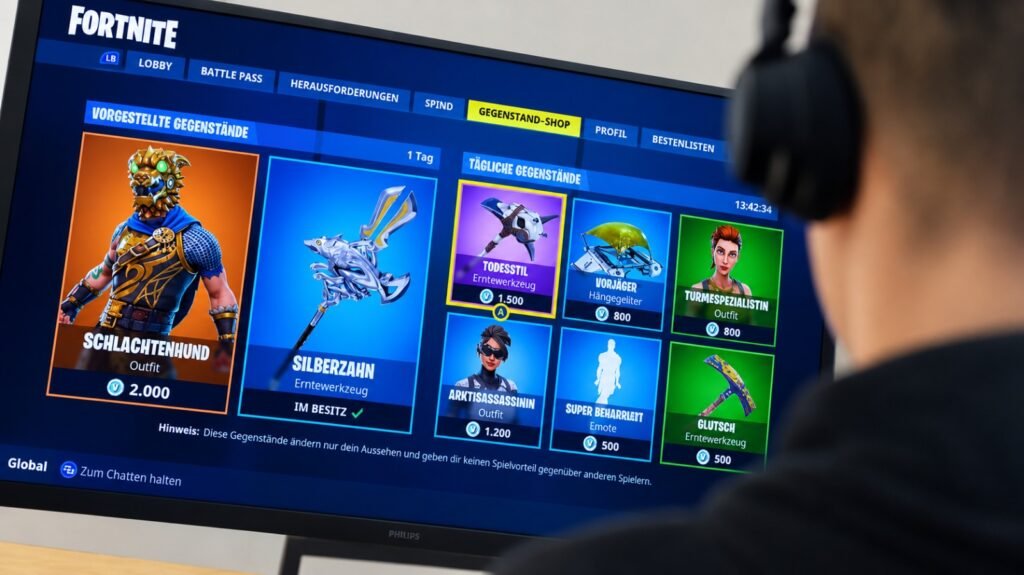
Gaming has changed dramatically over the years. Players once paid for a game and unlocked most of its content through gameplay. Today, many games offer additional purchases, including character skins, battle passes, virtual currency, premium upgrades, and random rewards.
These purchases are known as microtransactions, and they have become an important part of how many modern games make money. Some help developers support free-to-play games and provide ongoing updates. Others leave players questioning whether they are paying too much for content that could have been included in the original game.
So, is gaming becoming too dependent on microtransactions? The answer depends on how these purchases are designed and whether they improve the gaming experience or put unnecessary pressure on players to spend more.
What Are Microtransactions in Gaming?
Microtransactions are purchases made inside a video game, usually involving digital items or additional features. They can be found in mobile games, PC games, and console titles.
Common examples include:
- Cosmetic items: Character outfits, weapon skins, emotes, and visual effects.
- Battle passes: Paid progression systems that unlock rewards as players complete challenges.
- Virtual currency: Digital coins or tokens used to purchase in-game items.
- Gameplay advantages: Paid upgrades, boosts, or items that may help players progress faster.
- Loot boxes: Purchases that provide random rewards, meaning players may not know exactly what they will receive.
Not every microtransaction creates the same problem. A cosmetic skin that changes a character’s appearance is different from a paid upgrade that gives one player an advantage over others.

Understanding that difference is essential when discussing the future of gaming monetization.
Why Are Game Developers Using Microtransactions?
One reason is that modern games can continue generating revenue long after their initial release.
Instead of relying only on upfront game sales, developers can sell optional content, introduce seasonal events, and release new items over time. This model is particularly important for free-to-play games, which allow players to start without purchasing the game itself.
According to the US Federal Trade Commission, industry discussions around loot boxes have included the argument that in-game purchases can help support free games and reduce the need for higher upfront prices. The FTC has also highlighted concerns about unclear pricing and purchases that encourage players to spend more than intended.
For developers, recurring purchases can help fund servers, updates, new content, and ongoing support. However, the benefits depend on how the revenue is used and whether the game continues to provide value to its players.
When Do Microtransactions Become a Problem?
Microtransactions become more controversial when spending starts to affect fairness, progression, or the enjoyment of a game.
Pay-to-Win Mechanics
Pay-to-win systems allow players to purchase advantages that can significantly affect gameplay. Depending on the game, this might include stronger equipment, powerful upgrades, or shortcuts that free players cannot easily access.
These mechanics can frustrate players who prefer winning through skill, practice, and strategy. In competitive games, paid advantages may make matches feel less fair.
Cosmetic purchases generally raise different concerns because they change appearance rather than competitive performance.
Battle Pass Pressure
Battle passes often reward players for completing challenges within a limited period. They can provide a clear progression system and give regular players additional goals.
However, time-limited rewards can also create pressure to play frequently. Some players may feel that they must spend more time gaming to avoid losing access to rewards they have already paid to unlock.
A battle pass is more appealing when its rewards, duration, and requirements are clear and players can decide whether it suits their habits.
Random Rewards and Loot Boxes
Loot boxes offer rewards that are not fully known before purchase. Players might receive a common item when hoping for something rare.
This uncertainty can encourage repeated purchases, particularly when the desired reward has a low chance of appearing. The FTC has raised concerns about unclear odds, confusing virtual currency systems, and the potential impact on younger players.
In January 2025, the FTC announced a settlement involving Genshin Impact’s developer that addressed allegations concerning loot-box purchases, disclosures, and protections for children. The case demonstrates why transparency matters when games sell randomized rewards.
Small Purchases Adding Up
A single inexpensive purchase may not seem significant. But repeated spending on skins, currency, passes, and limited-time offers can add up over weeks or months.
Virtual currency can make it harder to recognize the real-world cost of an item, particularly when players buy currency in bundles rather than paying directly for each purchase.
Keeping track of spending helps players understand how much they are actually paying for their gaming habits.
Are Microtransactions Always Bad?
No. Microtransactions can offer benefits when they are optional, transparent, and fairly designed.
Free-to-play games give players a chance to try a game without paying an upfront price. Optional cosmetic purchases allow people to customize their characters without necessarily changing competitive balance. Paid expansions can also fund substantial new content.
For example, a player might enjoy a free multiplayer game for hundreds of hours without buying a single skin. Another player might choose to purchase cosmetics to support the developers or personalize their experience.
The problem is not simply that a game offers additional purchases. It is whether the business model makes spending feel necessary to enjoy the core game.
How Can Gamers Avoid Overspending?
Players can enjoy games while keeping microtransactions under control.
Set a spending limit. Decide how much you are comfortable spending each month and stick to it.
Check the real price. Convert virtual currency into its real-world cost before making a purchase.
Wait before buying. Limited-time offers can create urgency. Give yourself time to decide whether the item is genuinely worth the money.
Review battle passes carefully. Check the rewards, completion requirements, and expiration date before paying.
Use purchase controls. Password requirements, spending limits, and parental controls can help prevent unexpected purchases, especially on children’s accounts.
Prioritize gameplay over cosmetics. Remember that an attractive skin or rare item does not necessarily make a game more enjoyable.
Final Verdict: Is Gaming Too Dependent on Microtransactions?
Microtransactions are now an important part of many gaming business models, particularly free-to-play and live-service games. They can help developers maintain games and deliver new content, but poorly designed systems can create pressure to spend, undermine competitive fairness, or make costs difficult to track.
The key issue is balance. Players should be able to enjoy a game’s core experience without feeling forced to make additional purchases. Developers can build healthier relationships with their communities by offering clear prices, fair progression, transparent reward odds, and meaningful content.
As gaming continues to evolve, the challenge will be finding a balance between sustainable business models and player satisfaction.
What do you think? Are microtransactions a fair way to support game development, or are they becoming too common in modern gaming? Share your opinion with the Altas Gaming community.
Table of Contents

Leave a Reply