Create Account
Consoles Disappear
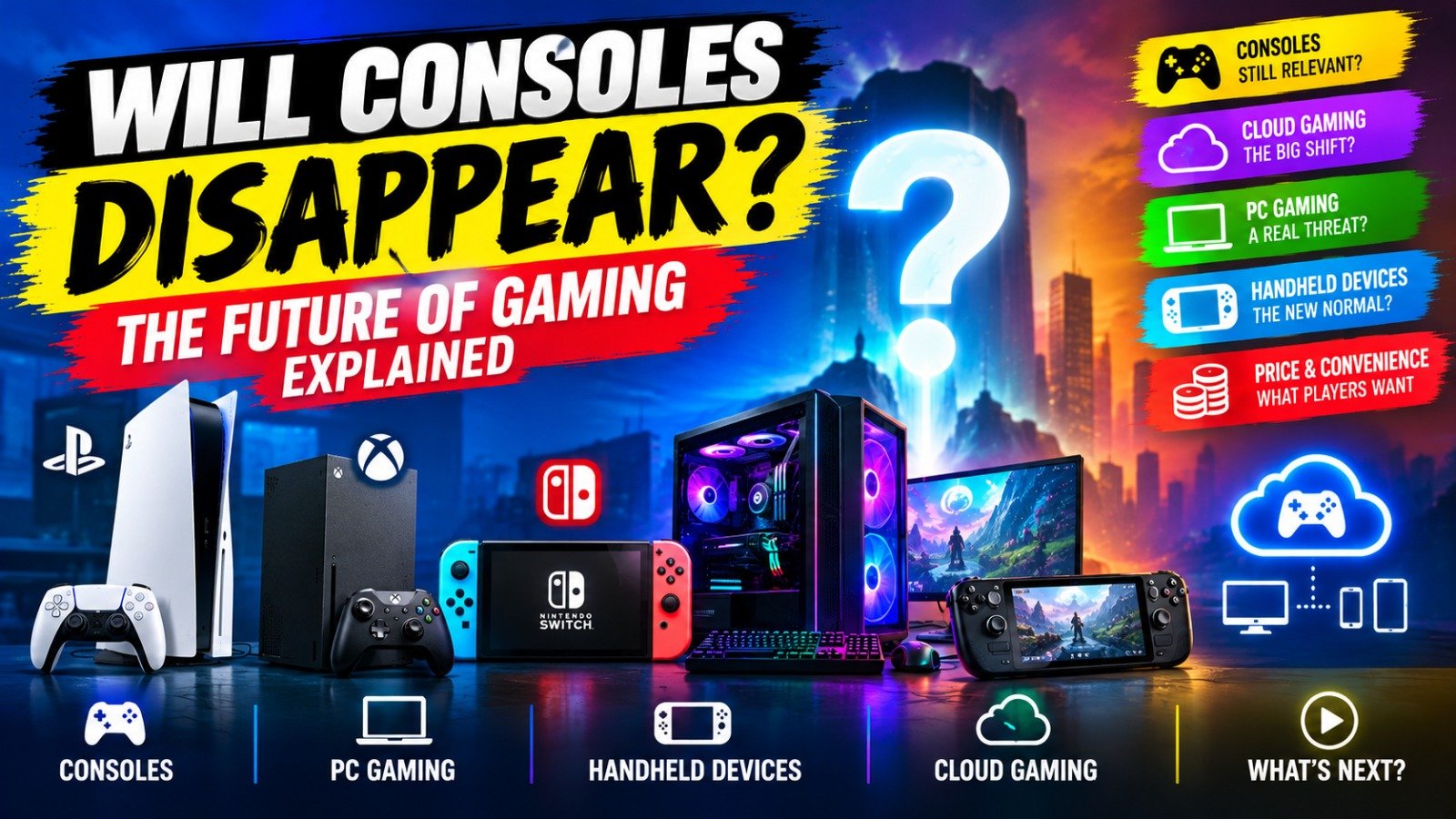
Gaming has changed dramatically over the past decade. Players can now enjoy major games on PCs, handheld devices, smartphones, and even televisions through cloud gaming services. With so many ways to play, one question keeps coming up: Will gaming consoles eventually disappear?
The idea is understandable. Cloud gaming reduces the need for powerful hardware at home, gaming PCs offer greater flexibility, and portable devices let players enjoy games outside the living room. At the same time, PlayStation, Xbox, and Nintendo continue to shape the gaming industry.
The most likely outcome is not the complete disappearance of consoles, but a gradual change in what a console can do and how players access their games.
Why Do People Think Consoles Will Disappear?
Traditional consoles follow a straightforward model. Players buy a dedicated device, purchase or download games, and connect the system to a television or monitor.
However, gaming is becoming less dependent on a single device. PC gaming continues to attract players who want customization, while handheld gaming makes larger game libraries more portable. Cloud gaming services also allow supported games to run on remote hardware and stream to compatible devices.
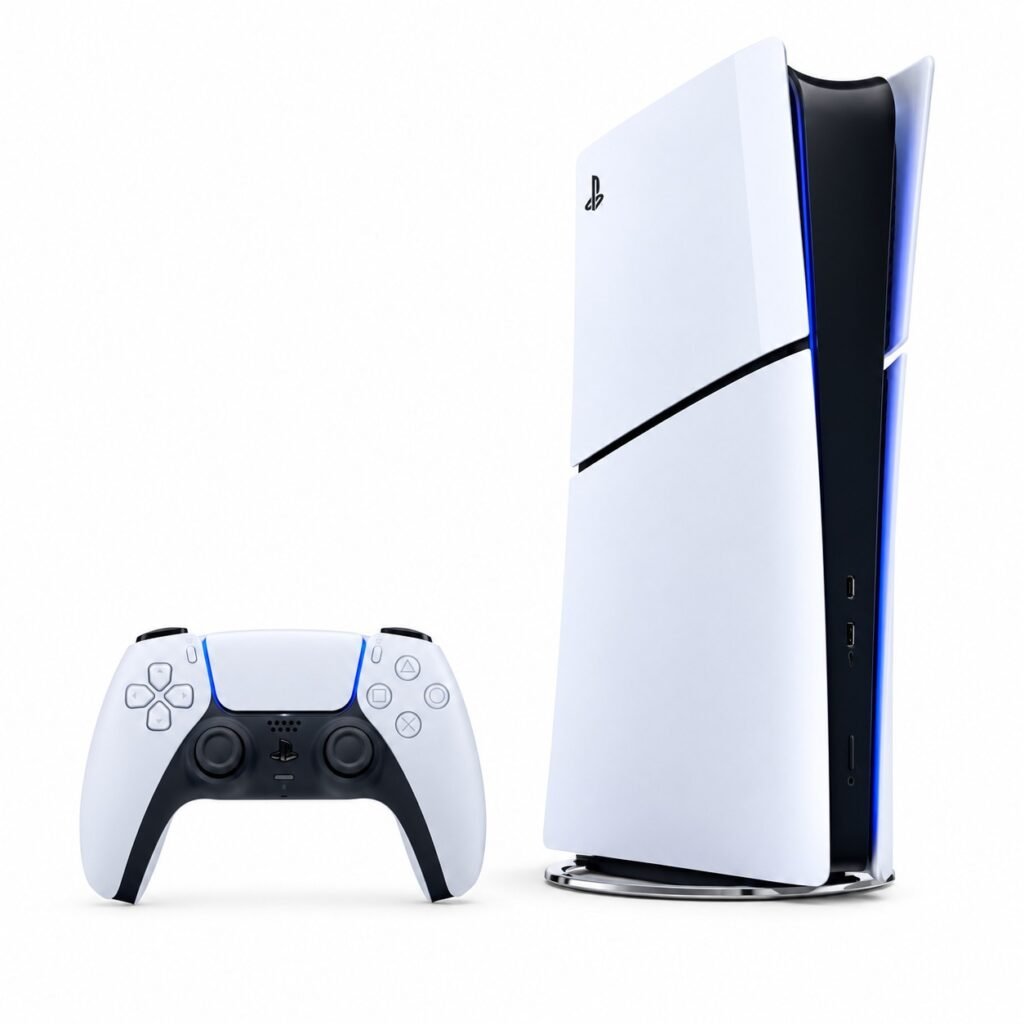
These changes raise an important question: if players can access games on devices they already own, why buy a separate console?
Convenience is part of the answer. Some players prefer using a laptop, tablet, or television instead of purchasing another device. Others value a dedicated gaming system because it offers a more straightforward experience.
The future will likely depend on which option provides the best combination of price, performance, game selection, and convenience.
Cloud Gaming Could Change the Console Market
Cloud gaming is one of the biggest developments influencing the future of gaming hardware. Instead of running a game entirely on local hardware, a cloud service processes the game remotely and streams the resulting video to the player.
Services such as Xbox Cloud Gaming and NVIDIA GeForce NOW demonstrate how this approach can expand access to games on supported devices.
Cloud gaming offers several potential advantages. Players may not need to upgrade their hardware as frequently, and they can access supported games across different screens. It can also reduce the barrier to entry for people who cannot afford a gaming PC or a new console.
However, cloud gaming has limitations. A reliable internet connection is essential, and latency can affect fast-paced games. Image quality depends on network conditions, while subscriptions, supported libraries, and regional availability can affect the experience.
For these reasons, cloud gaming is more likely to complement consoles in the near future than replace them completely.
PlayStation and Xbox Are Not Standing Still
The major console manufacturers are adapting to these changes rather than simply abandoning dedicated hardware.
Sony’s PlayStation business continues to demonstrate substantial demand for consoles. The company reported more than 95 million PS5 units sold into the market worldwide by June 30, 2026.
Microsoft has also confirmed that it is developing its next-generation Xbox, known as Project Helix. According to Xbox’s official announcement, the system is designed to play both Xbox console games and PC games.
That direction is significant. Future consoles could combine the convenience of a traditional living-room system with some of the flexibility associated with PC gaming.
Microsoft is also expanding its gaming ecosystem across consoles, computers, handheld devices, and cloud services. This suggests that the company’s strategy is increasingly about making its games accessible across different screens, not relying on one device alone.
These developments do not guarantee that every future console will succeed. They do show that dedicated gaming hardware remains part of the industry’s plans.
Will Gaming PCs Replace Consoles?
Gaming PCs already offer several advantages. Players can upgrade components, adjust graphics settings, use different control methods, and access a broad selection of games.
For competitive players and enthusiasts, this flexibility can make a PC attractive. A single computer can also serve purposes beyond gaming, including work, studying, streaming, and content creation.
However, PCs can be more complicated and expensive to configure. Players may need to consider component compatibility, drivers, upgrades, and troubleshooting. A console generally offers a more standardized experience, with developers designing games for a defined hardware target.
Neither option is automatically better for everyone. Some players prioritize flexibility and performance, while others want to sit down, pick up a controller, and start playing.
As long as these preferences remain different, consoles and gaming PCs can continue to coexist.
Will Handheld Gaming Replace Traditional Consoles?
Handheld gaming has become another important part of the industry. Devices such as the Nintendo Switch 2 and PC-based gaming handhelds allow players to enjoy games away from a television.
Portable systems combine convenience with dedicated gaming controls, making them appealing to people who travel frequently or share a television at home.
However, handheld devices also involve trade-offs. Battery life, screen size, cooling, and performance can limit what they deliver compared with larger systems. Some players still prefer the comfort of a large display and a dedicated home setup.
Rather than replacing every traditional console, handhelds may encourage manufacturers to offer more ways to access the same gaming ecosystem.
The Biggest Challenge Is Cost and Convenience
The future of consoles will not be determined by technology alone. Price matters just as much.
If dedicated hardware becomes too expensive, some players may turn to older systems, budget PCs, handheld devices, or cloud services. Rising component costs could also make it more difficult for manufacturers to offer powerful hardware at attractive prices.
On the other hand, a reasonably priced console with strong games, reliable performance, and a simple setup can remain appealing.
Game ownership is another consideration. Subscription services and digital libraries offer convenience, but players should understand access restrictions, service requirements, and what happens when a game leaves a subscription catalogue.
The companies that give players good value and convenient access to games will have an advantage, regardless of the hardware they sell.
What Will Consoles Look Like in 2030?
By 2030, gaming may be more connected across devices. A player could begin a game on a home system, continue on a handheld, and use cloud streaming when suitable hardware is unavailable.
Future consoles may also offer closer integration with PC libraries, cross-device saves, and more flexible ways to purchase or access games. These are plausible directions, not guarantees about what every manufacturer will deliver.
Dedicated hardware could remain important for players who want reliable local performance without depending on internet streaming. Meanwhile, cloud services and portable devices could expand gaming to people who do not want a traditional console.
Physical discs and dedicated consoles are also separate questions. The industry can shift toward digital distribution without eliminating the hardware used to play games.
The most realistic prediction is a gaming market with several connected ways to play rather than one technology replacing everything else.
Final Verdict: Will Consoles Disappear?
Gaming consoles are unlikely to disappear completely by 2030. Cloud gaming, handheld devices, and PCs will continue to influence how people access games, but dedicated hardware still offers advantages in convenience, performance, and simplicity.
The bigger change may be that the console becomes one part of a broader gaming ecosystem. Instead of competing only through hardware, companies may increasingly compete through game libraries, subscriptions, cross-device access, and online services.
For gamers, that could mean more choices. Whether you prefer PlayStation, Xbox, Nintendo, PC, or cloud gaming, the future is likely to be about finding the best way to play rather than choosing just one device.
Table of Contents