Create Account
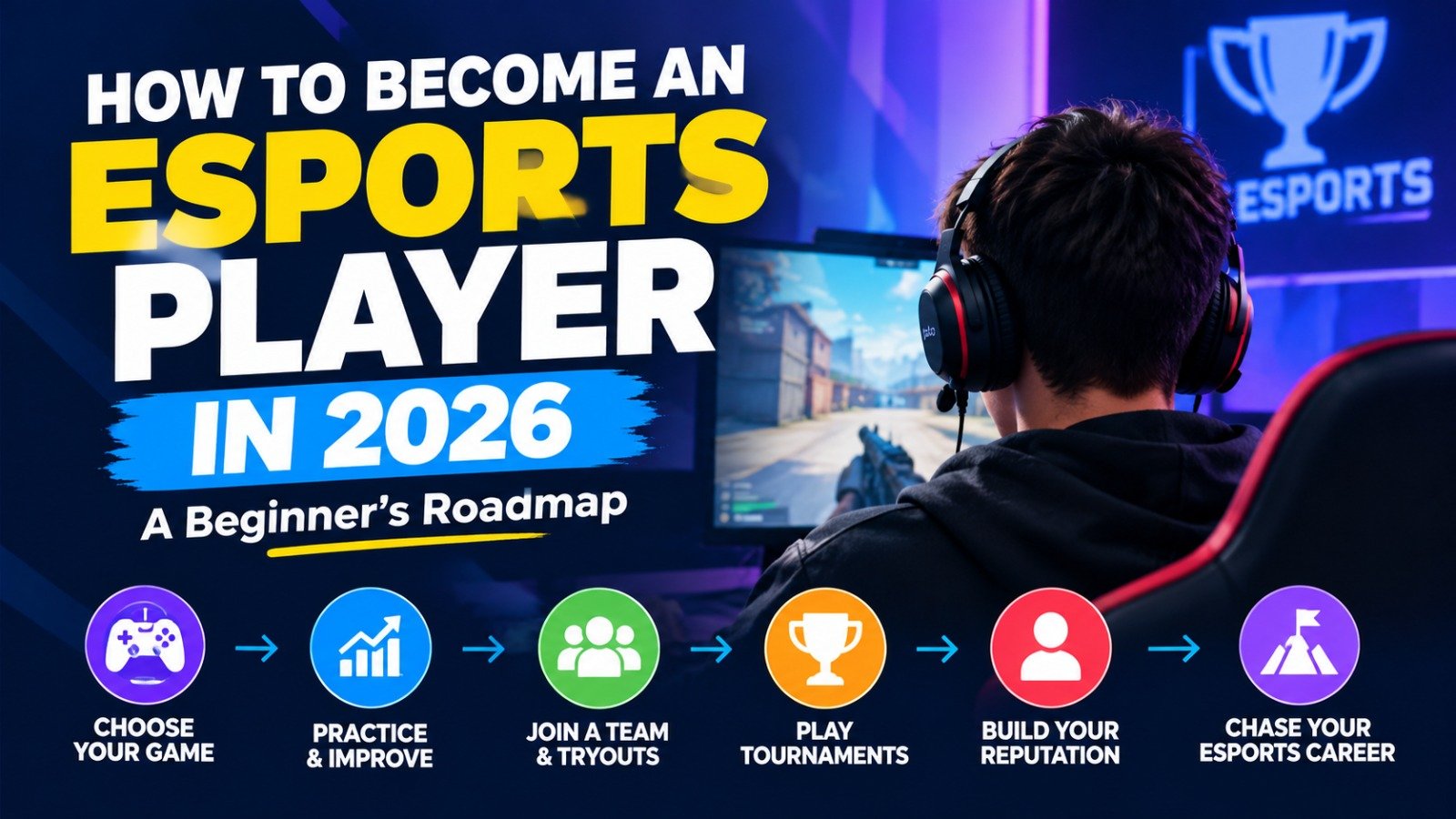
Esports Career Roadmap
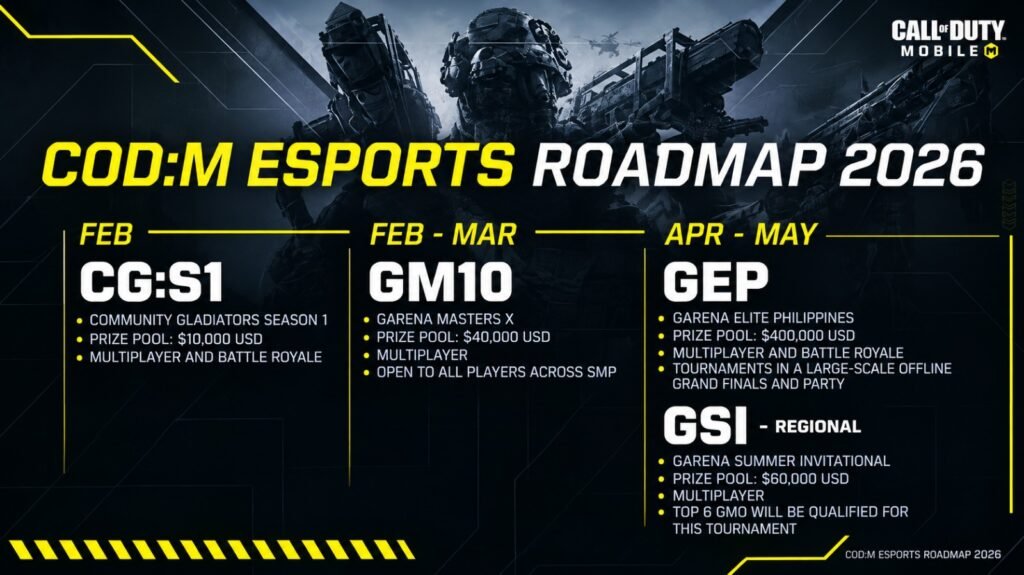
Becoming an esports player in 2026 takes more than playing video games for hours every day. Competitive gaming requires focused practice, strong game knowledge, teamwork, discipline and the ability to perform under pressure. For beginners, the first step is choosing a competitive game and developing the skills needed to participate in organized matches.
Professional esports offers opportunities across games such as VALORANT, Counter-Strike 2, League of Legends, Dota 2 and Fortnite. However, reaching the professional level is highly competitive, and most players will need to progress through ranked matches, amateur tournaments and team tryouts before attracting attention from established organizations.
Choose the Right Competitive

Start by selecting one game you genuinely enjoy and want to improve at over the long term. Competitive games have different requirements, so your choice should match your interests, available hardware and preferred playing style.
First-person shooters such as VALORANT and Counter-Strike 2 emphasize aiming, positioning, communication and quick decisions. Multiplayer online battle arena games such as League of Legends and Dota 2 require strategic thinking, teamwork and knowledge of different characters and roles.

Research the game’s competitive community, tournament structure and opportunities for beginners. An established esports title may offer more organized competitions, but it can also have a larger pool of experienced players to compete against.
Develop Your Skills Through Focused Practice
Once you choose a game, build a practice routine around specific weaknesses instead of simply playing match after match.
For example, an aspiring FPS player might work on aiming accuracy, movement, crosshair placement and map awareness. A MOBA player could focus on resource management, character abilities, decision-making and team coordination.
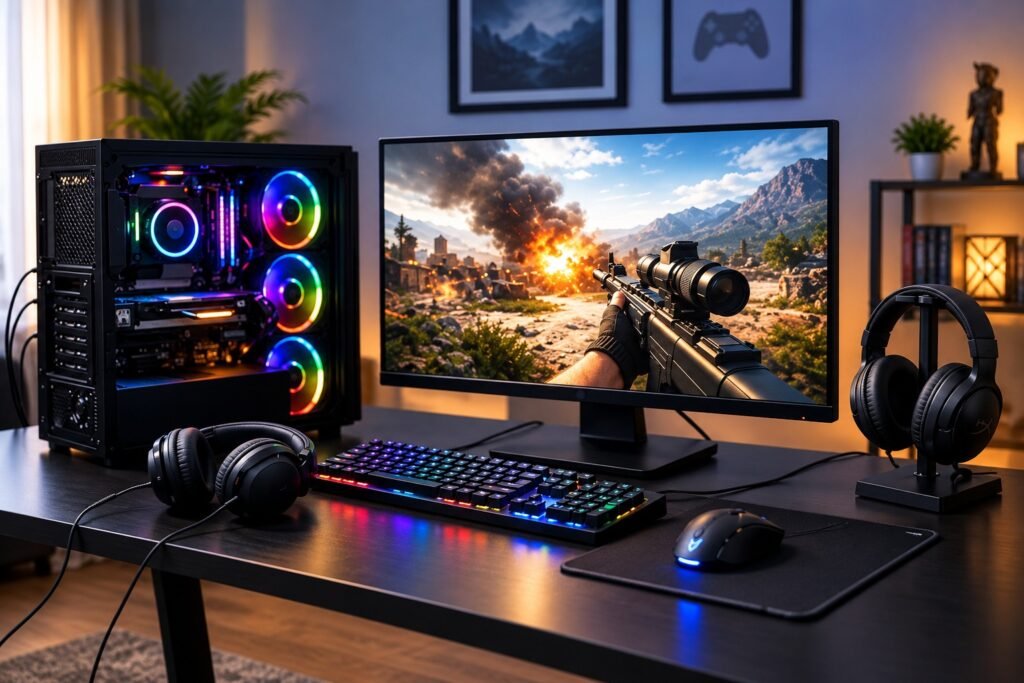
Professional gaming guide recommendations from Intel also emphasize practicing core mechanics, studying strategy and reviewing personal gameplay to identify mistakes.
A useful beginner routine is:
- 15 minutes of warm-up or mechanical practice.
- 45 minutes of focused ranked or competitive matches.
- 15 minutes reviewing mistakes and important decisions.
- 15 minutes studying skilled players or learning game strategies.
Adjust this schedule to your responsibilities and energy levels. Consistent, thoughtful practice is more valuable than exhausting yourself with unnecessarily long sessions.
Learn From Professional Players
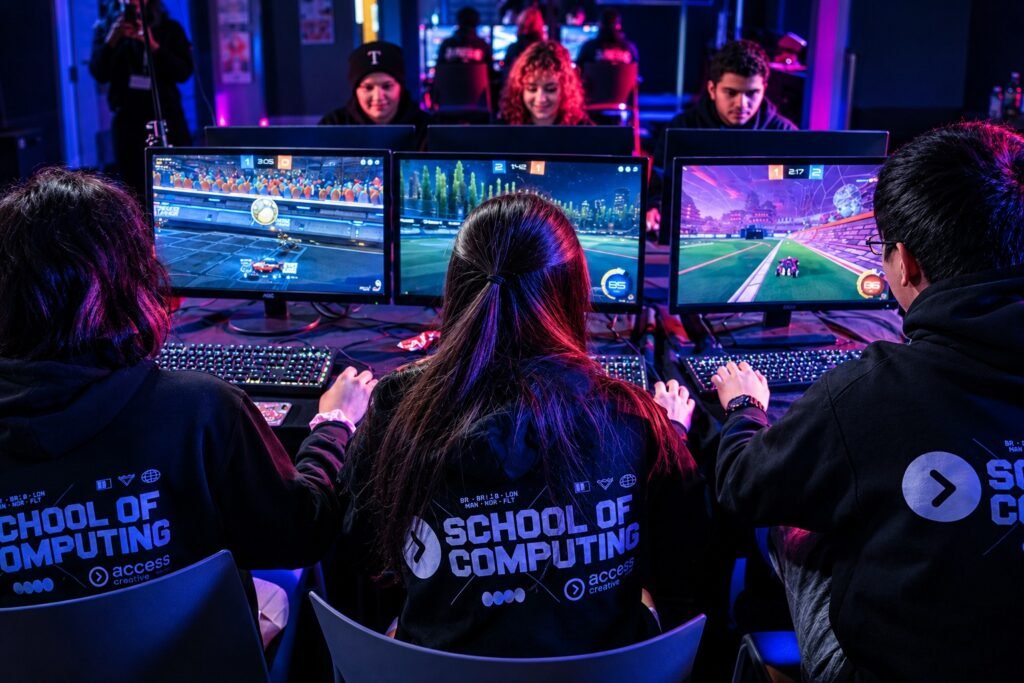
Watching professional matches can help beginners understand how experienced competitors approach the game. Pay attention to positioning, teamwork, resource management and decisions made when a match becomes difficult.
Avoid copying professional strategies without understanding their purpose. A tactic used by an experienced team may depend on precise communication, advanced mechanics or coordination that beginners have not developed yet.
After watching a match, choose one skill to practice. This makes professional gameplay a learning resource rather than simply entertainment.
Climb the Ranked Ladder
Ranked matchmaking is an important way to measure progress against other competitive players. It can reveal whether your skills are improving and help you identify the level of competition where you currently perform best.
Focus on consistency rather than reaching a particular rank immediately. Track your performance across several matches, paying attention to mistakes, teamwork and decision-making instead of only wins and losses.
A high rank can help demonstrate your ability, but it does not guarantee a professional contract. Team games require communication and coordination that individual ranked performance may not fully measure.
Join an Amateur Team
When you have developed your skills and gained experience in ranked matches, look for amateur teams or community groups that organize competitive games.
You can explore game-specific Discord communities, tournament communities and player recruitment platforms. Some teams advertise tryouts, while others welcome players who are willing to practice regularly and learn together.

For team-based esports, communication and reliability are just as important as individual skill. Be prepared to listen to feedback, understand your role and work with teammates whose playstyles may differ from yours.
Participate in Tournaments and Team Tryouts
Begin with smaller online tournaments, community competitions or open qualifiers where the entry requirements match your experience.
Before entering, check the tournament rules, eligibility requirements, registration deadlines and match schedules. Some competitions require a complete team, while others allow individual players to register and find teammates.
Team tryouts often involve more than a single match. Coaches or team managers may evaluate communication, consistency, decision-making and how well you respond to feedback.
Treat every competition as a learning opportunity. Even if you lose, reviewing your matches can help identify weaknesses that ranked games may not expose.
Build a Reputation in the Community
Competitive opportunities often develop through relationships with other players. Participate respectfully in game communities, communicate professionally with teammates and maintain a reputation for being dependable.
Keep a record of your competitive progress, including your current rank, tournament participation, team experience and notable achievements. A short gameplay portfolio or match highlights can help introduce your skills to potential teams.
Avoid paying anyone who promises a professional contract or guaranteed tournament earnings. Legitimate opportunities should have clear terms, identifiable organizers and verifiable competition details.
Understand the Realities of an Esports Career
Becoming a professional esports player is possible, but it is not a guaranteed career path. Competition is intense, organizations have limited roster positions and players may experience inconsistent earnings.
Training can also involve travel, team commitments, performance pressure and irregular schedules. Maintaining sleep, physical activity and time away from gaming is important for long-term performance.
Beginners should continue their education or other career development while pursuing competitive gaming. Skills such as coaching, video editing, content creation, tournament operations and game analysis can provide additional opportunities within the esports industry.
Final Verdict: What Should Beginners Do First?

The best way to begin an esports career in 2026 is to choose one competitive game, practice deliberately, measure your progress and gradually enter organized competition.
Do not rush to join a professional organization before developing the skills and experience needed to compete consistently. Start with ranked matches and amateur teams, learn from losses and take tryouts seriously when suitable opportunities appear.
Esports can be an exciting competitive pursuit, but professional success requires patience and realistic expectations. Focus on becoming a better player first, and let your competitive experience guide your next step.
Table of Contents