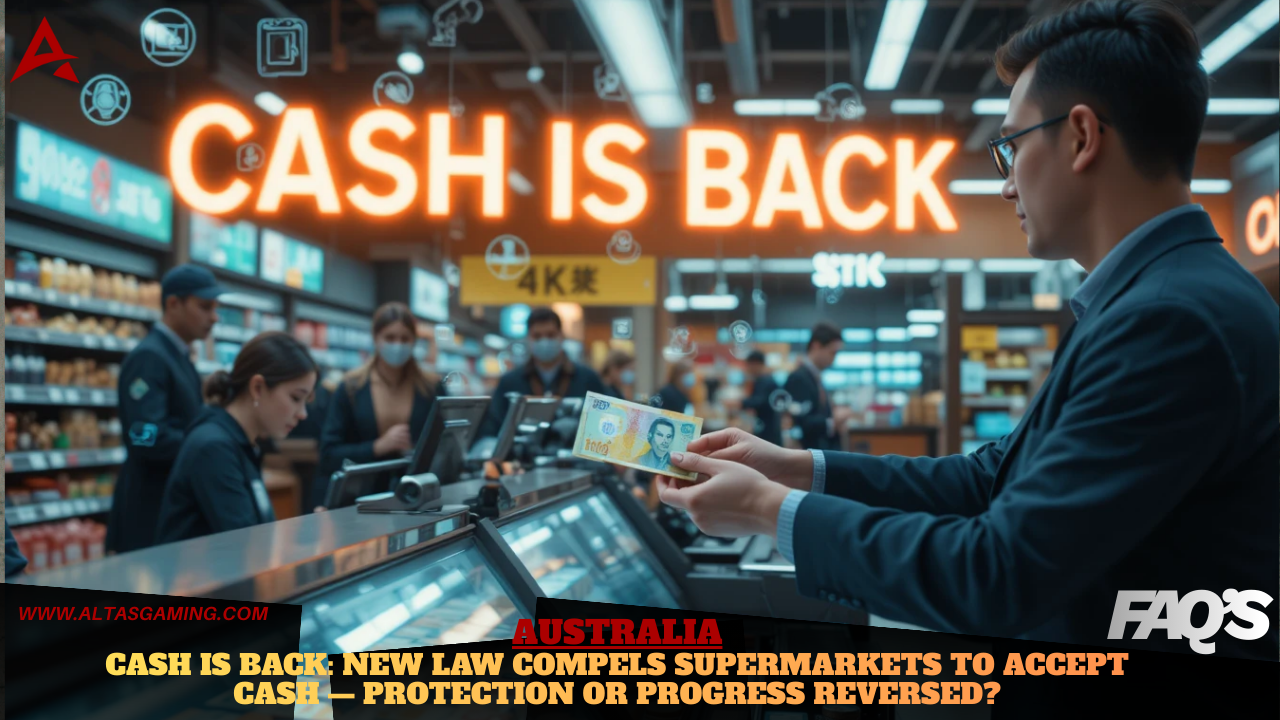
Australia Brings Back Cash Woolworths & Coles Forced to Accept Cash From January 2026 Relief or Regression?

Australia is heading into one of its biggest payment system shake-ups in decades. From January 1, 2026, major supermarkets like Woolworths and Coles, along with fuel stations, will be legally required to accept cash payments for essential goods a major reversal after years of aggressive digital-only payment trends.
The new law mandates that cash must be accepted for transactions of $500 or less, ensuring Australians retain access to physical money when buying groceries or fuel.
Supporters call it essential protection for vulnerable communities. Critics argue it’s a step backward in a digital economy. Either way, the change will affect millions of Australians.
What the New Cash Law Actually Says
Under the new federal mandate:
- Cash acceptance becomes compulsory for:
- Supermarkets (Woolworths, Coles, independents)
- Petrol stations / service stations
- Applies to essential items
- Transaction cap: $500 or less
- Effective date: January 1, 2026
- Businesses cannot refuse cash within the limit
This law is part of a broader effort to protect consumer choice, especially as cash usage has sharply declined across Australia.
Why Is Australia Forcing Supermarkets to Accept Cash Again?
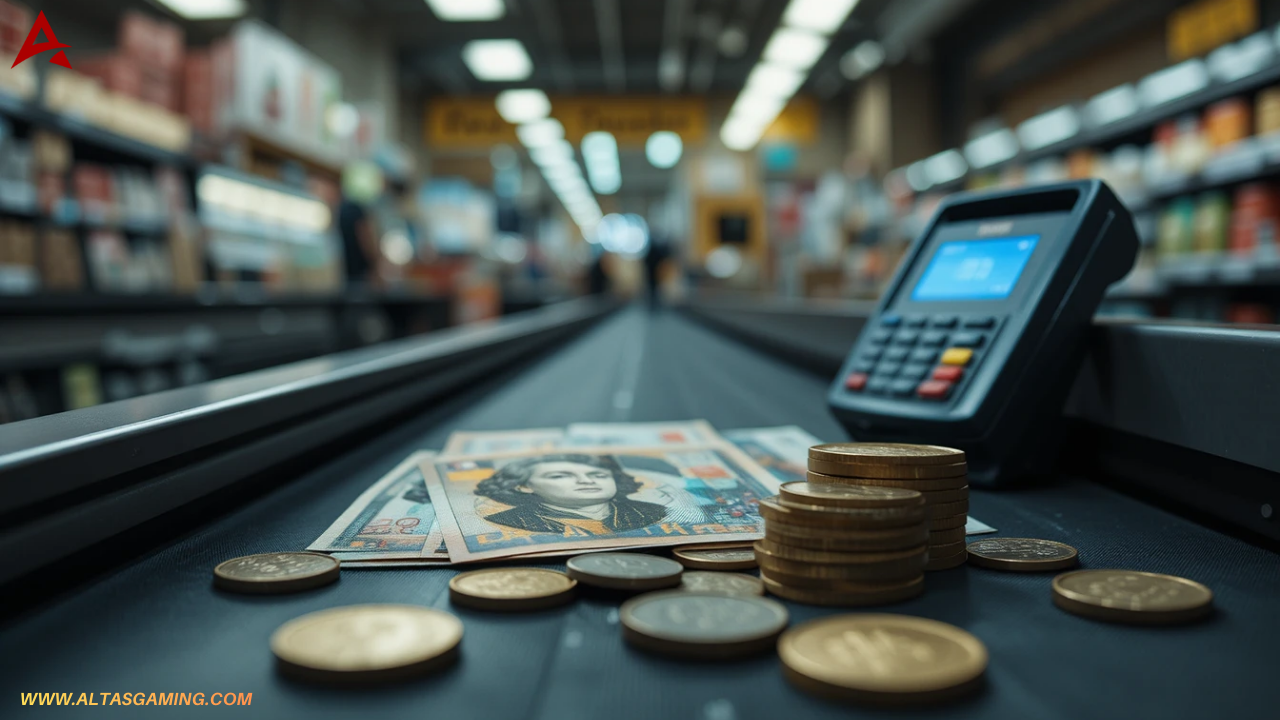
1. Cash Is Still Critical for Millions
Despite digital growth, many Australians still rely on cash:
- Elderly citizens
- Rural and remote communities
- Low-income households
- People without stable access to banking or smartphones
A fully cashless system risks excluding these groups from basic necessities.
2. System Failures & Cyber Risks
Recent payment outages and cyber incidents exposed the fragility of digital-only systems. When card networks fail, cash becomes the only working option.
3. Rising Public Pressure
Consumer backlash against “card-only” stores has intensified, especially when buying essential goods like food and fuel.
What Changes for Woolworths, Coles & Petrol Stations?
Operational Adjustments
Retailers must:
- Maintain cash registers
- Ensure staff can handle cash safely
- Store and transport physical money
- Absorb higher handling and security costs
For businesses pushing digital efficiency, this is a logistical and financial step backward.
How This Impacts Shoppers
Positive Effects
- Guaranteed access to essentials
- No forced card usage
- Protection during system outages
- Financial privacy preserved
Potential Downsides
- Slower checkout times
- Possible reduction in digital incentives
- Higher operational costs passed indirectly to consumers
Is This a Global Trend or an Australian Exception?
Australia is not alone.
Several countries including Germany, Japan, and parts of the EU still protect cash as legal tender, especially for essential purchases. Australia’s move signals a rebalancing, not a rejection of digital payments.
 ltas Opinion A Necessary Safety Net Not a War on Digital Payments
At Altas, we see this law as defensive policy, not nostalgia.
Cash acceptance is no longer about preference it’s about resilience.
A modern economy should support:
- Digital convenience and
- Physical fallback systems
Forcing essential retailers to accept cash doesn’t kill innovation it protects stability.
However, the $500 cap is smart. It prevents abuse while ensuring daily needs are covered. This is not anti-tech it’s pro-access.
Will This Slow Australia’s Move Toward a Cashless Society?
Not significantly.
Digital payments will continue to dominate. This law simply ensures:
- No one is locked out
- No monopoly over how Australians pay
- Cash remains a backup, not a replacement
What Happens If Retailers Refuse Cash?
Businesses that fail to comply may face:
- Regulatory penalties
- Consumer complaints
- Enforcement actions after January 2026
FAQ’s
1. Can stores charge extra fees for cash handling?
No. Charging a surcharge specifically for cash acceptance would violate consumer fairness principles under the law.
2. Will self-checkout machines have to accept cash?
Not necessarily. However, stores must provide at least one cash-accepting option.
3. Does this apply to online grocery orders?
No. The mandate applies only to in-person transactions.
4. Could the $500 limit change in the future?
Yes. The threshold may be reviewed depending on inflation and economic conditions.
5. Does this protect ATMs from disappearing?
Indirectly, yes. Cash acceptance increases demand for ATM access and cash infrastructure.
6. Are small corner stores included?
Only if they sell essential goods and operate above regulatory thresholds.
Final Thoughts Progress With a Parachute
Australia isn’t rejecting digital payments it’s adding a safety net.
By mandating cash acceptance for essential purchases, the government is acknowledging a simple truth: technology should serve people, not exclude them.
From January 2026, cash won’t be king again but it won’t be extinct either.
And that balance may be exactly what a resilient economy needs.
Table of Contents
- Is World War 3 coming Iran–Israel–USA Conflict 2026 The Complete Story, Hidden Tensions, and What Could Happen Next
- Taiwan Invasion by 2027 – But the Real War for AI, Chips, and Global Power Has Already Begun
- Resident Evil Requiem Becomes 2026’s Highest-Rated Game – A Survival Horror Masterpiece or an Overhyped Sequel That Loses Steam?
- Black Ops 7 Sets a New Standard for Tactical FPS Combat – But Controversy and Matchmaking Frustrations Spark Debate
- Ghostrunner 2 Free on Epic Games, A Cyberpunk Masterpiece of Relentless Action – or a Brutally Punishing Game That’s Too Hard to Love?
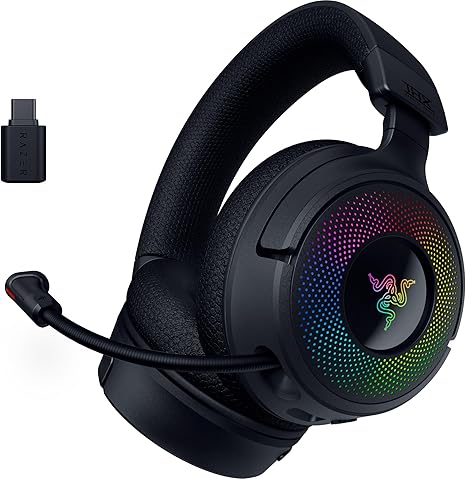
Razer Kraken V4
| Brand | Razer |
| Manufacturer | Razer |
| Color | Black |
| Material | Leather |
| Headphones Jack | 3.5 mm Jack, USB Type A |
Leave a Reply