
Chernobyls protective shield is damaged! What that means?
- The UN nuclear watchdog (IAEA) inspected the Chernobyl site and concluded the New Safe Confinement (NSC) that covers Reactor 4 was degraded by a drone strike earlier in 2025 and has “lost its primary safety functions, including the confinement capability.”
- Despite structural and cladding damage, the IAEA found no immediate radiation leaks and said load-bearing elements and monitoring systems remain intact. Radiation measurements reported at the time of inspection were within normal ranges.
- The IAEA and partners stress that timely, comprehensive restoration is essential temporary repairs have been made but full renovation is required to prevent long-term deterioration and restore the NSC’s containment role.
What was damaged and when
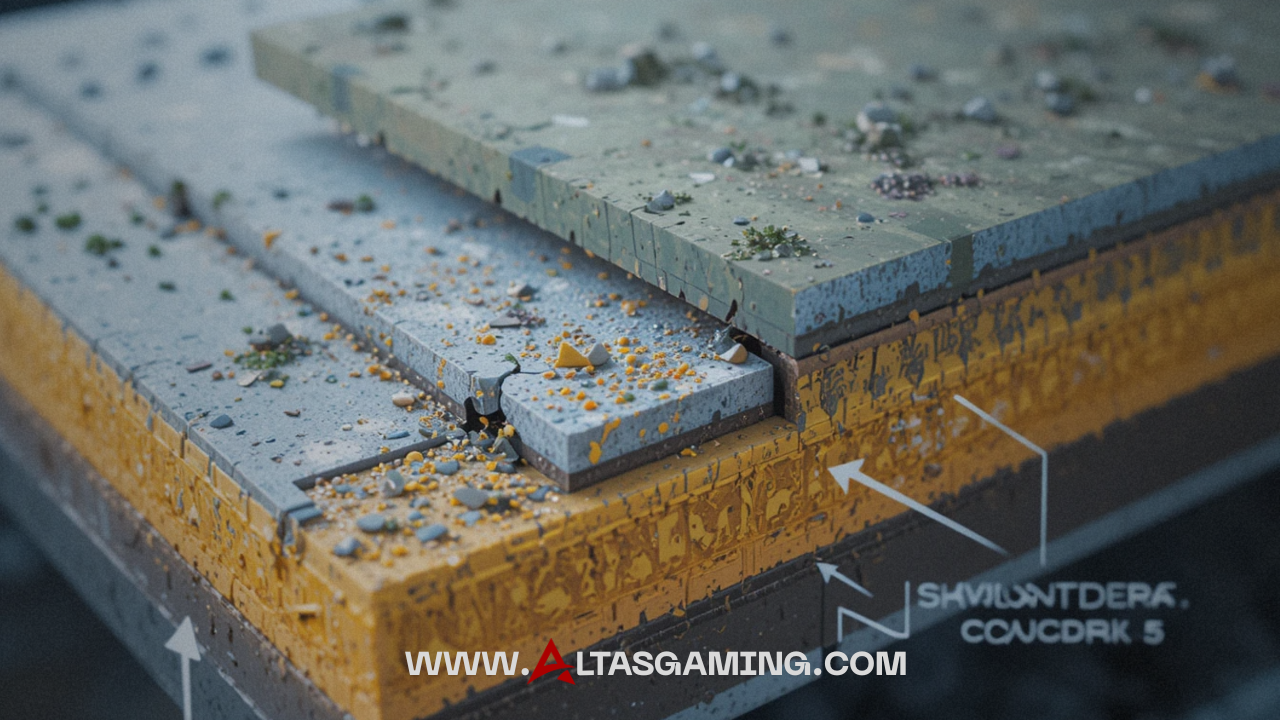
The structure affected is the New Safe Confinement (NSC) a giant steel “sarcophagus” completed in 2019 and designed to seal in radioactive materials left by the 1986 disaster. According to IAEA reporting and the agency’s Director-General statement, the NSC’s outer cladding was burned and the structure degraded by a drone impact in February 2025, an attack Ukraine has attributed to Russian forces (which Moscow denies). The IAEA’s assessment found the NSC had “lost its primary safety functions, including the confinement capability.” IAEA+1
Why the NSC matters
- The NSC was built to prevent release of radioactive dust and to enable eventual dismantling of the reactor’s damaged core and legacy waste. It provides confinement of contaminated debris, 2) weather protection, and 3) a controlled environment for safe decommissioning works.
- The outer cladding and inner sealing systems are part of that confinement. Damage to cladding or penetration of the envelope reduces the structure’s ability to keep contaminated dust and moisture controlled, and it can accelerate corrosion if left impaired. Loss of “primary safety functions” therefore raises long-term containment and maintenance concerns even when short-term radiation levels remain stable.
Radiation readings stable now, but why “no leak” doesn’t mean “no risk”
IAEA inspections have so far recorded stable ambient radiation levels and no detected release of radioactive material into the environment. That is crucial and reassuring in the short term. However, experts emphasize two points
- Confinement capability vs. current radiological state The NSC’s role is preventive it prevents future releases and stops environmental factors (rain, wind, corrosion) from worsening the legacy waste. Even if radiation is stable today, a structure that can no longer guarantee confinement exposes the site to higher long-term risk.
- Degradation accelerants Damage to outer cladding and protective coatings can allow moisture ingress and accelerate corrosion of internal systems, which over years could increase chances of localized failures and material mobilization if not comprehensively repaired. That’s why the IAEA calls for major renovation, not just patchwork fixes.
Timeline & status of repairs
- Drone strike February 2025 (IAEA reports cite the February impact).
- Temporary repairs: Local teams carried out emergency, limited repairs soon after the strike to stabilise immediate vulnerabilities. The IAEA notes these are not sufficient for long-term safety and comprehensive restoration is necessary.
- Planned work International partners and financing bodies (the EBRD and others historically involved in Chernobyl projects) have been referenced in reporting as committed to funding and supporting renovation steps; timelines point to preparatory works and more substantive repairs planned for 2026 and beyond, subject to access and security.
What the IAEA said Director-General’s view
In its Update (IAEA Director-General statement on the situation in Ukraine), the agency described the inspection results, noted the loss of primary safety functions of the NSC, and highlighted that load-bearing elements and monitoring systems were not permanently damaged a detail that leaves open the possibility of full restoration if timely action is taken. The agency committed to supporting Ukraine’s remediation efforts and urged immediate, comprehensive restoration planning.
Practical implications public safety, environment, geopolitics
- Public health No immediate public health emergency was detected. Radiation at the site and in surrounding areas remains within reported normal levels per the IAEA’s measurements. Still, sustained monitoring is required.
- Environment The long-term environmental risk grows if the NSC remains degraded particularly through corrosion, moisture ingress, and potential windborne dust mobilization over time.
- Geopolitics & security The incident underlines how active conflict can impact nuclear legacy sites and infrastructure. It heightens the diplomatic urgency for protecting nuclear sites during hostilities and raises questions about access for engineers and inspectors in contested areas. The IAEA’s neutral technical role becomes politically sensitive but essential.
What needs to happen next
- Comprehensive engineering survey and restoration plan beyond temporary patches: moisture control, corrosion mitigation, replacement of compromised cladding, and possible strengthening of inner containment features.
- Secured, sustained international funding and technical assistance the scale and specialty of works require financing and multi-institutional expertise.
- Unfettered, repeated inspections and monitoring by IAEA teams to provide independent, transparent updates on radiological data and structural integrity.
- Contingency plans for worst-case localized scenarios (e.g., extreme weather plus structural degradation) so authorities can act if monitoring shows adverse trends.
 ltas Opinion
At Altas Gaming, we believe the latest reports from the IAEA about damage to the Chernobyl (Chornobyl) protective shield mark a critical turning point in how the world understands nuclear security during modern conflict. While the official statements remain cautious, the implications are far deeper and far more concerning than what headlines capture.
1. Drone Warfare Has Changed the Risk Equation
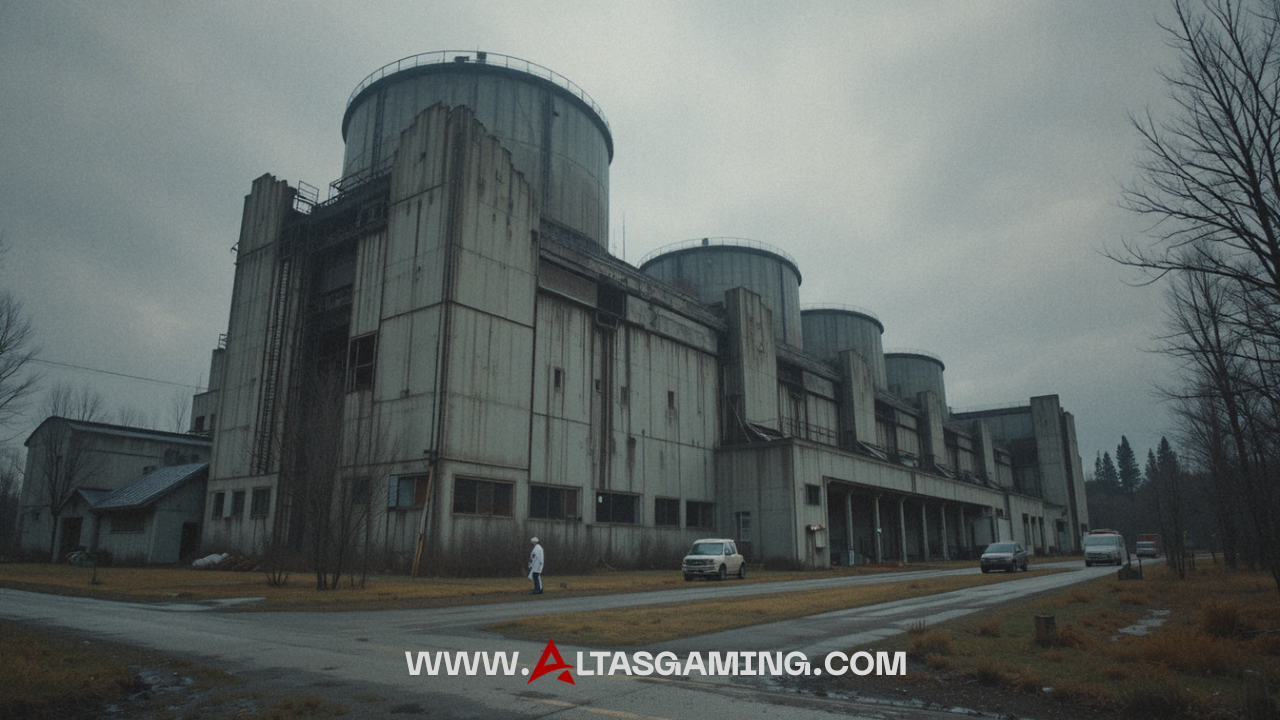
The fact that a protective shield built to confine the world’s most infamous nuclear disaster can be damaged by a drone strike shows how vulnerable nuclear infrastructure from power plants to storage facilities has become. Altas Gaming believes this is no longer a traditional military issue but a global technological security challenge.
2. The Protective Shield Was Never Meant for Active Warfare
Chernobyl’s New Safe Confinement structure was designed to contain radioactive material for decades, but not to withstand direct attacks. According to Altas Gaming’s analysis, this incident proves that nuclear containment strategies must evolve from passive engineering solutions to active defense systems, including anti-drone technology and cybersecurity integration.
3. Radiation Risk May Not Be Immediate, but the Fear Is Growing
While the IAEA clarified that major radiation leaks have not been detected, Altas Gaming believes the psychological impact is significant. Every attack or incident amplifies global anxiety about nuclear escalation even without real fallout. Public trust in nuclear safety is fragile and this event weakens it further.
4. Ukraine’s Nuclear Sites Have Become Strategic Targets
Altas Gaming has long emphasized that nuclear facilities in conflict zones act as soft pressure points. Any damage even minor to the Chernobyl shield signals how serious the geopolitical stakes have become. It’s no longer about controlling territory; it’s about leveraging symbolic and high-stakes infrastructure.
5. The World’s Preparedness Is Not Enough
The UN watchdog’s warnings highlight a deeper issue: global nuclear regulation is reactive, not proactive. Altas Gaming believes the world must now consider a new international nuclear protection framework, one specifically designed for modern warfare, drones, AI-supported attacks, and hybrid conflict environments.
Altas Gaming’s Final Take
The damage to Chernobyl’s protective shield is a wake-up call. Even if radiation is contained for now, the event exposes the vulnerabilities of nuclear sites in active conflict zones. The world cannot treat nuclear safety as an engineering problem alone it is a military, political, technological, and humanitarian issue all at once.
FAQs
Q1 If the NSC “lost confinement capability,” why weren’t radiation levels immediately higher?
A1 The core radioactive inventory inside the NSC was largely fixed and shielded by internal structures. The loss of primary functions refers to the ability to guarantee future confinement and protect against environmental degradation; it does not necessarily produce an instant measured leak. Continued monitoring is essential.
Q2 Could a single additional strike trigger a dangerous release?
A2 A single small strike that only affects outer cladding is unlikely to immediately cause a catastrophic release if load-bearing elements remain intact. But repeated damage or a strike hitting critical inner systems increases risk; hence reinforced protection and quick repairs are vital.
Q3 Will local populations be evacuated?
A3 Based on current measurements and IAEA reporting, no mass evacuations are warranted now. Evacuation would only be considered if independent monitoring detected rising radiation above health protection thresholds.
Q4 How long would comprehensive repairs take?
A4 Engineering and procurement for large-scale structural repairs often takes many months to years, depending on access, security, funding and the exact scope. The IAEA and partners are pushing for preparatory work as soon as conditions allow.
Q5 Can the NSC be made more resilient against future attacks?
A5 Yes upgrades could include hardened or redundant outer layers, enhanced surveillance and intrusion detection, and adding modular repair capability. But such upgrades require funding, time and secure access.
Table of Contents
- Is World War 3 coming Iran–Israel–USA Conflict 2026 The Complete Story, Hidden Tensions, and What Could Happen Next
- Taiwan Invasion by 2027 – But the Real War for AI, Chips, and Global Power Has Already Begun
- Resident Evil Requiem Becomes 2026’s Highest-Rated Game – A Survival Horror Masterpiece or an Overhyped Sequel That Loses Steam?
- Black Ops 7 Sets a New Standard for Tactical FPS Combat – But Controversy and Matchmaking Frustrations Spark Debate
- Ghostrunner 2 Free on Epic Games, A Cyberpunk Masterpiece of Relentless Action – or a Brutally Punishing Game That’s Too Hard to Love?


HP Victus 15 Gaming Laptop 15.6″ FHD IPS 144Hz (AMD FreeSync Premium) AMD Hexa-core Ryzen 5 7535HS 16GB RAM 512GB SSD Radeon RX 6550M (>RTX3050) Backlit USB-C Fast Charging Win11 w/ICP Accessory
| Brand | HP |
| Graphics Coprocessor | AMD Radeon RX 6550M |
| Specific Uses For Product | Gaming |
| Model Name | HP Victus 15 |
| Screen Size | 15.6 Inches |
| Color | Black |
| Hard Disk Size | 512 GB |
| CPU Model | Ryzen 5 |
| Ram Memory Installed Size | 16 GB |
| Operating System | Windows 11 |
Leave a Reply