Chick-fil-A and Portland, A Return Decades in the Making
For nearly two decades, Chick-fil-A has been absent from Portland one of America’s most outspoken, values-driven, and culturally distinct cities. That silence is about to end.
The fast-food giant has confirmed plans for an early 2026 opening in Portland, and the location itself is already making headlines
a former strip club, repurposed into one of the most recognizable chicken chains in the United States.
This is not just another restaurant opening.
It is a collision of corporate identity, local history, cultural memory, and modern consumer politics.
Chick-fil-A A Brief but Essential Introduction
Founded in 1946 by S. Truett Cathy, Chick-fil-A grew from a small diner concept into one of America’s most profitable and disciplined fast-food brands.
Key pillars of the brand include
- a strong focus on customer service
- a faith-influenced corporate culture
- a long-standing policy of closing on Sundays
- cautious, deliberate expansion rather than rapid sprawl
Unlike many competitors, Chick-fil-A has often prioritized control and consistency over ubiquity.
A Complicated History With Portland
Chick-fil-A’s relationship with Portland has never been simple.
While the chain operates widely across the U.S., Portland has historically resisted its presence due to
- concerns over corporate values
- public protests tied to past political controversies
- the city’s strong emphasis on progressive social identity
For nearly 20 years, Chick-fil-A has remained largely absent from Portland proper making this return especially symbolic.
The Location That Changed the Narrative
The most striking detail of this comeback is where it’s happening.
The planned Chick-fil-A site once housed a Portland strip club, a venue associated with
- nightlife culture
- controversy
- debates over zoning, morality, and local business identity
The transformation of that space into a family-oriented fast-food restaurant is already being interpreted as
- a sign of neighborhood change
- a cultural pivot
- or, by critics, a deliberate provocation
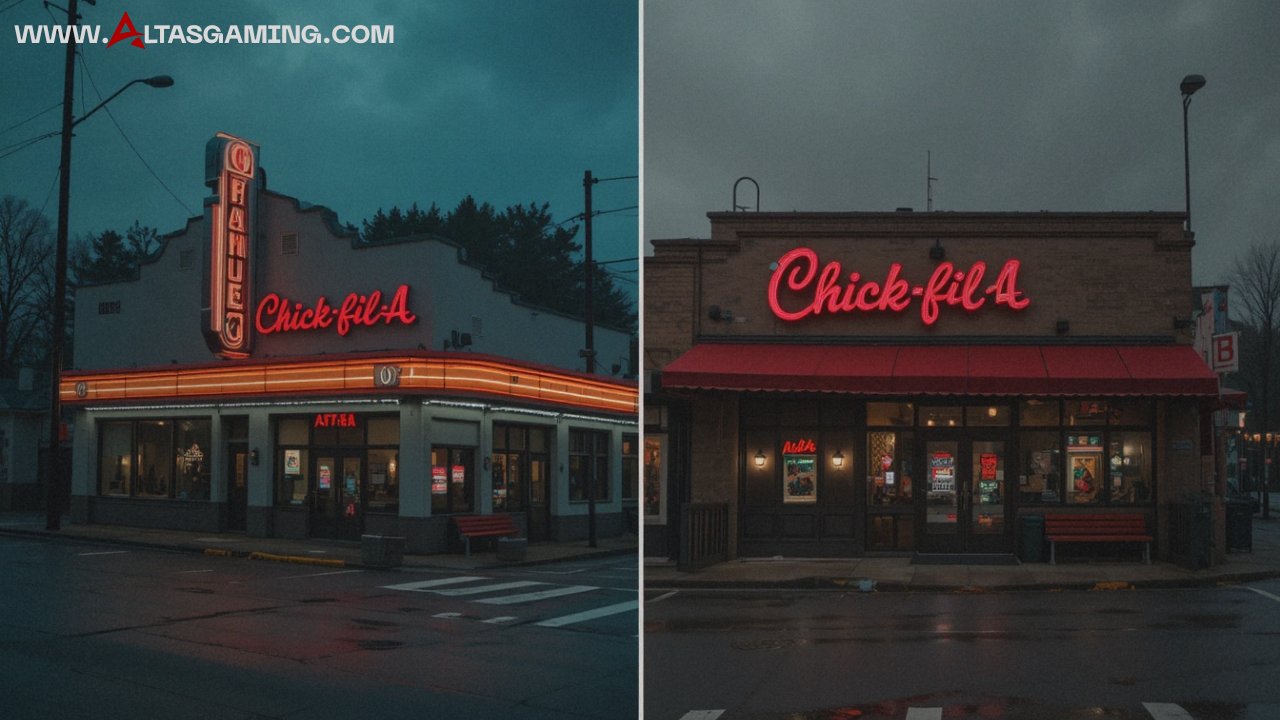
Regardless of perspective, the symbolism is undeniable.
Why “Early 2026” Matters
Chick-fil-A rarely rushes expansion.
The early 2026 timeline signals
- extensive local review and permitting
- careful brand positioning
- a measured attempt to re-enter a sensitive market
This is not a soft launch it is a calculated return.
Christmas Context Where Chick-fil-A Stands
As interest grows, many consumers are also asking broader questions especially during the holidays.
Will Chick-fil-A Be Open on Christmas Eve or Christmas Day?
Historically
- Christmas Day: Closed
- Christmas Eve: Often open with reduced hours, depending on location
Chick-fil-A’s consistent holiday closures reinforce its brand identity sometimes praised, sometimes criticized, but always clear.
Why This Opening Is Bigger Than Fast Food
This story is not really about chicken.
It’s about
- how brands re-enter hostile or skeptical markets
- how cities evolve and repurpose spaces
- how consumer values clash or align with corporate values
A former strip club becoming a Chick-fil-A is not accidental symbolism.
It is a reflection of urban transition.
 ltas Opinion
At Altas, we view Chick-fil-A’s Portland return as a case study in modern brand resilience.
1. This Is a Test, Not a Triumph
Chick-fil-A is not conquering Portland it is negotiating with it.
2. The Location Is the Message
Choosing a former strip club site is not just convenient it reframes the narrative of space, morality, and reinvention.
3. Portland Has Changed So Has Chick-fil-A
Both the city and the brand are different than they were 20 years ago.
This opening tests whether coexistence is now possible.
Altas Verdict
If Chick-fil-A succeeds here, it won’t be because of menu items.
It will be because it learned how to enter a conversation, not dominate it.
If it fails, it will reinforce the idea that some cultural gaps remain unbridgeable.
Either way, this opening will be watched far beyond Portland.
What Comes Next?
As 2026 approaches, attention will focus on
- community response
- employee hiring practices
- local traffic and zoning impact
- protest or acceptance
This location will not quietly blend into the city.
It will become a reference point.
FAQs
Q1: Why did Chick-fil-A choose this specific Portland location?
Altas Answer: Likely zoning availability combined with high visibility and redevelopment potential.
Q2: Does the former use of the building affect public perception?
Altas Answer: Yes symbolism matters deeply in Portland’s cultural discourse.
Q3: Is this Chick-fil-A’s first attempt to return to the city?
Altas Answer: It is the most direct and permanent attempt in nearly two decades.
Q4: Could this opening lead to more Portland locations?
Altas Answer: Only if this site proves socially and financially viable.
Q5: Will Chick-fil-A adjust its policies for Portland?
Altas Answer: Historically, the brand adapts operationally but not philosophically.
Table of Contents
- Is World War 3 coming Iran–Israel–USA Conflict 2026 The Complete Story, Hidden Tensions, and What Could Happen Next
- Taiwan Invasion by 2027 – But the Real War for AI, Chips, and Global Power Has Already Begun
- Resident Evil Requiem Becomes 2026’s Highest-Rated Game – A Survival Horror Masterpiece or an Overhyped Sequel That Loses Steam?
- Black Ops 7 Sets a New Standard for Tactical FPS Combat – But Controversy and Matchmaking Frustrations Spark Debate
- Ghostrunner 2 Free on Epic Games, A Cyberpunk Masterpiece of Relentless Action – or a Brutally Punishing Game That’s Too Hard to Love?

Leave a Reply