
Woodside in Turmoil as CEO Meg O’Neill Resigns to Join BP A Leadership Shock with High Stakes

The Australian energy sector has been rocked by a surprise leadership shake-up. Woodside Energy chief executive Meg O’Neill has resigned to take up a senior leadership role at BP, a move that has sent shockwaves through investors, policymakers, and energy markets alike. The decision comes at a delicate moment for Woodside, which is navigating capital discipline, energy transition pressures, and long-term LNG strategy all while its long-time chairman Richard Goyder is also preparing to step down within the next 18 months.
This sudden double transition raises serious questions: Is Woodside entering a period of strategic instability, or does this reset open the door for a stronger future?
Meg O’Neill’s Departure Why It Matters So Much
Meg O’Neill has been a central figure in Woodside’s modern transformation. Since taking the helm, she has overseen
- The integration of BHP’s petroleum assets
- A renewed focus on capital discipline
- Expansion of LNG dominance in Asia
- A cautious but deliberate approach to energy transition investments
Her departure to BP a global energy major aggressively repositioning itself amid climate, investor, and geopolitical pressure is both symbolic and strategic.
For BP, hiring O’Neill signals a renewed push for operational credibility and global LNG expertise.
For Woodside, however, it leaves a leadership vacuum at a time when clarity is most needed.
The Double Risk CEO Exit + Chairman Transition
What makes this development especially concerning for Woodside investors is timing.
Chairman Richard Goyder, a stabilising force at the board level, is also expected to leave within the next 18 months. This means Woodside could face:
- A new CEO still settling in
- A new chairman reshaping board priorities
- Ongoing pressure from shareholders on emissions, returns, and capital allocation
Markets typically dislike uncertainty and leadership transitions stacked on top of each other amplify execution risk.
BP’s Gain, Woodside’s Challenge
From BP’s perspective, Meg O’Neill’s appointment strengthens its leadership bench at a critical moment. BP is recalibrating after:
- Mixed returns from renewable investments
- Pressure to balance oil, gas, and low-carbon assets
- Investor skepticism over strategy consistency
O’Neill brings discipline, LNG expertise, and credibility with capital markets exactly what BP needs.
For Woodside, however, replacing a CEO of O’Neill’s calibre will not be easy.
Market Reaction and Investor Sentiment
Initial market response has been cautious rather than panicked but analysts are clearly watching closely.
Key investor concerns include:
- Continuity of Woodside’s LNG expansion strategy
- Commitment to shareholder returns versus green investments
- Stability during a volatile global energy cycle
Energy markets are already under pressure from:
- Global geopolitical tensions
- OPEC supply dynamics
- Policy uncertainty around fossil fuels
Leadership instability adds another layer of risk.
What Happens Next for Woodside?
In the short term, Woodside is expected to appoint an interim CEO while launching a global search for a permanent replacement. The board faces a critical decision:
- Internal promotion for continuity
- External hire to reset strategy and culture
Each option carries trade-offs.
Meanwhile, operational execution especially on LNG projects and capital returns will be under intense scrutiny.
 ltas Opinion Strategic Reset or Strategic Risk?

From Altas’ perspective, this is a high-risk but not yet high-damage moment for Woodside.
Meg O’Neill’s exit undeniably weakens short-term confidence. However, it also forces Woodside to confront bigger questions it has been postponing:
- What kind of energy company does it want to be in 2035?
- How aggressively should it defend LNG dominance versus diversifying?
- Can it balance shareholder returns with climate realities without losing credibility?
If Woodside uses this moment to appoint a leader with both operational strength and future-energy vision, the company could emerge stronger.
If not, the leadership vacuum could erode strategic coherence just as global competition intensifies.
This is a fork-in-the-road moment not a collapse, but certainly a warning.
FAQ’s
1. Could Meg O’Neill’s move to BP trigger talent poaching from Woodside?
Yes. Senior executives often follow trusted leadership. While not guaranteed, BP’s recruitment of O’Neill may make Woodside executives more visible targets.
2. Does this resignation affect Woodside’s LNG contracts in Asia?
Contracts remain intact. However, counterparties may reassess long-term confidence until leadership stability is restored.
3. Is Woodside now vulnerable to activist investors?
Potentially. Leadership transitions often invite activist pressure, especially around capital allocation and climate strategy.
4. Could Woodside delay major project approvals because of this?
Not immediately, but final investment decisions (FIDs) could face tighter board scrutiny during the transition period.
5. Does BP gain a competitive edge in LNG because of O’Neill?
Yes. Her deep LNG expertise strengthens BP’s negotiating and execution capability in global gas markets.
6. Will Woodside’s energy transition strategy change?
That depends entirely on the next CEO. This transition opens the door for either acceleration or retrenchment.
Final Thoughts
Meg O’Neill’s resignation is more than a personnel change it is a stress test for Woodside’s governance, strategy, and future identity. With BP gaining a seasoned operator and Woodside facing a leadership crossroads, the next 12 months will be decisive.
For investors, this is a moment to watch leadership choices, not just balance sheets.
For Woodside, the question is simple but profound:
Is this the beginning of uncertainty or the start of a smarter reset?
Table of Contents
- Is World War 3 coming Iran–Israel–USA Conflict 2026 The Complete Story, Hidden Tensions, and What Could Happen Next
- Taiwan Invasion by 2027 – But the Real War for AI, Chips, and Global Power Has Already Begun
- Resident Evil Requiem Becomes 2026’s Highest-Rated Game – A Survival Horror Masterpiece or an Overhyped Sequel That Loses Steam?
- Black Ops 7 Sets a New Standard for Tactical FPS Combat – But Controversy and Matchmaking Frustrations Spark Debate
- Ghostrunner 2 Free on Epic Games, A Cyberpunk Masterpiece of Relentless Action – or a Brutally Punishing Game That’s Too Hard to Love?

ASUS Dual GeForce RTX™ 5060 Ti 16GB GDDR7 OC Edition
Product Description
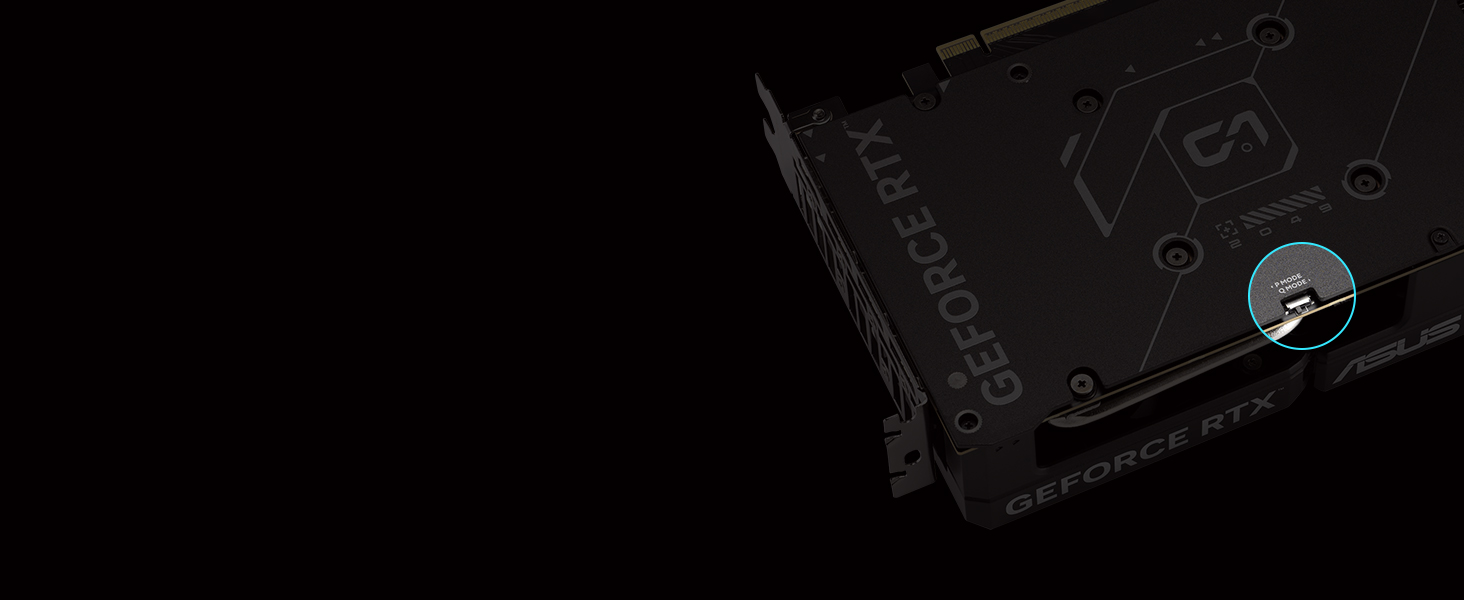
ASUS Dual GeForce RTX™ 5060 Ti combines powerful thermal performance with broad compatibility. Advanced cooling solutions from flagship graphics cards — including two Axial-tech fans for optimizing airflow to the heatsink. Designed in a compact 2.5-slot form factor, delivering more power in less space. ASUS Dual is a perfect choice for gamers who want heavyweight graphics performance in a compact build.
What’s in the box
- DUAL-RTX5060TI-16G Video Card
- Speedsetup Manual
Product information
| Brand | ASUS |
|---|---|
| Series | DUAL-RTX5060TI-O16G |
| Item model number | DUAL-RTX5060TI-O16G |
| Item Weight | 1.44 pounds |
| Product Dimensions | 9.02 x 4.72 x 0.1 inches |
| Item Dimensions LxWxH | 9.02 x 4.72 x 0.1 inches |
| Color | Black |
| Manufacturer | Asus |
| ASIN | B0F7WB6LSH |
From the manufacturer




2.5-slot Design
A carefully designed shroud, heatsink, and heatpipe layout enables the two Axial-tech fans to leverage chassis side-panel ventilation, delivering thermal performance that beyond the compact size.








Perfect PSU for the GeForce RTX 50 Series
Use the wattage calculator to estimate how much power you’ll need to fuel your rig, and then pick a compatible ROG, TUF Gaming or Prime power supply for ultimate performance.
Leave a Reply