Shredded Cheese Alert! The Silent Danger Sweeping 31 States You Need to Check Now
!A quiet threat may be sitting in millions of American refrigerators right now. What began as a routine quality-check has exploded into a nationwide food-safety emergency, with shredded and grated cheese products pulled from shelves at Walmart, Target, and major grocery chains across 31 states.
The reason?
Metal fragments small enough to swallow, sharp enough to injure, and dangerous enough to trigger one of the largest cheese recalls of recent years.
This is the recall no one saw coming, and its impact is growing by the hour.
What Triggered the Recall? A Hidden Hazard Buried in Everyday Foods
FDA officials and multiple grocery chains initiated an urgent recall after
- Reports of “unexpected hard particles” found inside packs of shredded cheese
- Tests confirming metal shards inside sealed bags
- Cross-checks showing contamination across multiple production batches
The contamination is believed to have originated from industrial shredding or packaging machinery, where worn-down metal parts likely broke off and mixed with cheese before sealing.
This type of recall is rare and serious.
Metal fragments can cause
- Internal bleeding
- Choking
- Dental damage
- Throat or stomach injuries
And because shredded cheese is often melted into dishes, many consumers may never see the fragments before eating them.
How Many Products Are Affected?
The recall includes
- Shredded cheddar blends
- Mexican-style grated cheeses
- Parmesan-style grated cheese
- Store-brand shredded cheeses
- Select national shredded cheese products
- Multi-cheese pizza blends
Most were sold in 8 oz, 16 oz, or 32 oz resealable bags.
The affected states span the Midwest, South, East Coast, and parts of the Mountain region making this a major national safety alert.
Why This Recall Is So Alarming A Systemic Food Safety Breakdown
Experts warn that this isn’t just an isolated factory issue it exposes a deeper vulnerability in the U.S. packaged food system.
1. Industrial food processing relies heavily on metal machinery
Even small failures can contaminate thousands of packages.
2. Pre-shredded foods are higher-risk
More processing steps = more mechanical contact = more contamination opportunities.
3. Mass distribution spreads contamination widely
One faulty machine can affect dozens of states within days.
4. Most consumers can’t detect metal fragments
Soft cheese hides small objects too easily.
This recall is a wake-up call for both producers and consumers.
What You Should Do Right Now
1. Check your fridge immediately
If you bought shredded cheese in the last 60 days, inspect
- Brand
- Size
- UPC code
- “Best By” dates
2. Do NOT taste or test the product
Even a tiny fragment can cause internal damage.
3. Return it for a full refund
Most retailers will refund with or without receipt.
4. Watch for symptoms
If you suspect you consumed metal
- Stomach pain
- Blood in saliva or stool
- Difficulty swallowing
- Sharp throat pain
Immediate medical attention is recommended.
How This Could Change Food Safety Standards
This incident raises new questions
- Should all shredded cheese undergo mandatory metal detection scanning?
- Do manufacturers need stricter equipment maintenance laws?
- Should consumers rely more on block cheese, which has fewer processing steps?
Many food scientists believe future regulations will shift toward tighter quality control at packaging plants, particularly for products prone to foreign-object contamination.
 tlas Opinion Why This Recall Feels Different and Why It Matters
Food recalls happen every year, but this one has a uniquely unsettling feel. Why?
Because cheese is one of the most widely consumed, family-friendly staples in America. It’s in kids’ lunches, late-night snacks, casseroles, salads, and holiday dishes.
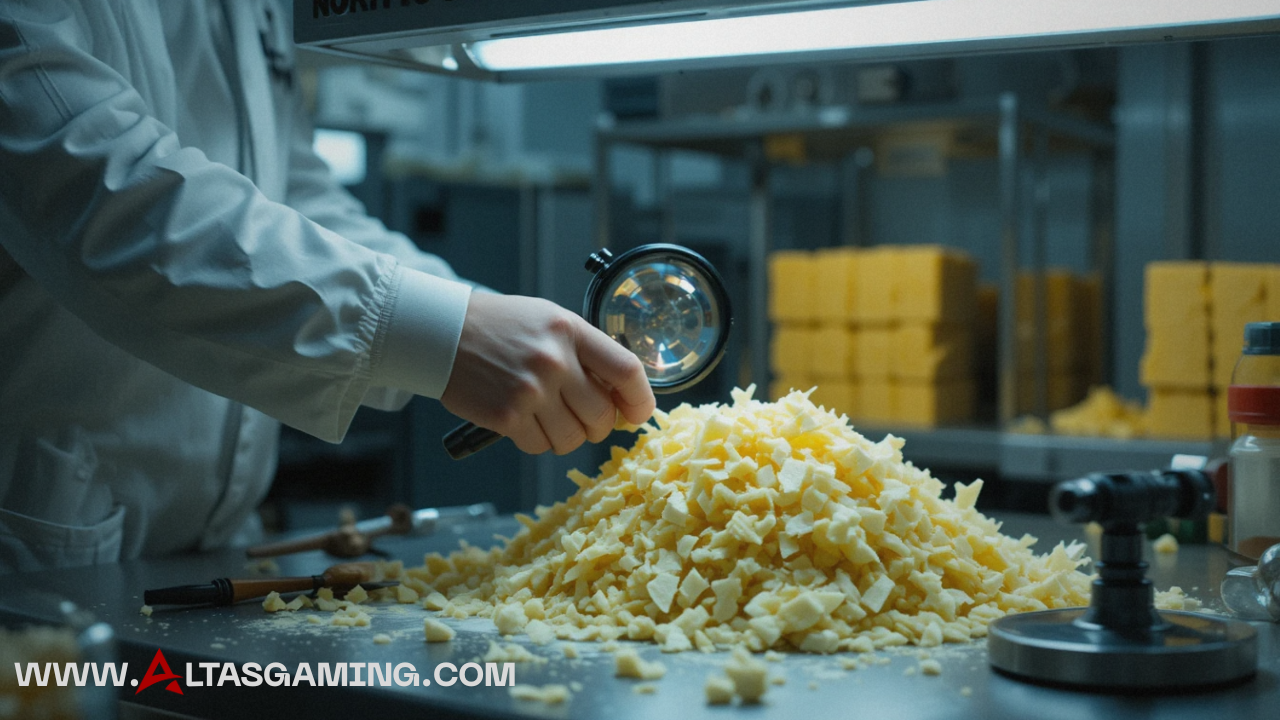
And contamination didn’t come from bacteria or spoilage
it came from metal, hiding invisibly in something soft and familiar.
In Atlas’ view, this recall exposes a vulnerability that goes beyond cheese
When convenience becomes the core value of our food system, safety becomes a compromise.
This won’t be the last recall of its kind unless manufacturers redesign the way they maintain and inspect high-contact machinery.
Consumers deserve better transparency, better testing, and better guarantees that everyday foods don’t carry hidden dangers.
FAQs
1. Why is shredded cheese more likely to be contaminated than block cheese?
Because shredding machines have many moving parts that wear down over time increasing the risk of metal particles breaking off.
2. Could this recall lead to shortages of shredded cheese nationally?
Yes. Large grocers may temporarily reduce stock while suppliers inspect lines and replace machinery parts.
3. Can metal fragments survive cooking or microwaving?
Absolutely heat does nothing to metal. The danger remains in cooked dishes.
4. Is this recall likely to trigger lawsuits against manufacturers?
Highly possible. Foreign-object injuries often lead to class-action suits and major settlements.
5. Should consumers avoid shredded cheese entirely after this incident?
Not necessarily but experts say buying block cheese and shredding at home reduces risk dramatically.
Table of Contents
- Is World War 3 coming Iran–Israel–USA Conflict 2026 The Complete Story, Hidden Tensions, and What Could Happen Next
- Taiwan Invasion by 2027 – But the Real War for AI, Chips, and Global Power Has Already Begun
- Resident Evil Requiem Becomes 2026’s Highest-Rated Game – A Survival Horror Masterpiece or an Overhyped Sequel That Loses Steam?
- Black Ops 7 Sets a New Standard for Tactical FPS Combat – But Controversy and Matchmaking Frustrations Spark Debate
- Ghostrunner 2 Free on Epic Games, A Cyberpunk Masterpiece of Relentless Action – or a Brutally Punishing Game That’s Too Hard to Love?

Clutch GM41 Lightweight V2 Gaming Mouse
Clutch GM41 Lightweight V2 Gaming Mouse
About this item
- Fast and Accurate Optical Sensor
- RGB Mystic Light Effect Mode
- Light Weight Gaming Mouse
- 16000 DPI
- Durable Build Quality with OMRON Switches
-
From the manufacturer


Product information
Additional Information
Customer Reviews 4.5 out of 5 stars
Best Sellers Rank - #5,938 in Video Games (See Top 100 in Video Games)
- #282 in PC Gaming Mice
Warranty & Support
Amazon.com Return Policy:You may return any new computer purchased from Amazon.com that is “dead on arrival,” arrives in damaged condition, or is still in unopened boxes, for a full refund within 30 days of purchase. Amazon.com reserves the right to test “dead on arrival” returns and impose a customer fee equal to 15 percent of the product sales price if the customer misrepresents the condition of the product. Any returned computer that is damaged through customer misuse, is missing parts, or is in unsellable condition due to customer tampering will result in the customer being charged a higher restocking fee based on the condition of the product. Amazon.com will not accept returns of any desktop or notebook computer more than 30 days after you receive the shipment. New, used, and refurbished products purchased from Marketplace vendors are subject to the returns policy of the individual vendor.Manufacturer’s warranty can be requested from customer service. Click here to make a request to customer service.
Leave a Reply