
Southern California Under Siege, A Major Storm Unleashes Mud, Floods, and Fear
Introduction
When Rain Becomes a Threat
Southern California is no stranger to extreme weather, but the latest major storm battering the region has transformed routine rainfall into a full-scale environmental emergency. Torrential rain, flash flooding, and the looming threat of catastrophic mudslides have placed millions on edge, especially in burn-scarred hillsides and low-lying urban zones.
Emergency officials warn that this is not an ordinary storm. Saturated soil, unstable terrain, and aging infrastructure have converged into a perfect recipe for disaster one that recalls some of the darkest weather-related tragedies in California’s recent history.
The Storm Explained What’s Happening Across Southern California
This powerful Pacific system has delivered
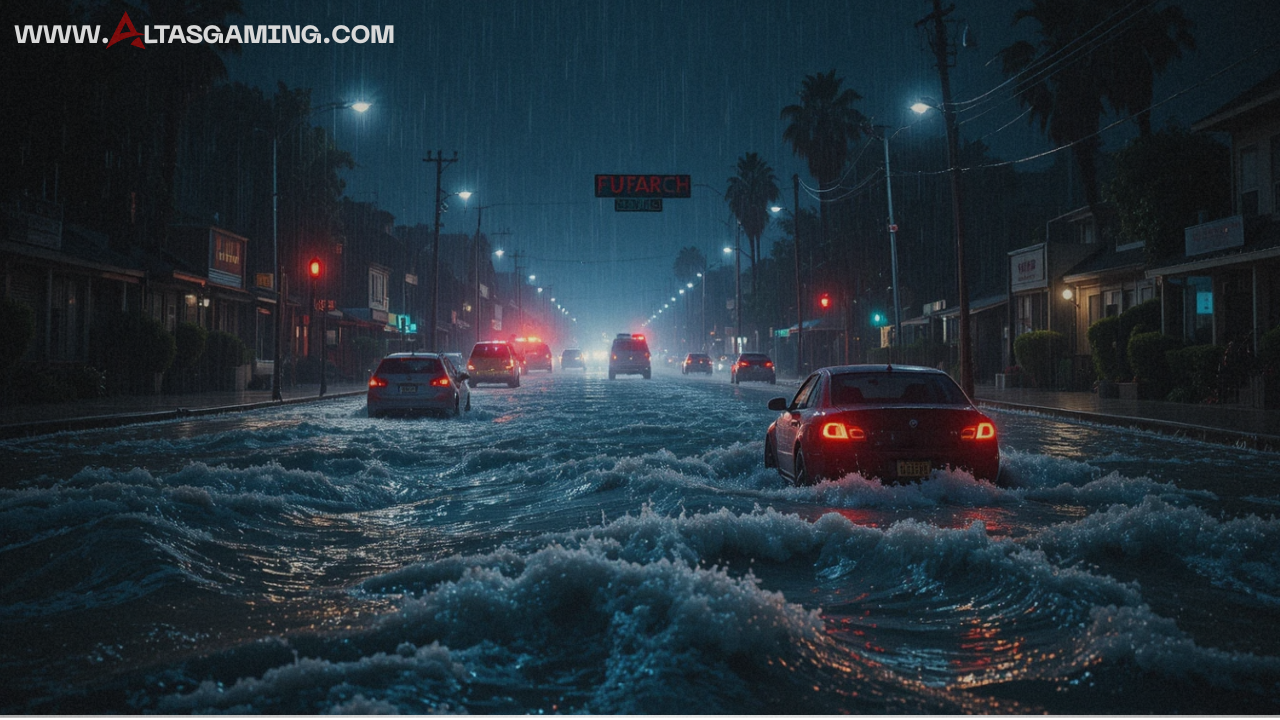
- Relentless rainfall over a short period
- Rapid runoff overwhelming storm drains
- Flash flooding in coastal and inland communities
- High mudslide risk near wildfire burn scars
Meteorologists say the storm’s intensity is magnified by atmospheric conditions that funnel moisture directly into Southern California, dumping rain faster than the ground can absorb it.
Why Mudslides Are the Greatest Threat
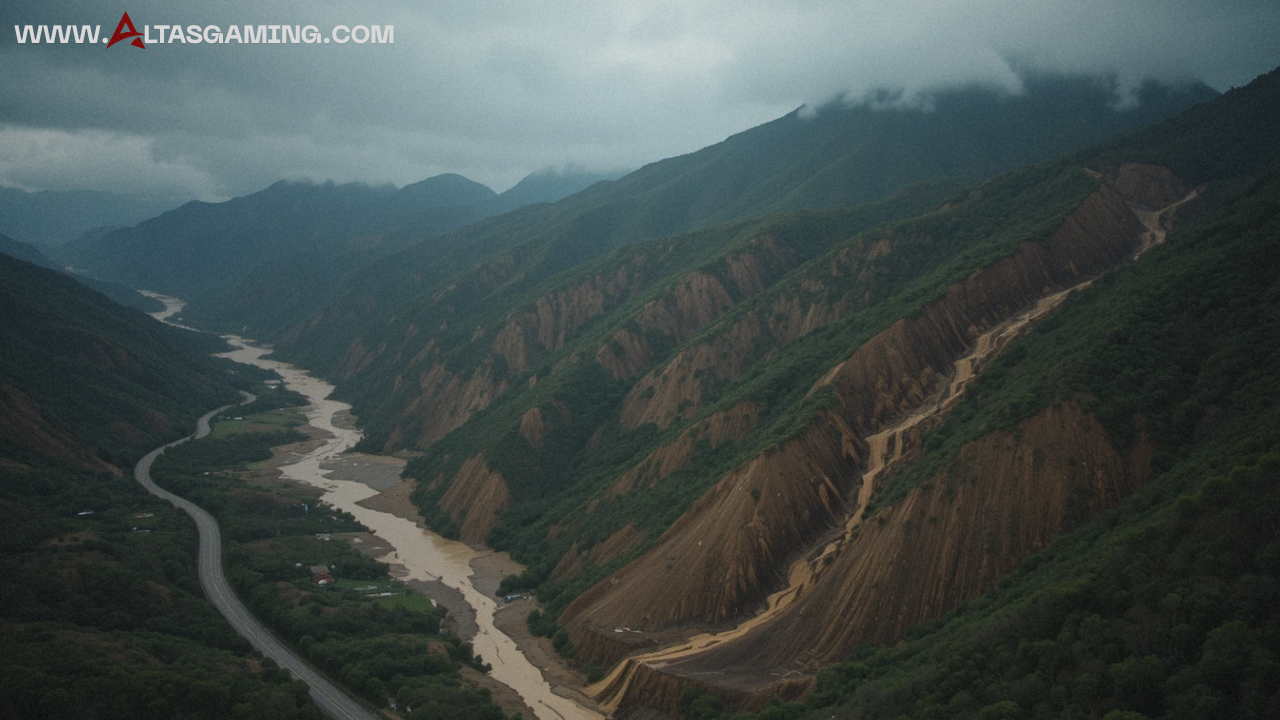
Mudslides are not sudden accidents they are slow-building disasters. After wildfires strip hillsides of vegetation, even moderate rain can destabilize slopes. This storm, however, is far beyond moderate.
High-Risk Areas Include
- Recent wildfire zones
- Steep canyon roads
- Communities at the base of hills
- Coastal cliffs weakened by erosion
Authorities have issued evacuation warnings in several regions, stressing that mudslides can occur at night, with little warning, and move with devastating force.
A Look Back California’s Storm History and Hard Lessons
Southern California’s relationship with extreme rain is complicated. Major storms in past decades have
- Destroyed neighborhoods overnight
- Washed away highways and bridges
- Claimed lives due to delayed evacuations
Each event has reinforced the same truth rain becomes deadly when preparation fails. Despite improved forecasting, rapid urban development continues to place people directly in harm’s way.
Infrastructure Under Pressure
Urban flooding has revealed ongoing weaknesses
- Blocked storm drains
- Aging sewage systems
- Poor hillside development planning
In several cities, streets have turned into rivers, vehicles have stalled in rising water, and emergency services are stretched thin responding to hundreds of calls.
Human Impact Fear, Displacement, and Uncertainty
Beyond statistics, the storm has brought
- Families evacuating with minutes to spare
- Businesses closing indefinitely
- Schools canceling classes
- Residents losing power and access to clean water
For many, the psychological toll waiting, watching the rain fall, and fearing what comes next is just as heavy as the physical damage.
 LTAS OPINION
At Altas, we see this storm as more than a weather event it is a warning signal.
Southern California continues to build in areas that nature has repeatedly proven unstable. Each storm exposes the same vulnerabilities, yet long-term solutions remain slow, fragmented, or politically stalled.
This crisis highlights three uncomfortable realities
- Wildfire and rain are now linked disasters, not separate events
- Climate volatility is accelerating, not stabilizing
- Preparedness still lags behind risk
Until infrastructure planning, land use policy, and emergency readiness evolve together, storms like this will remain not just dangerous but inevitable.
What Comes Next Forecast and Caution
Meteorologists warn that even after rainfall slows
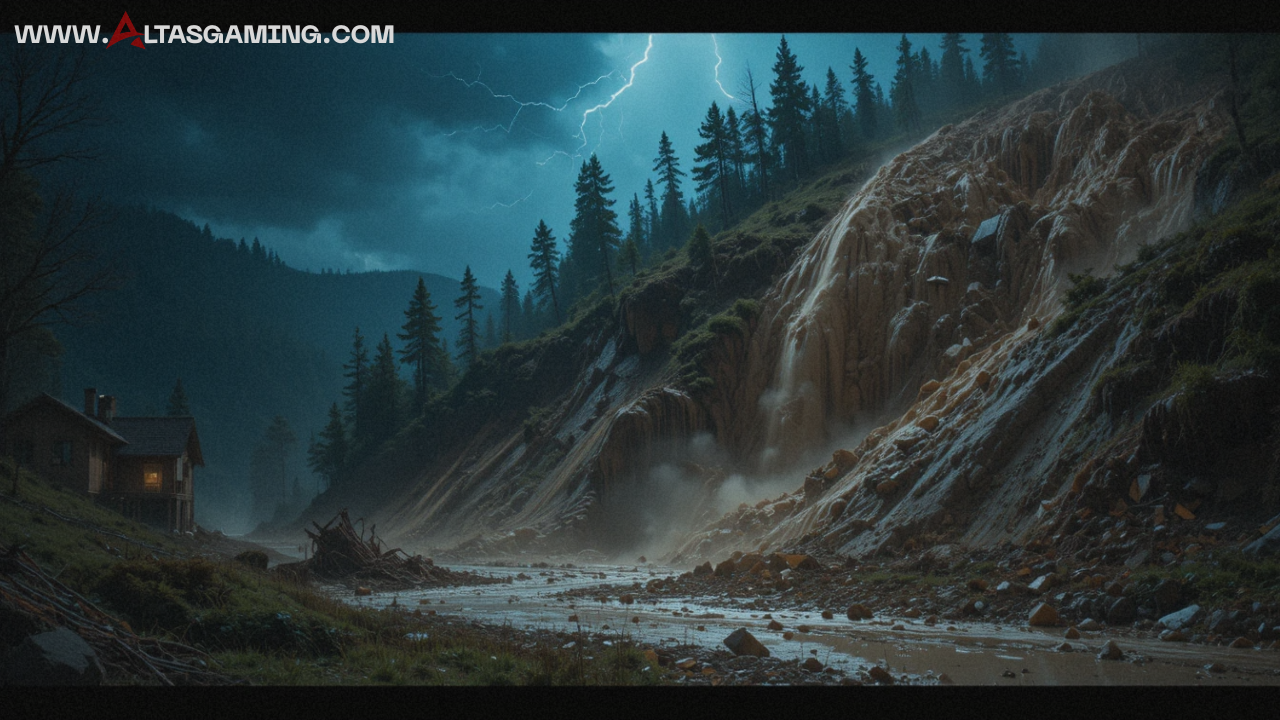
- Mudslides can occur hours or days later
- Floodwaters may recede slowly
- Road closures could persist
- Structural damage assessments will take time
Residents are urged to remain vigilant, avoid floodwaters, and follow official guidance closely.
FAQs
Q1: Why do mudslides often happen after rain stops?
Because water continues to seep into soil layers, weakening slopes even when rainfall appears to ease.
Q2: Can urban areas experience mudslides, or is it only rural hillsides?
Yes. Urban hills, freeway embankments, and landscaped slopes can fail just as easily as natural terrain.
Q3: Why do storms feel more destructive now than in the past?
Increased development, wildfire damage, and changing weather patterns amplify the impact of similar rainfall levels.
Q4: Is flood insurance enough to cover mudslide damage?
Often no. Mudslide damage may require separate coverage depending on policy terms.
Q5: What’s the biggest mistake residents make during storms like this?
Waiting too long to evacuate, assuming warnings are exaggerated.
Table of Contents
- Is World War 3 coming Iran–Israel–USA Conflict 2026 The Complete Story, Hidden Tensions, and What Could Happen Next
- Taiwan Invasion by 2027 – But the Real War for AI, Chips, and Global Power Has Already Begun
- Resident Evil Requiem Becomes 2026’s Highest-Rated Game – A Survival Horror Masterpiece or an Overhyped Sequel That Loses Steam?
- Black Ops 7 Sets a New Standard for Tactical FPS Combat – But Controversy and Matchmaking Frustrations Spark Debate
- Ghostrunner 2 Free on Epic Games, A Cyberpunk Masterpiece of Relentless Action – or a Brutally Punishing Game That’s Too Hard to Love?

MSI Gaming GeForce RTX 3060 12GB Graphics Card
Product Description
The GeForce RTX 3060 lets you take on the latest games using the power of Ampere, NVIDIA’s 2nd generation RTX architecture. Get incredible performance with enhanced Ray Tracing Cores and Tensor Cores, new streaming multiprocessors, and high-speed G6 memory.
From the manufacturer

Ray Tracing
Ray tracing is the holy grail of gaming graphics, simulating the physical behavior of light to bring real-time, cinematic-quality rendering to even the most visually intense games.

Traces of Brilliance
Tailored PCB Design
Not all circuit boards are created equal. A custom PCB Design provides greater reliability and beefed up power circuitry for pushing the card to its limits.



Bringing It All Together
MSI Center
MSI’s exclusive MSI Center software helps you get the most out of your MSI products. Monitor, tweak and optimize in real-time with just a few clicks.
Leave a Reply