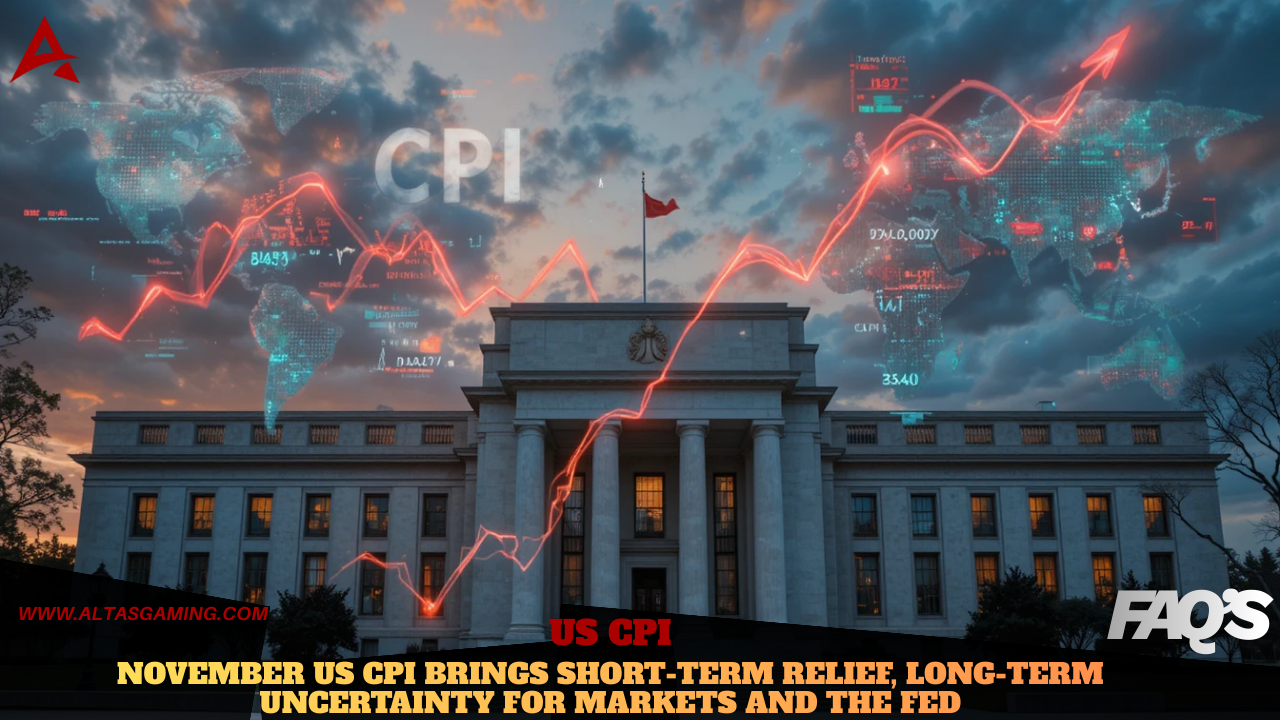
US CPI Data in Focus November Inflation Keeps the Fed’s Policy Dilemma Alive

Introduction, A Market-Moving Inflation Test
Global financial markets are bracing for the release of the U.S. November CPI inflation report, a crucial data point that could redefine expectations around Federal Reserve policy heading into year-end. With inflation showing signs of stabilizing but not easing decisivelythe Fed faces a growing dilemma: cut too soon and risk reigniting inflation, or wait too long and stall economic momentum.
The November CPI arrives at a sensitive moment, following a partial U.S. government shutdown, escalating geopolitical tensions, and intensifying debate over tariffs, labor costs, and global supply chains. As a result, FX markets, equities, bonds, and commodities are all on edge.
US CPI November Preview What the Market Expects
Economists broadly expect U.S. consumer prices to show inflation largely steadied in November, with some forecasts pointing to the largest annual CPI increase in roughly 18 months.
Key Expectations
- Headline CPI: Elevated but stable
- Core CPI: Sticky due to housing and services
- Monthly CPI: Moderate increase, signaling persistent price pressures
This outcome would reinforce the idea that inflation is no longer accelerating aggressively but also not cooling fast enough to give the Fed confidence in rapid easing.
Why the Fed Is Still Stuck in a Policy Dilemma
The November CPI report lands at a time when Federal Reserve officials are deeply divided.
- Labor market: Cooling but not collapsing
- Wage growth: Slowing, yet still above comfort levels
- Consumer demand: Resilient despite higher borrowing costs
Chair Jerome Powell has repeatedly emphasized that the Fed needs “greater confidence” inflation is moving sustainably toward the 2% target. A steady CPI reading keeps that confidence elusive.
Jerome Powell’s Speech The Dollar’s Hidden Driver
Markets are not just reacting to CPI numbers they are dissecting every word from Jerome Powell.
Powell’s Influence on Markets
- Hawkish tone → US Dollar strengthens
- Balanced / cautious tone → FX volatility spikes
- Dovish hints → Risk assets rally, USD softens
Even with inflation stabilizing, Powell’s messaging remains critical in shaping expectations for 2026 rate cuts, keeping FX traders highly reactive.
FX Pairs in the Spotlight After CPI
The CPI release puts several major FX pairs under intense focus:
EUR/USD
- Sensitive to Dollar direction
- Upside limited if CPI surprises to the upside
GBP/USD
- Volatile due to UK data + Fed uncertainty
- CPI surprise could trigger sharp breakouts
USD/JPY
- Inflation strength supports USD
- Yen remains vulnerable amid BoJ policy uncertainty
AUD/USD & Emerging FX
- Highly exposed to risk sentiment and geopolitical shifts
Impact of War, Tariffs, and Geopolitics
Geopolitical risks remain a silent inflation driver:
- Ongoing conflicts disrupt energy and shipping routes
- Tariff discussions resurface inflation fears
- Defense spending pressures fiscal balances
These factors complicate the Fed’s inflation fight and keep safe-haven flows active, supporting the Dollar even when CPI cools marginally.
Weekly Market Forecast What Comes Next
Bullish Dollar Scenario
- CPI higher than expected
- Powell maintains restrictive tone
- Treasury yields rise
Bearish Dollar Scenario
- CPI shows clear disinflation
- Powell signals flexibility
- Risk appetite improves
Markets are likely to remain range-bound but volatile, with CPI acting as a trigger rather than a trend-changer.
 ltas Opinion A Fragile Balance

Altas believes November CPI will confirm inflation is stuck in a slow grind lower, not a free fall. This keeps the Fed boxed in unable to pivot aggressively but increasingly aware of growth risks. Short-term volatility will rise, but long-term conviction remains elusive.
Altas expects policy patience, not panic, from the Fed.
FAQ’s, US CPI & Fed Policy Explained
Why is the November CPI report so important?
It helps determine whether inflation is truly cooling or merely stabilizing at uncomfortable levels for the Fed.
Will the Fed cut rates soon if CPI is stable?
Unlikely. Stable inflation alone may not justify aggressive easing without further labor market weakness.
How does CPI affect the US Dollar?
Higher CPI typically strengthens the Dollar by delaying rate cuts, while softer CPI weakens it.
Which markets react most to CPI data?
FX pairs, US Treasury yields, gold, and equities see the most immediate impact.
Does geopolitics affect inflation data?
Indirectly, yes through energy prices, supply chains, and tariffs.
Conclusion Inflation Steady, Uncertainty Rising
The November U.S. CPI report is less about a dramatic inflation shift and more about confirmation of persistence. With inflation neither breaking higher nor falling fast enough, the Fed’s dilemma remains unresolved. As central bank meetings approach and geopolitical risks intensify, markets should prepare for continued volatility rather than clarity.
Table of Contents
- Is World War 3 coming Iran–Israel–USA Conflict 2026 The Complete Story, Hidden Tensions, and What Could Happen Next
- Taiwan Invasion by 2027 – But the Real War for AI, Chips, and Global Power Has Already Begun
- Resident Evil Requiem Becomes 2026’s Highest-Rated Game – A Survival Horror Masterpiece or an Overhyped Sequel That Loses Steam?
- Black Ops 7 Sets a New Standard for Tactical FPS Combat – But Controversy and Matchmaking Frustrations Spark Debate
- Ghostrunner 2 Free on Epic Games, A Cyberpunk Masterpiece of Relentless Action – or a Brutally Punishing Game That’s Too Hard to Love?
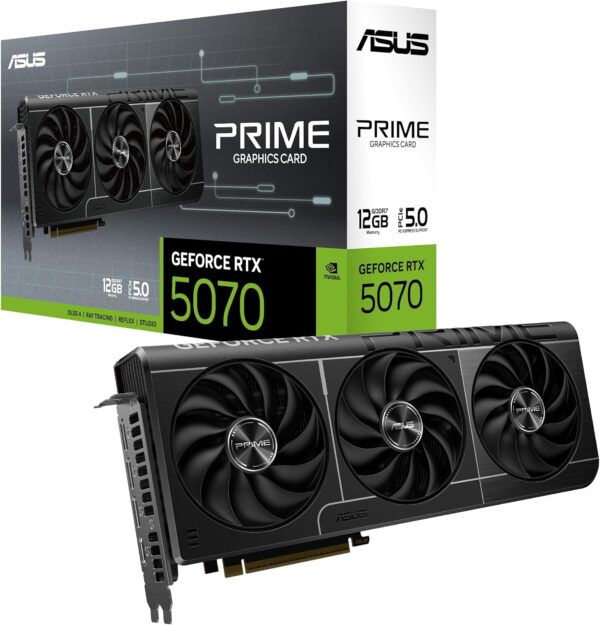
ASUS The SFF-Ready Prime GeForce RTX™ 5070 12GB
What’s in the box
- PRIME-RTX5070-12G Graphics card
- speedsetup manual
- ASUS Velcro Hook & Loop
- Thank you Card
- Adapter Cable (1 to 2)
-
From the manufacturer


2.5-slot Design
The Prime GeForce RTX 5070 features a 2.5 slot design with a carefully arranged layout for the shroud, heatsink and heat pipes to let the three Axial-tech fans leverage chassis side-panel ventilation and deliver optimal thermal performance.

Perfect PSU for the GeForce RTX 50 Series
Use the wattage calculator to estimate how much power you’ll need to fuel your rig, and then pick a compatible ROG, TUF Gaming or Prime power supply for ultimate performance.






Leave a Reply