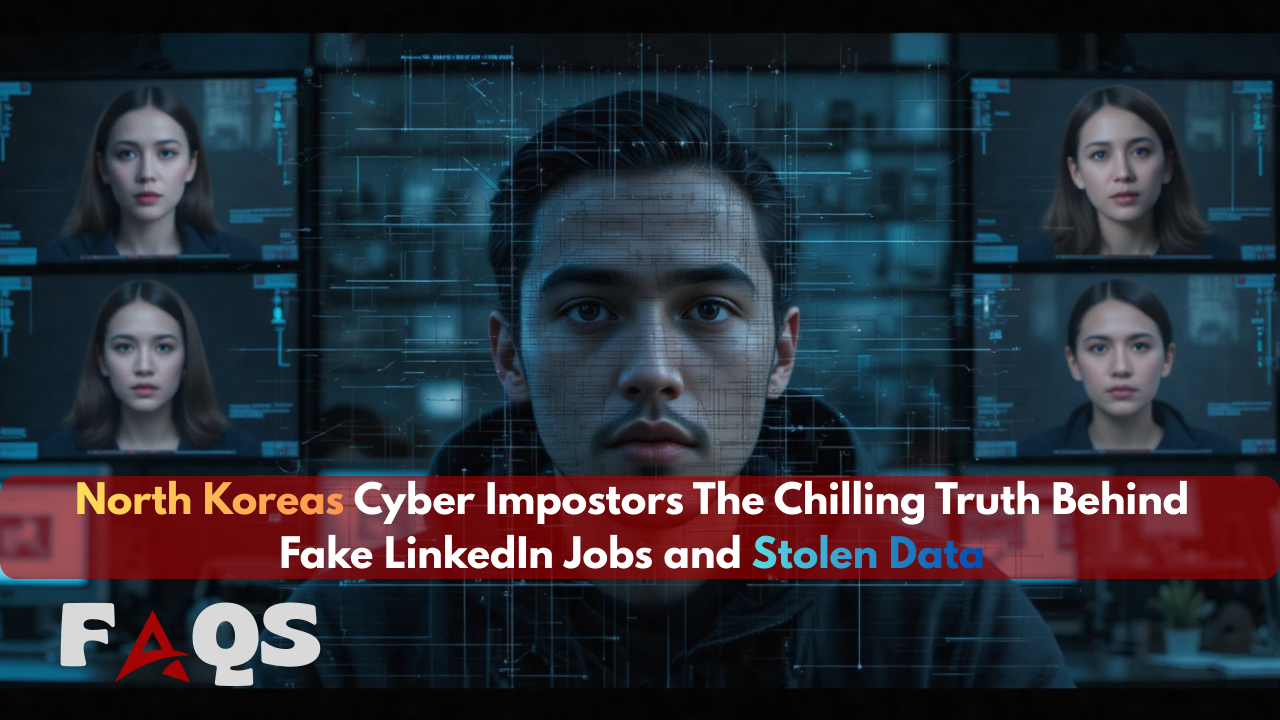
North Koreas Cyber Impostors, The Chilling Truth Behind Fake LinkedIn Jobs and Stolen Data
How a global web of false identities, remote-work applications, and social-engineering traps is reshaping the cyber-espionage battlefield.
Introduction A New Era of Cyber Espionage
For years, the North Korean–linked hacking collective known as Lazarus Group has operated in the shadows targeting banks, crypto exchanges, and global infrastructure. But recent investigations have uncovered a new evolution in their tactics: exploiting the global shift to remote work by impersonating skilled job seekers.
Researchers who monitored the group’s operations captured a live, real-time demonstration of Lazarus operatives applying for jobs, manipulating HR teams, and using social-engineering tricks to infiltrate corporate networks.
At the same time, intelligence reports reveal that groups tied to North Korea are using fake LinkedIn job postings, fraudulent résumés, and seemingly legitimate developer portfolios to gain access to sensitive organizational data. This strategic pivot suggests that North Korea is attempting to blend digital espionage with economic survival, outsourcing cyber operations under the guise of freelance or remote-work talent.
1. Researchers Capture Lazarus APT’s Remote-Worker Scheme Live
A recent cybersecurity research report details an unprecedented event: investigators were able to observe Lazarus actors in real time, posing as remote developers and proactively applying for positions at Western tech companies.
How the scheme works
- Operatives create highly polished resumes often lifted from legitimate professionals.
- Video interviews are conducted with deepfakes or altered visuals to mask the applicant’s identity.
- Attackers use proxy internet connections to spoof their location.
- Once hired, the compromised machine becomes a bridge into internal networks, enabling espionage or financial data theft.
Why remote work made this possible
The post-pandemic digital hiring landscape lowered barriers
- Fewer in-person interviews
- Distributed hiring teams
- Global acceptance of remote freelancers
- Overreliance on digital documentation
This creates an environment where a qualified-looking applicant can infiltrate systems with little face-to-face scrutiny.
2. Fake LinkedIn Jobs A New Social-Engineering Frontier
Separate investigations indicate that North Korean operators have been creating fake LinkedIn job ads particularly for software development, blockchain engineering, and IT roles.
These fraudulent postings serve two purposes
- Harvesting sensitive information from applicants, such as internal company documents or credentials.
- Using the job ad as a lure to send malware disguised as coding tests, onboarding paperwork, or assignment files.
Red flags commonly found in the fake listings
- Recruiter photos that appear AI-generated
- Companies with no verifiable online presence
- Job descriptions copied from other listings
- Requests to install code-execution tools before interviews
This strategy turns professional networking platforms into a high-stakes social-engineering battlefield.
3. How North Korea Is “Outsourcing Espionage” Through U.S. and Global Companies
Analysts suggest that North Korea’s financial pressures and international sanctions have pushed them to adopt a more distributed cyber-operations model.
Rather than conducting all espionage from within state organizations, operatives
- Apply for remote U.S. and European tech jobs
- Pose as freelancers from countries like Japan, Vietnam, or the UAE
- Use legitimate employment as cover for covert data access
Why this method is effective
- It appears legitimate on paper.
- Payment from companies becomes an indirect funding source.
- Attackers gain direct access to sensitive digital infrastructure under the guise of routine IT work.
Cybersecurity experts warn that this shift could reshape the future of espionage: the next corporate breach may begin with a job application that looks perfectly normal.
 ltas Opinion
While many analysts focus on the technical side of Lazarus Group’s operations, the more alarming trend lies in the psychological sophistication of their strategy.
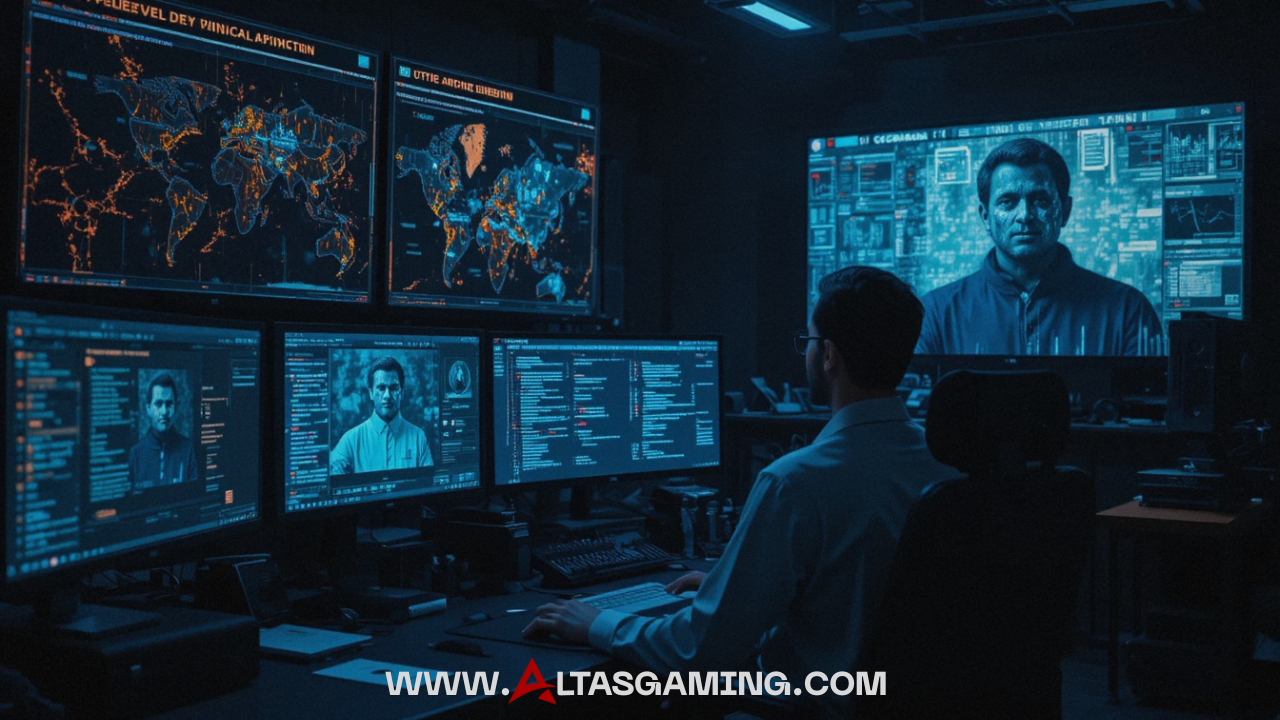
Remote-worker impersonation is not merely a technical exploit it is a human exploit.
North Korean operatives have learned to mimic
- Casual workplace conversation
- Developer humor
- Familiar career narratives
- Typical communication patterns on Slack, GitHub, and Zoom
This shows a chilling evolution: Lazarus is becoming culturally fluent, not just technically advanced.
The greatest future risk won’t be malware it will be a “coworker” who never actually existed.
FAQs
1. Could a fake remote worker realistically remain undetected inside a company for years?
Yes. If their tasks are routine and they avoid triggering security flags, an impersonator could stay active for long periods, especially in large distributed tech teams.
2. How do attackers learn to behave like Western professionals during interviews?
Training likely includes analyzing public job-interview videos, mimicking developer forums, and studying corporate culture cues like communication tone and meeting etiquette.
3. Can AI deepfakes fully pass modern video interviews?
Not flawlessly but good enough. Low-bandwidth excuses, blurred backgrounds, and “camera glitching” can mask imperfections.
4. Why target mid-level developer jobs instead of high-level executives?
Mid-level developers often have the most direct access to codebases, internal APIs, and cloud systems ideal entry points for espionage.
5. Could a real employee accidentally collaborate with a North Korean operative without knowing?
Absolutely. Team members communicating through Slack or email may never suspect anything if the attacker behaves professionally.
Table of Contents
- Iran War 2026 What Happened and Why Is It Important?
- Helldivers 2 Ultimate Survival Guide: Best Weapons, Builds, Missions & Pro Tips (2026)
- The PlayStation 6 – Everything Gamers Have Been Waiting For – Specs, Power, Features, and the Future of PS Gaming
- Global Crisis 2026 – The New World Order? How Nations Are Reshaping Global Power and Economy- What Happens After the Dollar Era?
- The Witcher 3: Wild Hunt – The Fantasy Masterpiece That Redefined Open-World RPGs

Acer Nitro KG241Y Sbiip
| Brand | acer |
| Screen Size | 23.8 Inches |
| Resolution | FHD 1080p |
| Aspect Ratio | 16:9 |
| Screen Surface Description | Glossy |
Leave a Reply