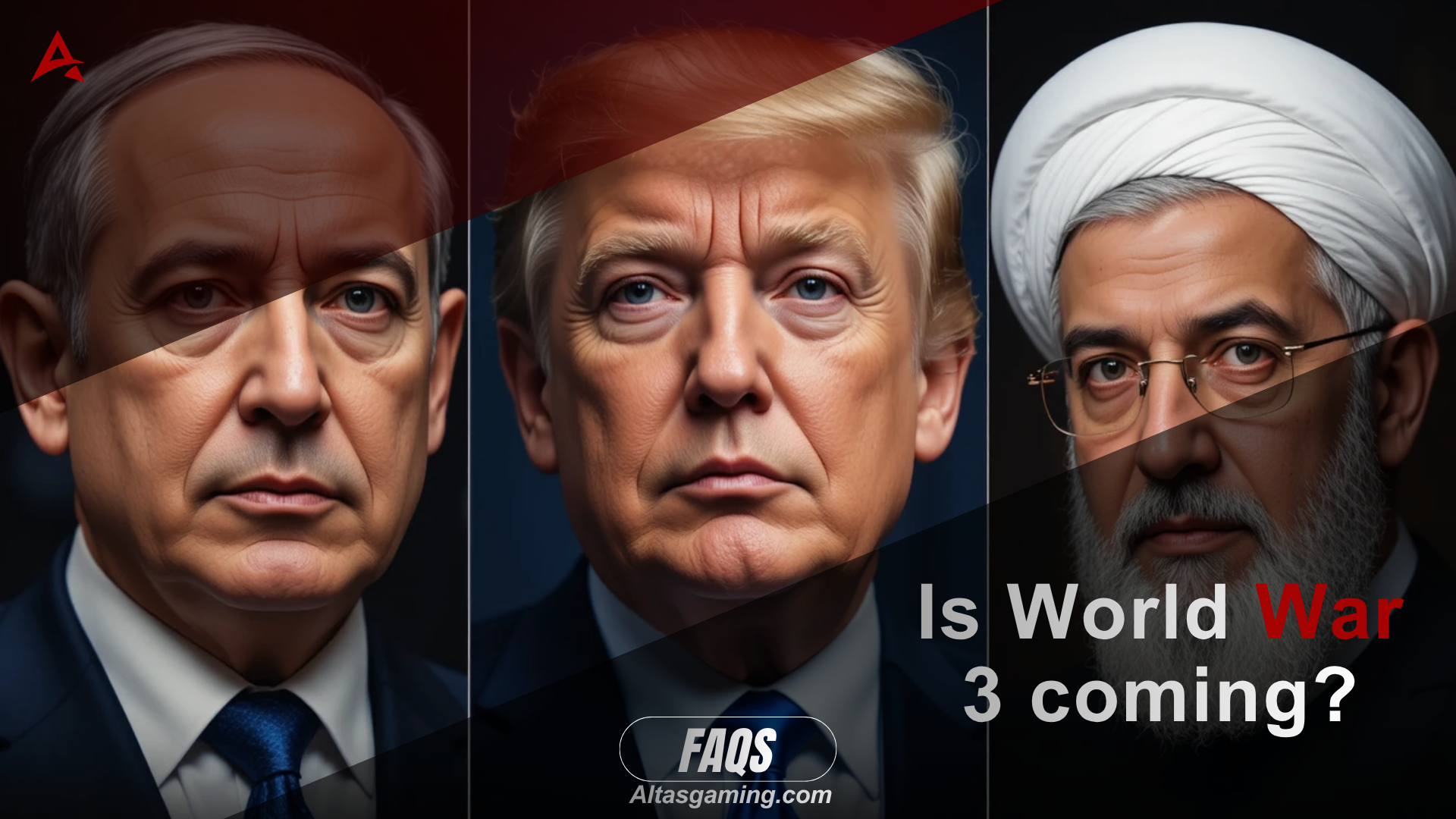
Iran–Israel–USA Conflict 2026 The Complete Story, Hidden Tensions, and What Could Happen Next
Is World War 3 coming Introduction: A Conflict That Could Shape the Future
The growing tension between Iran, Israel, and the United States is no longer just another regional dispute it is a situation with global consequences.
In 2026, the world is watching closely as political pressure, military positioning, and economic uncertainty combine into a volatile mix. While headlines focus on daily developments, the real story runs much deeper a story shaped by decades of rivalry, strategic interests, and global power struggles.
Chapter 1: The Origins How It All Began
To understand today’s crisis, we must go back in history.
The hostility between Iran and Israel was not always this intense. Before 1979, Iran had relatively stable relations with Western countries, including indirect alignment with Israel.
The Turning Point: Iranian Revolution
Everything changed after the Iranian Revolution.
- Iran adopted a new political ideology
- Israel was labeled an adversary
- Relations with the West, especially the United States, deteriorated
From that moment, the foundation of long-term conflict was set.
Chapter 2: The Nuclear Question Fear and Power
One of the biggest drivers of tension today is Iran’s nuclear program.
Why It Matters:
- Iran claims its nuclear program is for peaceful energy
- Israel believes it could lead to nuclear weapons
This disagreement has shaped global politics for years.
The Deal That Almost Changed Everything
In 2015, the Joint Comprehensive Plan of Action (JCPOA) was signed.
- It limited Iran’s nuclear activities
- In return, sanctions were reduced
But when the United States withdrew from the deal, tensions returned stronger than before.
Chapter 3: The Shadow War Hidden Battles
Even without a declared war, a “shadow war” has been ongoing.
What This Includes:
- Cyber attacks on infrastructure
- Intelligence operations
- Targeted strikes (unofficially claimed)
These actions rarely make full headlines, but they shape the reality on the ground.
👉 This is not a traditional war it’s a modern hybrid conflict.
Chapter 4: The Current Situation in 2026
Now, in 2026, the situation has entered a critical phase.
Key Developments:
- Military forces are on high alert
- Strategic locations are heavily monitored
- Diplomatic talks are slowing down
- Regional allies are becoming more active
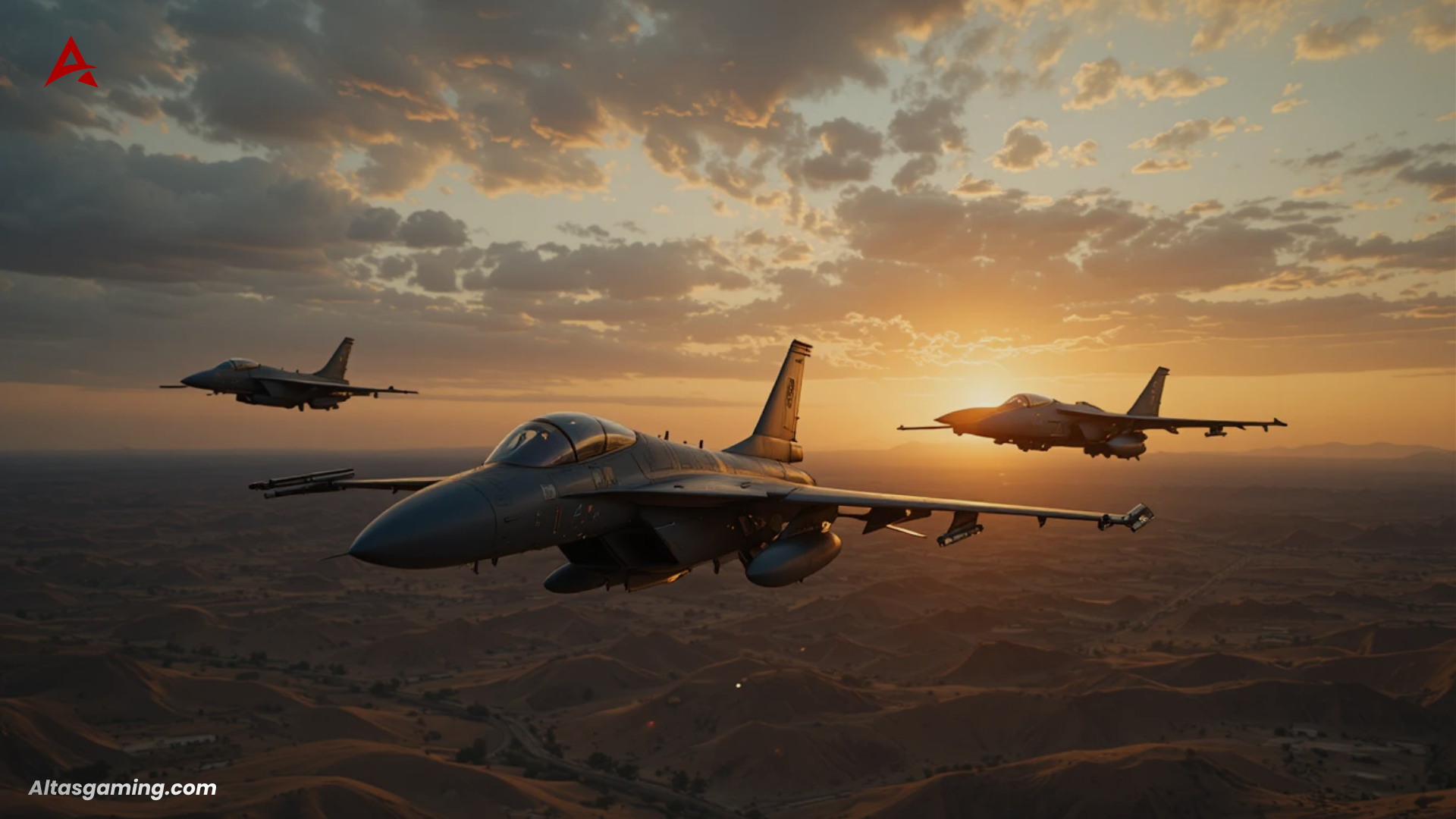
Experts describe this as a “pressure cooker situation” stable on the surface, but dangerous underneath.
Chapter 5: The Role of the United States
The United States is a central player in this conflict.
Why?
- Strong alliance with Israel
- Long-standing tensions with Iran
- Military presence in the region
The U.S. acts as:
- A deterrent
- A negotiator
- And potentially, a direct participant
Chapter 6: The Bigger Game Power and Influence
This conflict is not just about two countries.
It’s about:
- Regional dominance
- Global influence
- Control over resources
Middle East is one of the most strategically important regions in the world especially because of oil and trade routes.
Chapter 7: Economic Impact Why the World Should Care
🛢️ Oil Prices
Any instability in the Middle East affects global oil supply:
- Prices rise quickly
- Fuel becomes expensive worldwide
🪙 Gold Prices
During uncertainty:
- Investors shift to gold
- Prices can reach record highs
📉 Global Markets
- Stock markets become unstable
- Investors panic
- Economic growth slows
Chapter 8: Expert Analysis What Could Happen Next?
Experts suggest three possible scenarios:
1. Controlled Tension (Most Likely)
- No full war
- Continued pressure and minor conflicts
2. Limited Military Conflict
- Short-term strikes
- Regional escalation
3. Full-Scale War (Worst Case)
- Direct involvement of multiple countries
- Global consequences
Chapter 9: World War 3 Reality or Fear?
This is the biggest question people are asking.
👉 The truth:
- A global war is not certain
- But the risk increases with escalation
If major powers like the United States get directly involved, the situation could change dramatically.
Chapter 10: Timeline of Escalation
- 1979: Iranian Revolution
- 2000s: Nuclear concerns rise
- 2015: Nuclear deal signed
- 2018+: Tensions increase again
- 2023–2025: Proxy conflicts expand
- 2026: Situation reaches critical level
 ltas Deep Analysis (Unique Insight)
This conflict is not about immediate war it’s about long-term strategy.
Reality Check:
- No side wants full destruction
- But no side wants to appear weak
👉 This creates a dangerous balance:
Peace is preferred, but conflict remains possible.
❓ FAQs
Q1: Is there an active war right now?
No full-scale war, but tensions and indirect conflicts are ongoing.
Q2: Why is this conflict important globally?
Because it affects oil, economy, and global stability.
Q3: Can this situation calm down?
Yes, through diplomacy but it requires cooperation.
Q4: Should people be worried?
Not panic, but awareness is important.
Final Conclusion
The situation between Iran, Israel, and the United States is one of the most complex geopolitical issues in the world today.
It is a story of:
- History
- Power
- Fear
- Strategy
👉 The future is uncertain but one thing is clear:
What happens next could shape the world for years to come.
Table of Contents
- Iran War 2026 What Happened and Why Is It Important?
- Helldivers 2 Ultimate Survival Guide: Best Weapons, Builds, Missions & Pro Tips (2026)
- The PlayStation 6 – Everything Gamers Have Been Waiting For – Specs, Power, Features, and the Future of PS Gaming
- Global Crisis 2026 – The New World Order? How Nations Are Reshaping Global Power and Economy- What Happens After the Dollar Era?
- The Witcher 3: Wild Hunt – The Fantasy Masterpiece That Redefined Open-World RPGs
Leave a Reply