
Hyundai Motor Group’s AI Robotics Gambit at CES 2026- How Humanoid Robots, Chip Wars, and Geopolitics Are Shaping the Next Human-Centered Tech Era
Introduction: CES 2026 Opens the Gates to a Robotic Decade
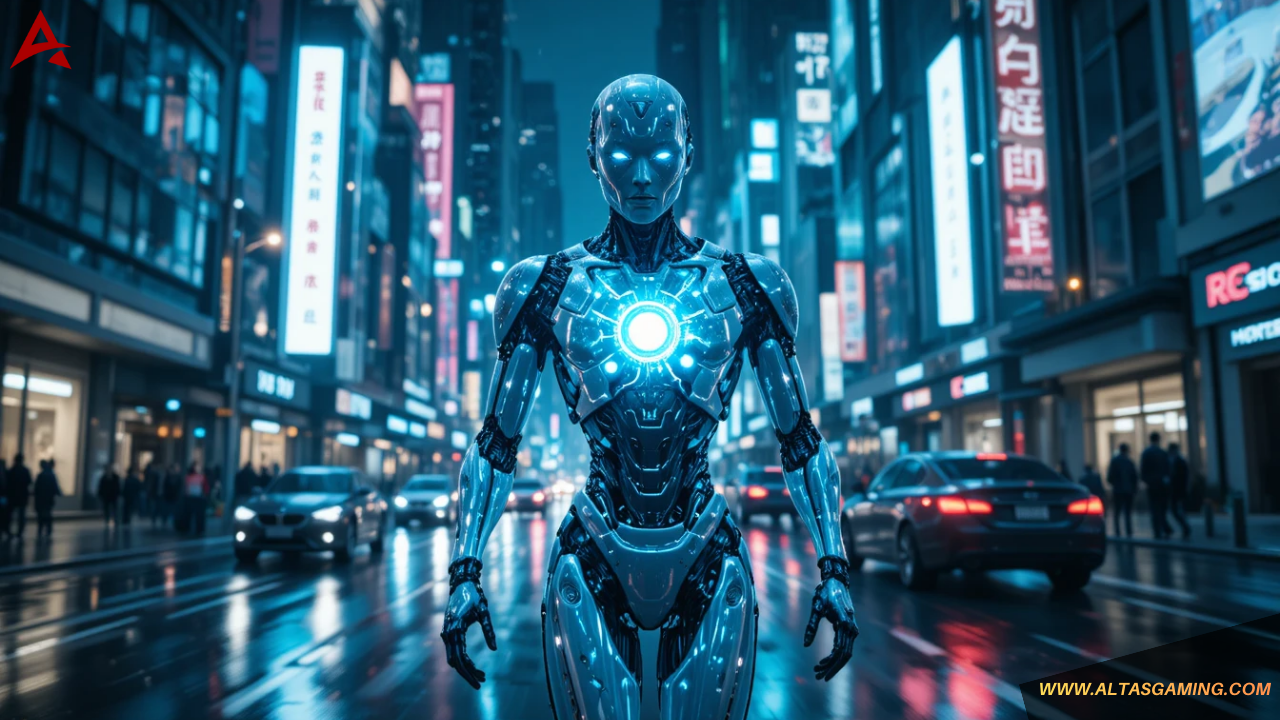
CES 2026 has officially opened its showfloor in Las Vegas, transforming venues like the Latour Ballroom at the Wynn into ground zero for the world’s most ambitious technologies. While televisions, laptops, and eccentric gadgets still draw crowds, this year’s defining theme is unmistakable: AI-powered humanoid robots are no longer science fiction they are industrial, military, and geopolitical reality.
At the center of the spotlight stands Hyundai Motor Group, which has announced an aggressive AI robotics strategy aimed at leading what it calls the “human-centered robotics era.” The company unveiled new humanoid robots designed for factory work, confirmed mass-production targets of 30,000 robots annually by 2028, and positioned itself as a serious contender in a field now dominated by intense U.S.–China technological rivalry.
But Hyundai is not alone. CES 2026 is also witnessing:
- Chip wars between U.S., Chinese, and South Korean semiconductor giants
- Military-grade humanoid robots edging closer to deployment
- China’s push toward robot market dominance, from sports to households
- Growing concerns about autonomous warfare and ethical boundaries
This article breaks down what’s happening, what’s not being openly said, and why it matters globally.
Hyundai’s Vision- Human-Centered Robotics Goes Mainstream
From Cars to Cognition
Hyundai Motor Group’s announcement marks a strategic evolution beyond automobiles. The company revealed that its robotics roadmap is built on three pillars:
- Humanoid robots for industrial labor
- AI systems capable of learning human movement and decision-making
- Robots designed to work alongside not replace -humans
The newly unveiled humanoid robot is engineered for automotive factory environments, capable of:
- Lifting heavy components
- Performing repetitive or hazardous tasks
- Navigating dynamic factory floors using vision-based AI
- Learning from human workers through motion capture and reinforcement learning
Hyundai confirmed plans to deploy these robots first in its own car plants, creating a closed-loop ecosystem where robots continuously improve through real-world data.
The Scale Few Are Talking About- 30,000 Robots a Year by 2028
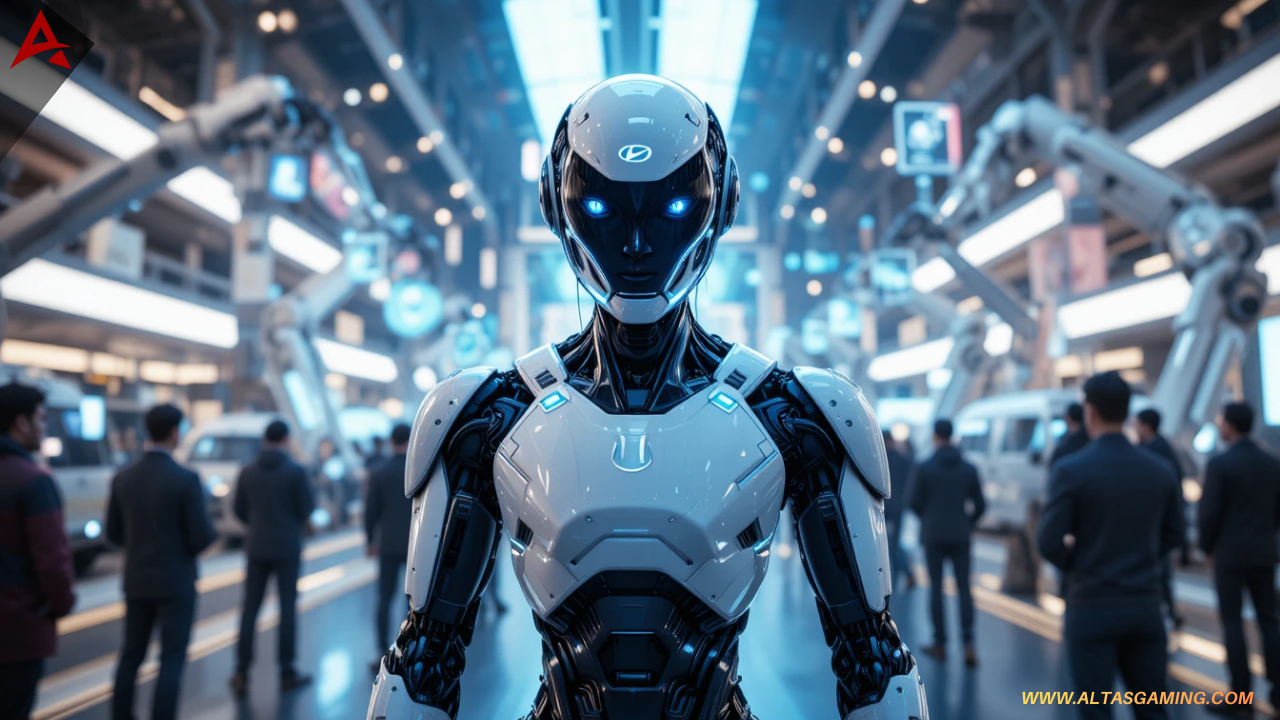
Hyundai’s target of producing 30,000 robots annually by 2028 is not just ambitious it’s disruptive.
Why This Matters:
- This scale rivals early automotive mass production
- It positions Hyundai alongside Tesla, Boston Dynamics, and major Chinese robotics firms
- It suggests falling unit costs, accelerating adoption beyond factories
Hidden insight:
Mass production at this scale indicates Hyundai expects global labor shortages, rising wages, and aging populations especially in South Korea, Japan, Europe, and North America to make humanoid robots economically unavoidable.
CES 2026- Chip Wars, Laptops, and AI Everywhere
The Semiconductor Backbone
Behind every humanoid robot is a battle for chips.
At CES 2026:
- U.S. firms emphasize AI accelerators and military-secure chips
- China showcases domestically produced processors to bypass export controls
- South Korea positions itself as the neutral powerhouse of memory and logic chips
Hyundai’s robots rely heavily on:
- High-bandwidth memory
- Edge AI processors
- Sensor fusion chips
Altas Insight:
Robotics is quietly becoming the largest future driver of chip demand, potentially surpassing smartphones and PCs by the early 2030s.
Civilian Robots vs Military Robots- A Blurring Line
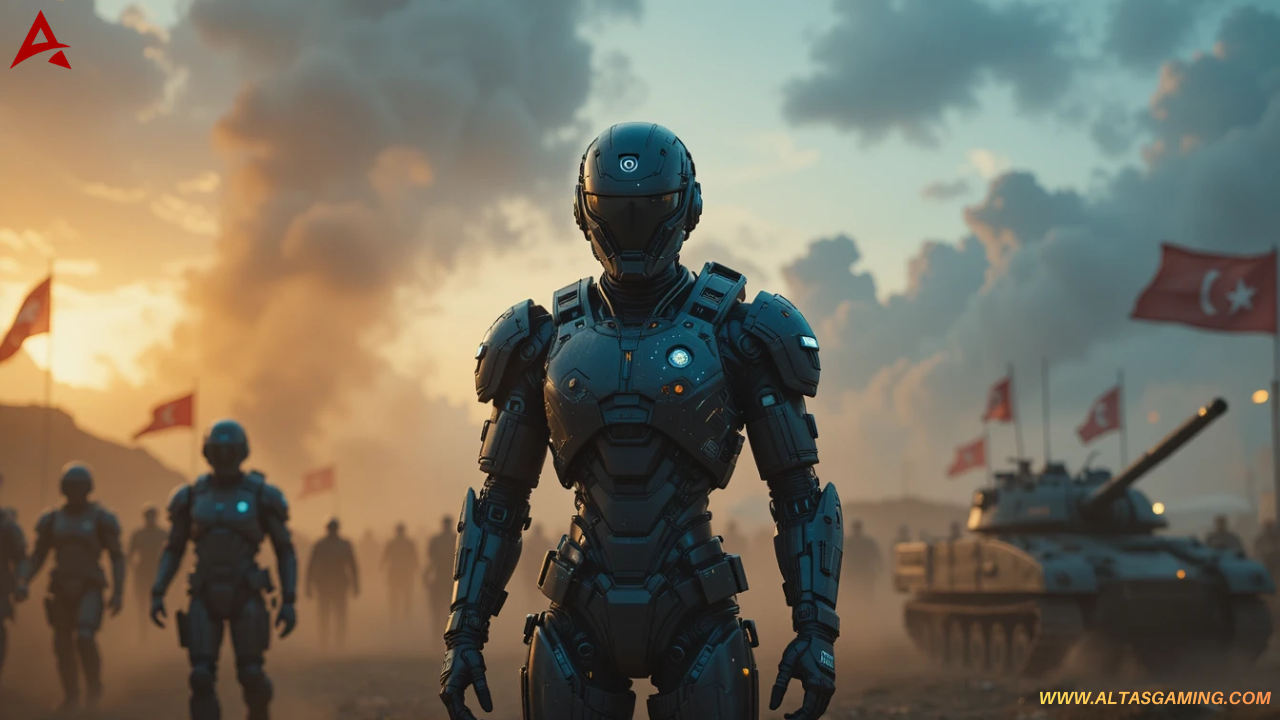
What Are Military Robots?
Military robots range from:
- Autonomous drones
- Logistics robots
- Humanoid machines capable of reconnaissance, repair, or combat support
The U.S. Army has openly stated its interest in deploying human-like robots for:
- Base security
- Equipment maintenance
- High-risk missions
Meanwhile, Foundation Future Industries has announced plans to produce 50,000 “Phantom” robots for the U.S. military by 2027—a number that dwarfs most civilian deployments.
The Ethical Gray Zone
While Hyundai stresses “human-centered” values, the same AI:
- Vision systems
- Dexterous manipulation
- Autonomous navigation
…can be repurposed for military use.
This dual-use reality raises serious geopolitical and ethical questions.
China’s Humanoid Robot Push- From Sports to Homes
China has made humanoid robotics a national priority.
Recent trends include:
- Robot sports competitions to improve agility
- State-backed robotics labs
- Consumer-facing humanoids aimed at home assistance
Beijing’s strategy is clear:
- Dominate manufacturing
- Control supply chains
- Set global standards
Hidden factor:
China’s rapid progress is partly driven by export restrictions on chips, forcing innovation in software efficiency and alternative hardware.
War, Geopolitics, and Robotics Power
Why Governments Care
Robots are no longer just tools they are strategic assets.
Key geopolitical implications:
- Robots reduce reliance on human soldiers
- Automated factories increase wartime resilience
- AI-controlled logistics shorten supply chains
Countries investing heavily in robotics today may hold a decisive advantage in future economic and military conflicts.
Hyundai’s strategy, while civilian-focused, places South Korea in a powerful middle position between U.S. and Chinese tech blocs.
Forecast- What Comes Next (2026–2030)
Short-Term (2026–2027)
- Humanoid robots remain expensive and industrial-focused
- Military trials accelerate quietly
- Chip shortages periodically disrupt production
Mid-Term (2028–2030)
- Robots enter logistics, healthcare, and elder care
- Costs fall sharply due to mass production
- Governments introduce stricter AI and robotics laws
Long-Term Outlook
Humanoid robots could become as common as forklifts but far more politically sensitive.
 ltas Opinion- The Quiet Beginning of a New Power Race
CES 2026 may be remembered not for flashy TVs or foldable laptops, but as the moment when humanoid robots became inevitable.
Hyundai’s framing of “human-centered robotics” is both genuine and strategic. It reassures regulators and the public while keeping the company competitive in a world where automation is no longer optional.
The real battle ahead isn’t about robots replacing humans.
It’s about who controls the intelligence, chips, data, and standards behind them.
FAQ’s
Q1: Will Hyundai’s humanoid robots replace factory workers?
No. Hyundai emphasizes augmentation, not replacement at least initially. However, some job roles will inevitably change.
Q2: Are these robots connected to military programs?
Officially, no. But the technology is dual-use, meaning military adaptation is possible.
Q3: Why is CES 2026 so focused on robots?
Because AI has matured enough to move from screens into physical machines.
Q4: Can robots really enter homes soon?
Limited versions may appear by the late 2020s, but cost, safety, and regulation remain hurdles.
Q5: Is China ahead in humanoid robotics?
China leads in scale and speed, while the U.S. leads in AI software. South Korea aims to bridge both.
Final Thought
CES 2026 didn’t just showcase gadgets it revealed the architecture of the future workforce, battlefield, and home. Hyundai’s announcement signals that the age of humanoid robots is no longer approaching.
It has already begun.
Table of Contents
- Resident Evil Requiem Becomes 2026’s Highest-Rated Game – A Survival Horror Masterpiece or an Overhyped Sequel That Loses Steam?
- Black Ops 7 Sets a New Standard for Tactical FPS Combat – But Controversy and Matchmaking Frustrations Spark Debate
- Ghostrunner 2 Free on Epic Games, A Cyberpunk Masterpiece of Relentless Action – or a Brutally Punishing Game That’s Too Hard to Love?
- Code Vein II Is a Beautiful Evolution – But Its Uneven World Holds It Back! Or Does It Still Lack the Crown? (Feb 2026)
- Nioh 3 Review- A Brutal Soulslike Masterpiece That Perfects Samurai Combat – Or an Unforgiving Grind That Pushes Players Too Far?
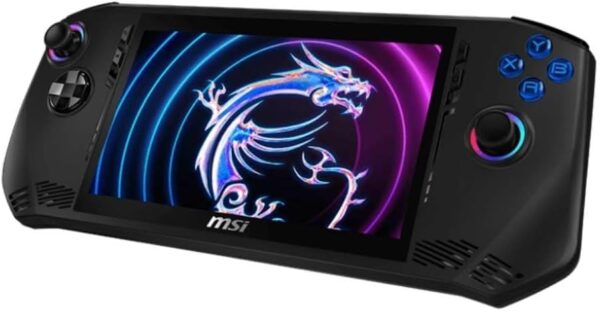
HIDevolution 2025 MSI Claw A1M 7″ FHD 120Hz, 1.4 GHz Ultra 7-155H, Arc Graphics, 16 GB LPDDR5 RAM, 2 TB PCIe SSD, Windows 11 Home
MSI Claw A1M
| Brand | HIDevolution |
| Model Name | Claw A1M-051US |
| Screen Size | 7 Inches |
| Color | 7″ FHD | Ultra 7-155H | Arc Graphics | 11 Home |
| Hard Disk Size | 2 TB |
| CPU Model | Intel Mobile CPU |
| Ram Memory Installed Size | 16 GB |
| Operating System | Windows 11 Home |
| Special Feature | Memory Card Slot |
| Graphics Card Description |
Leave a Reply