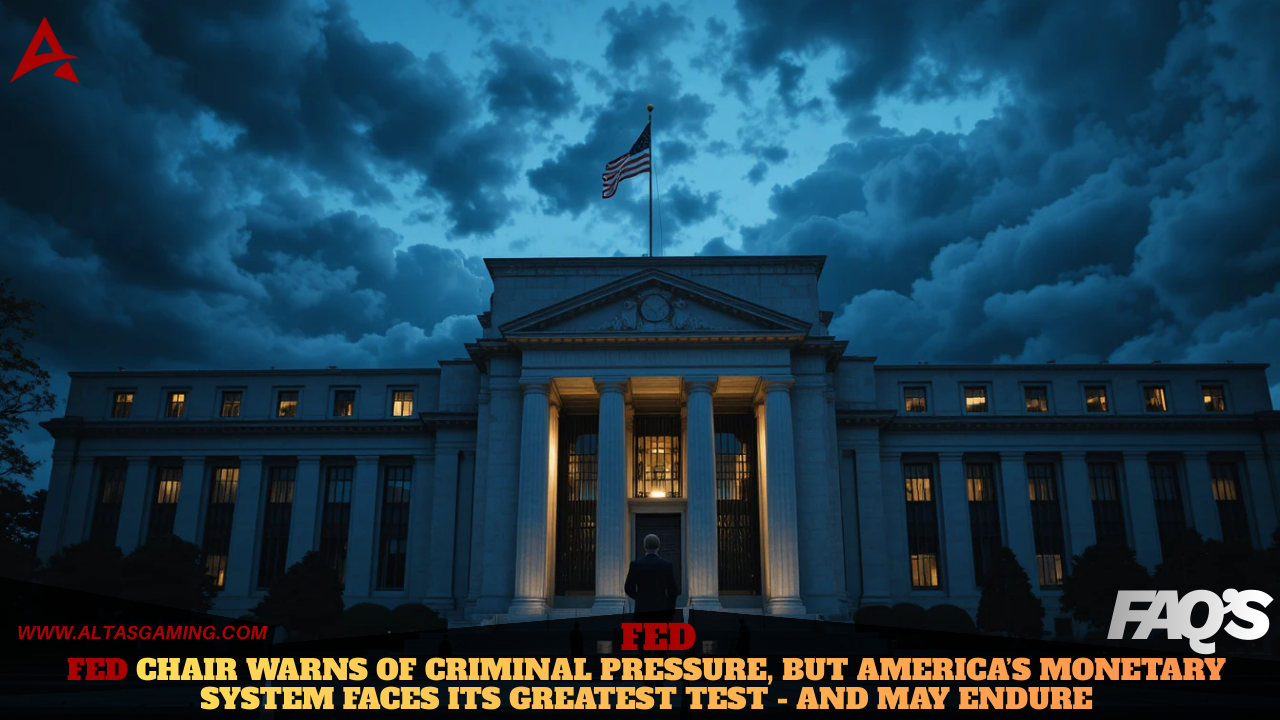
U.S. Federal Reserve Chair Warns of Criminal Threats as Trump–Powell Conflict Reaches Unprecedented Level
An Extraordinary Moment for the Federal Reserve
In a stunning and deeply unsettling development, the Chair of the U.S. Federal Reserve has disclosed that the Department of Justice (DOJ) has threatened him with potential criminal indictment, marking one of the most extraordinary confrontations in modern American economic governance.
https://www.whitehouse.gov/administration/donald-j-trump/The revelation arrives amid renewed political pressure from former President Donald Trump, who has repeatedly attacked Federal Reserve Chair Jerome Powell for refusing to aggressively cut interest rates. The episode is now rippling through financial markets, global diplomacy, and institutional trust, raising fears that the independence of the world’s most powerful central bank is under direct assault.
This is not just a personal clash it is a systemic stress test for U.S. democracy and global financial stability.
How the Conflict Escalated: From Policy Dispute to Legal Threat
The tension between Trump and Powell has simmered for years. Trump has long argued that high interest rates suppress economic growth and equity markets, particularly in election cycles. Powell, by contrast, has consistently defended the Fed’s inflation-first mandate, insisting that premature rate cuts risk long-term economic damage.
What has changed is the introduction of legal pressure.
According to senior sources and public statements, the DOJ has signaled potential criminal exposure tied to regulatory decisions, internal communications, or procedural compliance a move Powell’s allies describe as politically motivated intimidation rather than legitimate law enforcement.
No formal charges have been filed. But the mere threat carries enormous implications.
Why This Is Unprecedented in U.S. History
Never before has a sitting Federal Reserve Chair publicly suggested that the Justice Department could be weaponized against the central bank leadership over monetary policy disagreements.
The Federal Reserve was designed to be:
- Independent of the White House
- Insulated from short-term political cycles
- Protected from legal retaliation for policy decisions
This moment challenges all three pillars.
If central bankers begin to fear prosecution for policy outcomes, monetary independence effectively collapses.
Republican Backlash- Senator Thom Tillis Draws a Line
The fallout has spread rapidly through Capitol Hill.
Republican Senator Thom Tillis has vowed to block all Trump-backed Federal Reserve nominees until the Powell probe is fully clarified. His move is significant for two reasons:
- It signals unease even within Trump’s own party
- It risks paralyzing Fed governance during a critical economic period
Tillis warned that politicizing the Fed would “permanently damage America’s financial credibility.”
Markets React- Quiet Fear Beneath the Surface
While markets have not yet panicked, bond traders, currency desks, and institutional investors are watching closely.
Hidden risks include:
- A weaker U.S. dollar if Fed credibility erodes
- Higher long-term borrowing costs
- Reduced foreign appetite for U.S. Treasuries
- Increased market volatility ahead of elections
The Fed’s authority rests on trust, not force. Once shaken, it is difficult to restore.
Geopolitical Fallout- A Gift to America’s Rivals
This internal U.S. crisis is being closely monitored abroad.
China
Beijing has long argued that U.S. institutions are politically compromised. A public feud between the White House, DOJ, and Fed reinforces that narrative, potentially strengthening China’s push for alternatives to dollar dominance.
Russia
Moscow sees the moment as proof that Western financial systems are vulnerable to internal power struggles, validating its de-dollarization strategy.
Global South
Emerging markets may rethink reliance on the U.S. dollar if the Fed appears politically constrained.
This is not just a domestic issue it is a geopolitical signal.
The Interest Rate Question- Why Trump Wants Cuts So Badly
Trump’s pressure campaign centers on interest rates because:
- Lower rates boost stock markets
- Cheaper credit fuels short-term growth
- Election-year optics improve
However, inflation remains above the Fed’s long-term comfort zone, and premature easing could reignite price instability especially amid global conflicts, energy shocks, and supply-chain risks tied to war zones.
Powell’s resistance is rooted in economic caution, not political defiance.
What Happens Next- Key Scenarios to Watch
Scenario 1: De-escalation
The DOJ quietly steps back, no charges emerge, and institutional norms hold though damaged.
Scenario 2: Prolonged Standoff
Legal ambiguity continues, Fed nominees are blocked, and uncertainty lingers into election season.
Scenario 3: Structural Crisis
Formal charges or forced resignation trigger a global market shock and long-term damage to U.S. credibility.
Markets currently price in Scenario 2 -but risks are rising.
 lta’s Opinion- This Is Bigger Than Powell or Trump
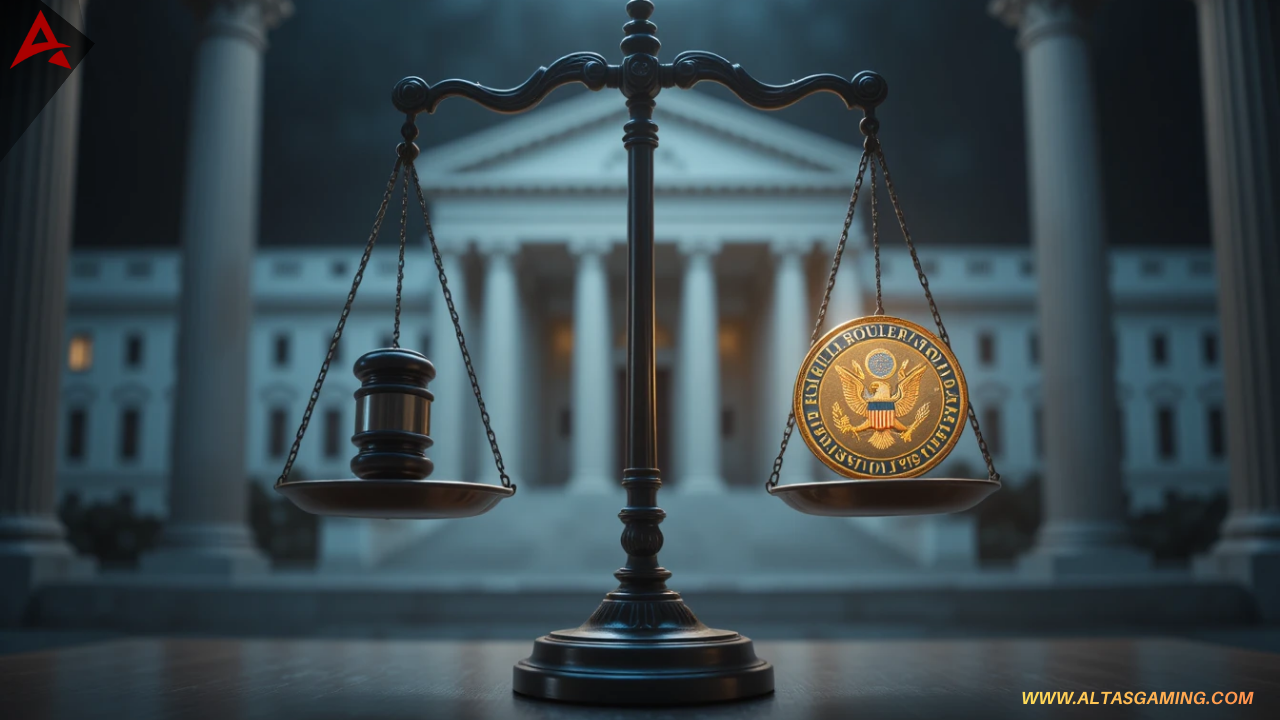
This confrontation is not about one man or one election.
It is about whether economic truth can survive political power.
If central banks lose independence, inflation becomes a political tool. Currencies become weapons. And long-term stability becomes collateral damage.
Even those who favor lower interest rates should recognize the danger: today’s pressure sets tomorrow’s precedent.
Once crossed, that line cannot easily be uncrossed.
What Ordinary People Should Understand
- Interest rates affect mortgages, savings, jobs, and inflation
- Fed independence protects households from political economic experiments
- Legal threats against policymakers create instability that ultimately hits consumers
This is not abstract. It will reach wallets.
Frequently Asked Questions (FAQ’s)
Is Jerome Powell being charged with a crime?
No formal charges have been announced. The issue centers on alleged threats or signals, not indictments.
Can a president fire the Fed chair?
Not easily. The Fed chair can only be removed “for cause,” and legal scholars strongly dispute whether policy disagreement qualifies.
Why does this matter globally?
Because the U.S. dollar and interest rates anchor the global financial system.
Could interest rates be cut because of this pressure?
Short-term cuts under political pressure would likely spook markets, not calm them.
Has this ever happened before?
Not in modern U.S. history at this scale or intensity.
Final Thought- A Stress Test for Democracy Itself
The clash between the White House, the DOJ, and the Federal Reserve is evolving into one of the most consequential institutional battles of the decade.
How it ends will shape:
- U.S. economic governance
- Global financial trust
- The future role of politics in monetary policy
The world is watching and the stakes could not be higher.
Table of Contents
- Resident Evil Requiem Becomes 2026’s Highest-Rated Game – A Survival Horror Masterpiece or an Overhyped Sequel That Loses Steam?
- Black Ops 7 Sets a New Standard for Tactical FPS Combat – But Controversy and Matchmaking Frustrations Spark Debate
- Ghostrunner 2 Free on Epic Games, A Cyberpunk Masterpiece of Relentless Action – or a Brutally Punishing Game That’s Too Hard to Love?
- Code Vein II Is a Beautiful Evolution – But Its Uneven World Holds It Back! Or Does It Still Lack the Crown? (Feb 2026)
- Nioh 3 Review- A Brutal Soulslike Masterpiece That Perfects Samurai Combat – Or an Unforgiving Grind That Pushes Players Too Far?
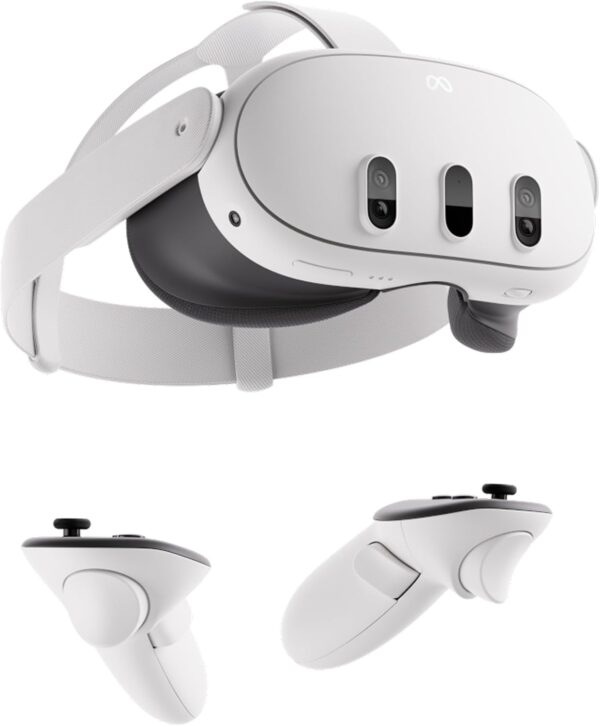
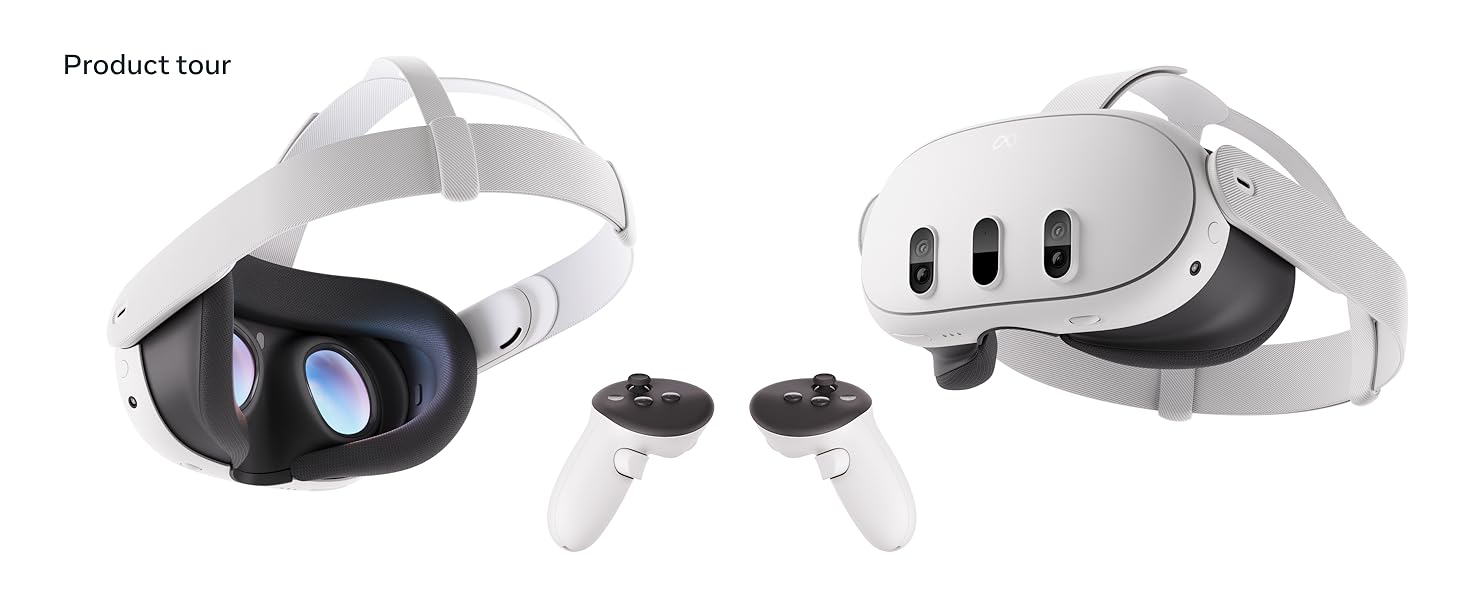
Meta Quest 3 512GB | VR Headset
Meta Quest 3 512GB | VR Headset
About this item
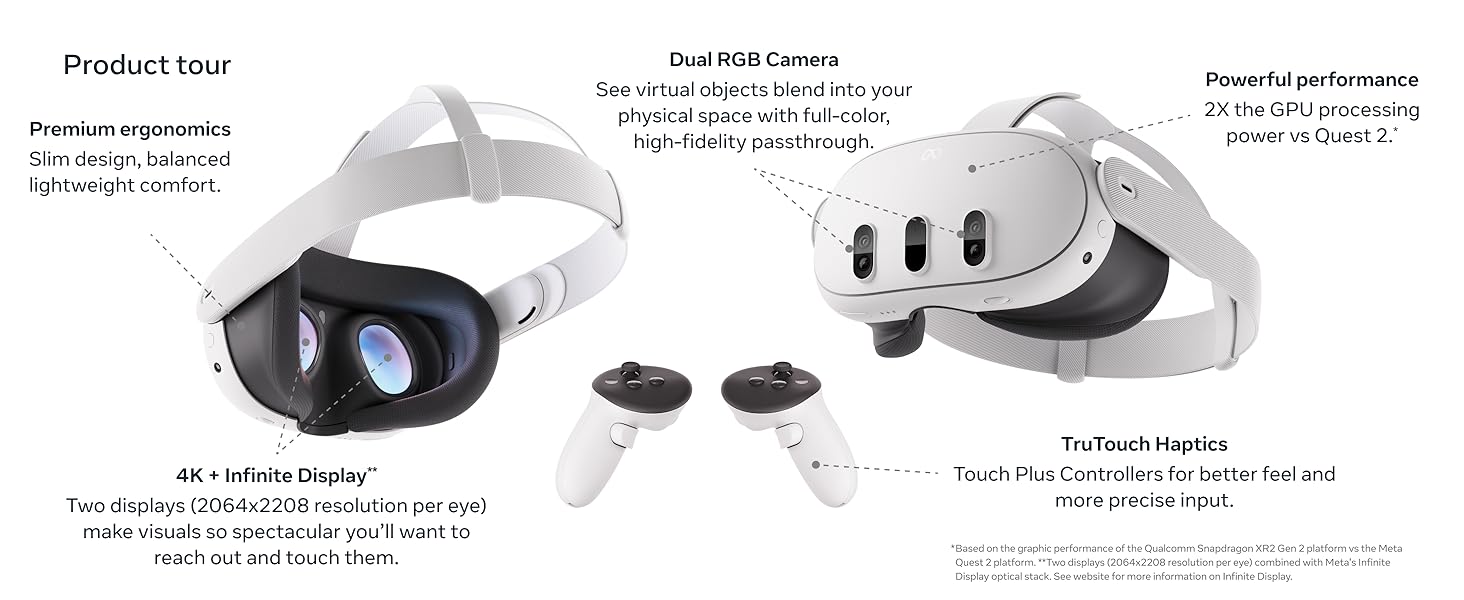
- NEARLY 30% LEAP IN RESOLUTION — Experience every thrill in breathtaking detail with sharp graphics and stunning 4K Infinite Display.
- NO WIRES, MORE FUN — Break free from cords. Play, exercise and explore immersive worlds— untethered and without limits.
- 2X GRAPHICAL PROCESSING POWER — Enjoy lightning-fast load times and next-gen graphics for smooth gaming powered by the Snapdragon XR2 Gen 2 processor.
- EXPERIENCE VIRTUAL REALITY — Blend virtual objects with your physical space and experience two worlds at once.
- 2+ HOURS OF BATTERY LIFE — Charge less, play longer and stay in the action with an improved battery that keeps up.
- 33% MORE MEMORY — Elevate your play with 8GB of RAM. Upgraded memory delivers a next-level experience fueled by sharper graphics and more responsive performance.
- DUAL RGB COLOR CAMERAS — Bring together your real and digital worlds with full-color, high-fidelity Passthrough powered by two RGB color cameras.
- INSTANT ACCESS TO 40+ GAMES — Unlock a 3-month trial when you purchase Quest. Dive into a growing games catalog, monthly drops and more.
-
From the manufacturer


Product information
Product Dimensions 4.72 x 4.72 x 4.72 inches Item Weight 14.1 ounces ASIN B0CD1JTBSC Item model number 899-00585-01 Batteries 1 Lithium Ion batteries required. (included) Customer Reviews 4.5 out of 5 stars
Best Sellers Rank - #253 in Electronics (See Top 100 in Electronics)
- #1 in Standalone Virtual Reality Headsets
- #1 in Wearable Tech Virtual Reality Gear
Date First Available September 26, 2023 Manufacturer Meta Language English Product Description
Get ready for the most powerful Meta Quest yet*. With mixed reality, stream shows on giant vibrant screens that you can adjust to the perfect size — all while you see the world around you. Dive into full immersion, where you’ll feel like you’re actually inside your favorite games, thanks to brilliant 4K resolution and rich spatial audio. With Infinite Display, enjoy the widest field of view of any Quest for the most immersive experiences yet. The slim, wireless design offers you premium comfort to move freely in workouts, or easily take your headset on the go. From complex games to vibrant movies, enjoy the ultimate experience with the power of Meta Quest 3. *Based on the graphic performance of the Qualcomm Snapdragon XR2 Gen 2 platform vs the Meta Quest 2 platform.





Leave a Reply