
JPMorgan Profit Falls on Investment-Banking Miss, Apple Card Charge – But Trading Strength Signals Resilience Amid Global Risks

Executive Summary
JPMorgan Chase & Co., the world’s largest bank by assets, delivered a mixed earnings report that highlights both the strength and vulnerability of the global financial system as 2026 begins. While trading revenue exceeded expectations, helping the bank top headline estimates, profits declined due to a miss in investment-banking revenue and charges tied to the Apple Card partnership.
CEO Jamie Dimon struck a cautiously confident tone, emphasizing that the U.S. economy remains resilient, while warning that war, geopolitical fragmentation, inflation risks, and policy uncertainty could quickly shift the outlook.
Key Earnings Highlights at a Glance
- Profit: Declined year-over-year due to non-core pressures
- Investment Banking: Weaker-than-expected dealmaking and advisory fees
- Trading Revenue: Strong performance, beating Wall Street forecasts
- Apple Card Charge: Ongoing costs linked to consumer credit and compliance
- CEO Outlook: Economy stable for now, but risks are rising globally
This earnings season confirms a critical trend: banks are thriving on volatility but struggling with structural shifts in finance and geopolitics.
Why JPMorgan’s Profit Fell Despite Beating Estimates
1. Investment Banking Miss- Deal Flow Still Fragile
JPMorgan’s investment-banking division underperformed, reflecting:
- Sluggish IPO activity
- Delayed mergers and acquisitions
- Corporate hesitation amid election-year uncertainty, wars, and rate volatility
Even large multinationals are holding back, waiting for clearer signals on:
- Federal Reserve rate cuts
- U.S.–China trade tensions
- Middle East and Eastern Europe conflicts
Hidden insight:
While many investors expect a dealmaking rebound, CEOs remain risk-averse, preferring balance-sheet strength over expansion.
2. Apple Card Charges- A Strategic Partnership Under Pressure
The Apple Card, once seen as a gateway to younger, tech-savvy consumers, has become a cost center for JPMorgan.
Key issues include:
- Higher-than-expected consumer credit losses
- Increased regulatory and compliance costs
- Pressure to renegotiate terms with Apple
What many don’t realize:
This is not just a JPMorgan problem it signals stress in Big Tech–bank partnerships, where user growth doesn’t always translate into profitability.
Trading Revenue Saves the Quarter
JPMorgan’s markets division delivered a standout performance, benefiting from:
- Elevated interest-rate volatility
- Currency swings in USD, EUR, and emerging markets
- Commodities volatility driven by war and supply disruptions
Bond and equity trading desks thrived as:
- Investors hedged geopolitical risk
- Institutions repositioned portfolios for a delayed rate-cut cycle
This confirms a key pattern:
📈 Volatility is now a core profit driver for major banks.
Jamie Dimon’s Message- Calm, But Not Comfortable
CEO Jamie Dimon emphasized that:
- The U.S. consumer remains strong
- Employment levels are supportive
- Corporate balance sheets are healthier than in past crises
However, he issued clear warnings about:
- Escalating wars and geopolitical flashpoints
- Supply-chain fragmentation
- Persistent inflation risks
- Government debt and fiscal stress
“We’re prepared for a wide range of outcomes but the world remains extremely uncertain.”
War and Geopolitical Risks- Why JPMorgan Is Cautious
Major Risk Zones Impacting Banks
- Middle East: Energy price shocks and shipping disruptions
- Ukraine–Russia: Long-term capital market fragmentation
- U.S.–China: Tech bans, financial decoupling, currency risk
- Red Sea & Global Trade Routes: Insurance and logistics costs rising
Why this matters for JPMorgan:
Banks sit at the center of global capital flows. Any disruption directly impacts:
- Lending
- Cross-border payments
- Trading liquidity
- Corporate confidence
Market Reaction- What Investors Are Watching
Despite the profit decline, markets focused on:
- Strong trading revenue
- Stable credit quality
- JPMorgan’s dominant balance sheet
Short-term sentiment remains neutral-to-positive, but investors are increasingly asking:
- When will investment banking recover?
- Can consumer credit stay resilient?
- Will geopolitical shocks overwhelm earnings strength?
Forecast- What’s Next for JPMorgan in 2026?
Base Case (Most Likely)
- Moderate earnings growth
- Trading remains strong
- Investment banking recovers slowly in H2 2026
Bull Case
- Rate cuts revive dealmaking
- Global tensions ease
- Consumer credit stabilizes
Bear Case
- War escalation
- Market shock or credit event
- Regulatory tightening on big banks
 ltas Opinion- Strategic Strength, Structural Headwinds

From an Altas perspective:
✅ JPMorgan remains the best-positioned global bank
⚠️ But traditional banking models are under pressure
🔄 Trading volatility cannot permanently replace dealmaking
Key takeaway:
JPMorgan is not weakening but the financial world it dominates is changing rapidly.
FAQ’s
Why did JPMorgan’s profit fall if it beat estimates?
Because non-core pressures investment-banking weakness and Apple Card charges offset strong trading revenue.
Is the Apple Card a failure?
Not entirely, but profitability and regulatory costs are forcing a rethink.
Is Jamie Dimon worried about a recession?
Not immediately but he is deeply concerned about geopolitical risks.
Is JPMorgan still a safe investment?
Relative to peers, yes but macro risks remain elevated.
Will wars impact U.S. banks directly?
Indirectly through markets, energy prices, and global confidence yes.
Final Takeaway
JPMorgan’s latest results reveal a bank strong enough to weather storms but realistic enough to see them coming. As wars, politics, and market volatility reshape global finance, JPMorgan stands resilient yet far from immune.
The message is clear:
Stability today does not guarantee certainty tomorrow.
Table of Contents
- Resident Evil Requiem Becomes 2026’s Highest-Rated Game – A Survival Horror Masterpiece or an Overhyped Sequel That Loses Steam?
- Black Ops 7 Sets a New Standard for Tactical FPS Combat – But Controversy and Matchmaking Frustrations Spark Debate
- Ghostrunner 2 Free on Epic Games, A Cyberpunk Masterpiece of Relentless Action – or a Brutally Punishing Game That’s Too Hard to Love?
- Code Vein II Is a Beautiful Evolution – But Its Uneven World Holds It Back! Or Does It Still Lack the Crown? (Feb 2026)
- Nioh 3 Review- A Brutal Soulslike Masterpiece That Perfects Samurai Combat – Or an Unforgiving Grind That Pushes Players Too Far?
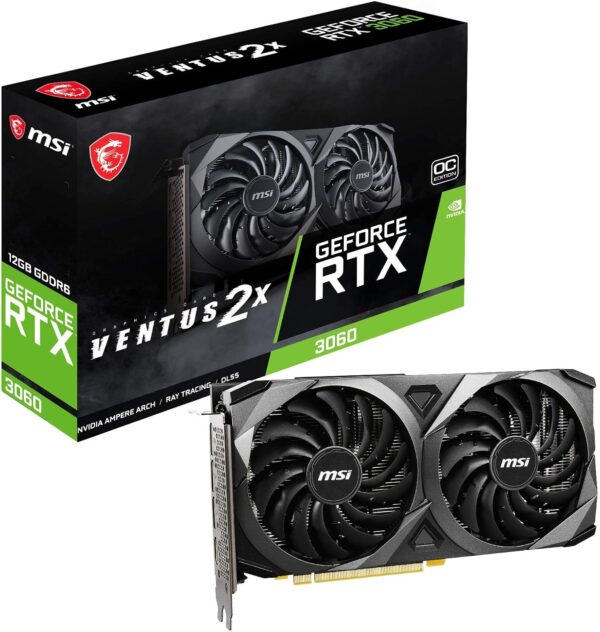
MSI Gaming GeForce RTX 3060 12GB Graphics Card
Product Description
The GeForce RTX 3060 lets you take on the latest games using the power of Ampere, NVIDIA’s 2nd generation RTX architecture. Get incredible performance with enhanced Ray Tracing Cores and Tensor Cores, new streaming multiprocessors, and high-speed G6 memory.
From the manufacturer
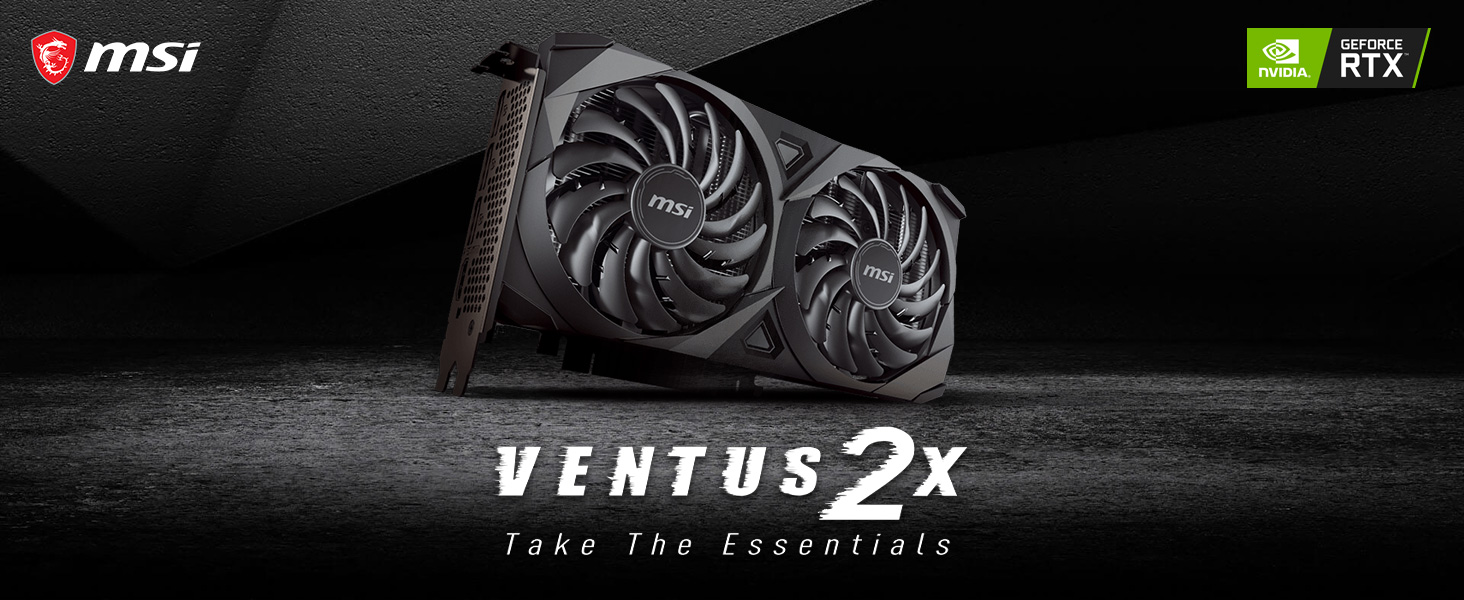

Ray Tracing
Ray tracing is the holy grail of gaming graphics, simulating the physical behavior of light to bring real-time, cinematic-quality rendering to even the most visually intense games.

Traces of Brilliance
Tailored PCB Design
Not all circuit boards are created equal. A custom PCB Design provides greater reliability and beefed up power circuitry for pushing the card to its limits.



Bringing It All Together
MSI Center
MSI’s exclusive MSI Center software helps you get the most out of your MSI products. Monitor, tweak and optimize in real-time with just a few clicks.
Leave a Reply