
World’s Top Militaries and the Rise of Hybrid Weapons (2026)
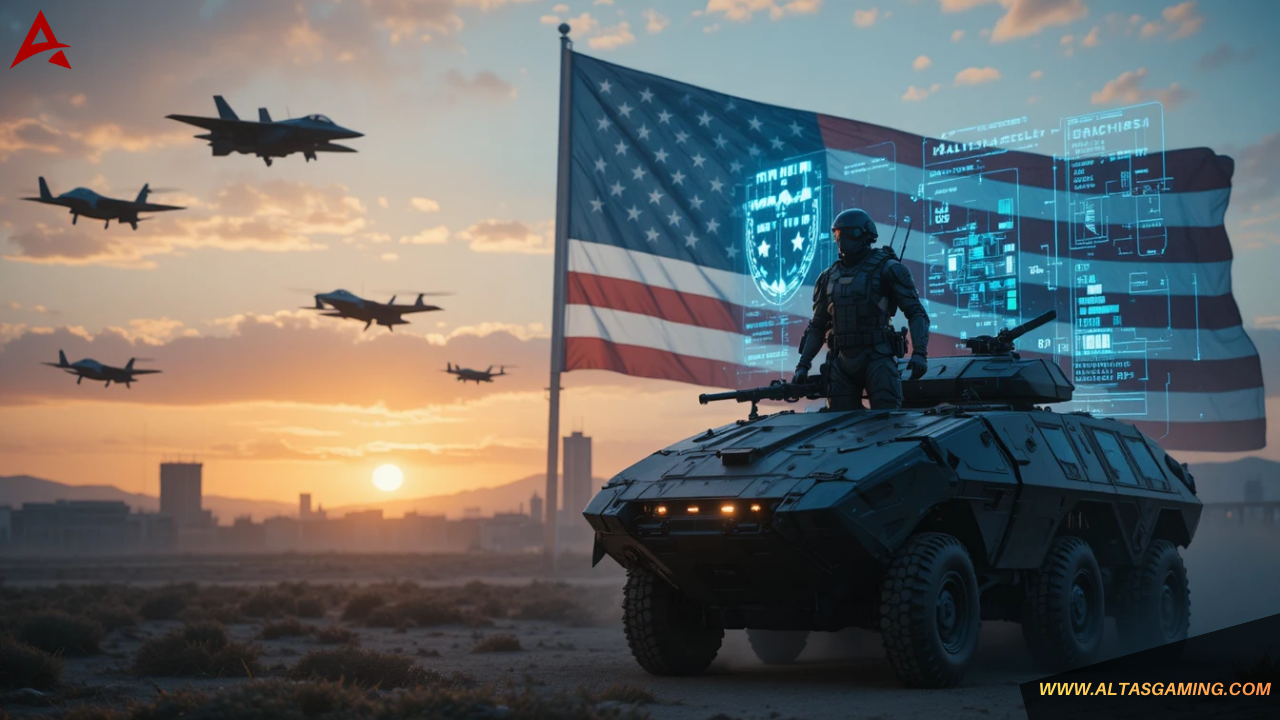
How Gray-Zone Warfare, Lawfare, AI, and Next-Gen Armor Are Redefining Global Power
Introduction: War Without War Has Become the New Normal
By 2026, global military power is no longer defined solely by aircraft carriers, nuclear warheads, or troop numbers. Instead, hybrid warfare the fusion of conventional weapons, cyber attacks, space assets, economic coercion, information warfare, and legal manipulation has become the dominant strategy among world powers.
From China’s advanced hybrid tanks and AI-enabled command systems, to Russia’s gray-zone weapons, America’s next-generation armored platforms, and Ukraine’s underestimated military transformation, modern conflict is being fought below the threshold of declared war.
This article examines:
- The world’s top militaries in 2026
- Their most powerful hybrid weapons
- The role of international law and deterrence by denial
- Geopolitical implications, forecasts, and hidden realities most people miss
What Is Hybrid Warfare? (And Why It Matters More Than Nukes)

Hybrid warfare combines:
- Conventional military force
- Cyber warfare & electronic warfare
- Space and satellite disruption
- Economic pressure & sanctions
- Disinformation and psychological operations
- Legal warfare (“lawfare”)
- Proxy forces and deniability
The goal is victory without escalation to paralyze an enemy politically, economically, and socially before tanks roll or missiles fly.
Legal Deterrence by Denial- Law as a Battlefield
The Gray-Zone Strategy
Major powers increasingly exploit legal ambiguity:
- Operating below NATO’s Article 5 threshold
- Using civilian or “dual-use” assets
- Weaponizing international law delays
Deterrence by denial focuses on making aggression unprofitable, not merely punishable.
Key Insight (Often Overlooked):
The next wars may be won in courts, trade regimes, and information spaces long before kinetic conflict begins.
Global Firepower Index 2025–2026- Top 6 Militaries
1. United States
- Still the most powerful overall military
- Unmatched global logistics, air power, and naval reach
- Facing urgent pressure to modernize armored warfare
2. China
- Fastest modernizing military in history
- Dominant in hybrid and gray-zone capabilities
- Closing the qualitative gap with the U.S.
3. Russia
- Despite sanctions, remains a hybrid warfare innovator
- Extensive experience in information, cyber, and proxy warfare
4. India
- Massive manpower and growing tech integration
- Expanding naval and missile forces
5. South Korea
- One of the world’s most technologically advanced militaries
- AI-enabled command systems and precision strike capability
6. United Kingdom
- Smaller force, but highly integrated with NATO intelligence and cyber assets
China’s New Hybrid Weapons & Advanced Tank- A Game Changer

China’s New Main Battle Tank (Next-Gen)
China’s latest tank platforms reportedly feature:
- AI-assisted targeting
- Networked battlefield awareness
- Drone-tank integration
- Active protection systems rivaling Western tech
Why It Matters:
China is designing armor not just to survive missiles-but to fight in data-saturated hybrid battlefields.
Hybrid Weapons Beyond Tanks
- Hypersonic glide vehicles
- Anti-satellite weapons
- Cyber-electronic warfare fusion
- Maritime militia (civilian vessels used militarily)
America’s Challenge- The Next Armored Vehicle Must Outclass China
The U.S. Army faces a stark reality:
- Legacy platforms like Abrams tanks are powerful but heavy
- Future warfare demands mobility, AI, and survivability
U.S. Focus Areas:
- Optionally manned vehicles
- AI battle management
- Integrated drone swarms
- Multi-domain operations (land, cyber, space)
Hidden Risk:
If modernization slows, U.S. dominance could erode in regional conflicts, even without losing global superiority.
Russia’s Hybrid Weapons- War Below the Radar
Russia remains the most experienced hybrid warfare practitioner.
Core Russian Hybrid Tools:
- Electronic warfare that disrupts GPS and drones
- Cyber attacks on infrastructure
- Energy leverage
- Information warfare targeting elections and morale
Despite battlefield losses, Russia’s gray-zone capabilities remain potent and exportable.
Ukraine- The Most Underrated Military Transformation
Ukraine’s military strength is often underestimated.
Why Ukraine Matters Globally:
- Combat-tested against a major power
- Rapid innovation under pressure
- Integration of drones, AI, and Western systems
Ukraine has become:
A living laboratory for 21st-century warfare
Its experience is reshaping NATO doctrines faster than any white paper ever could.
Other Major Hybrid Military Powers
France
- Strong nuclear deterrent
- Cyber and space warfare integration
- African expeditionary experience
Italy
- Advanced naval and aerospace industries
- Mediterranean hybrid security role
Turkey
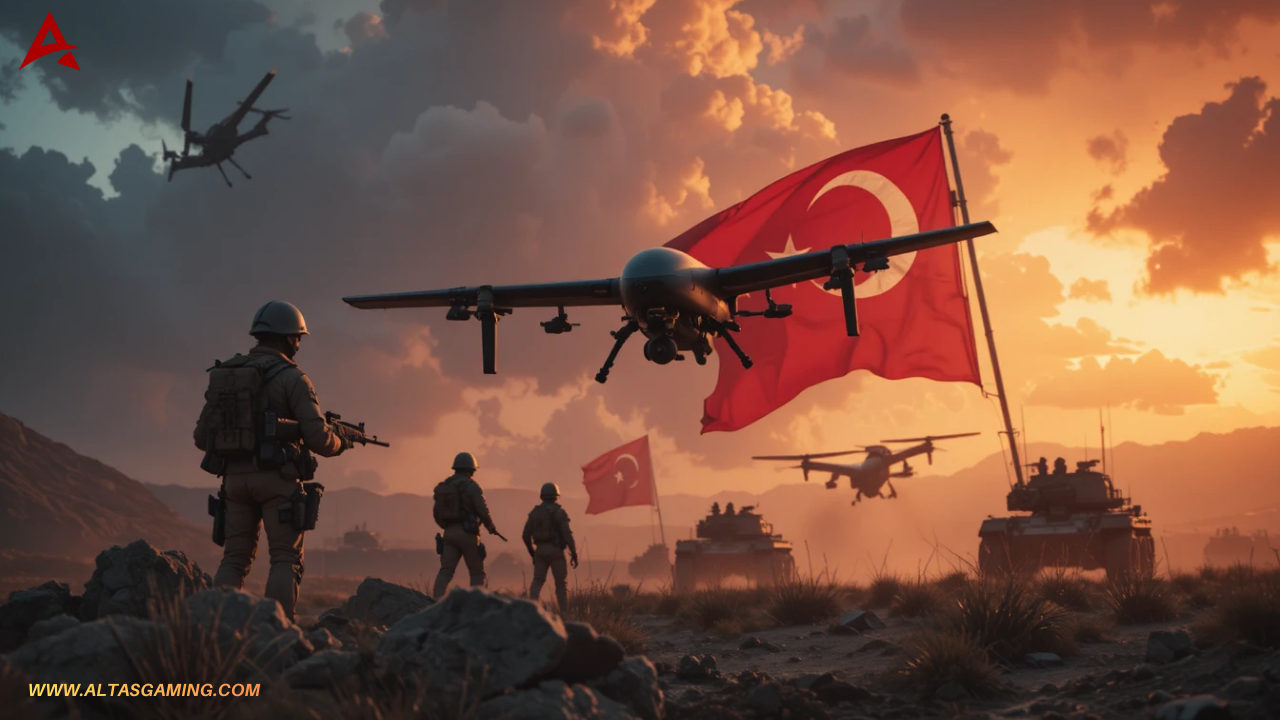
- Drone superpower (Bayraktar legacy)
- Balancing NATO and regional ambitions
- Hybrid operations in Syria, Libya, Caucasus
North Korea
- Hybrid through unpredictability
- Cyber theft, missile diplomacy, information warfare
South Korea
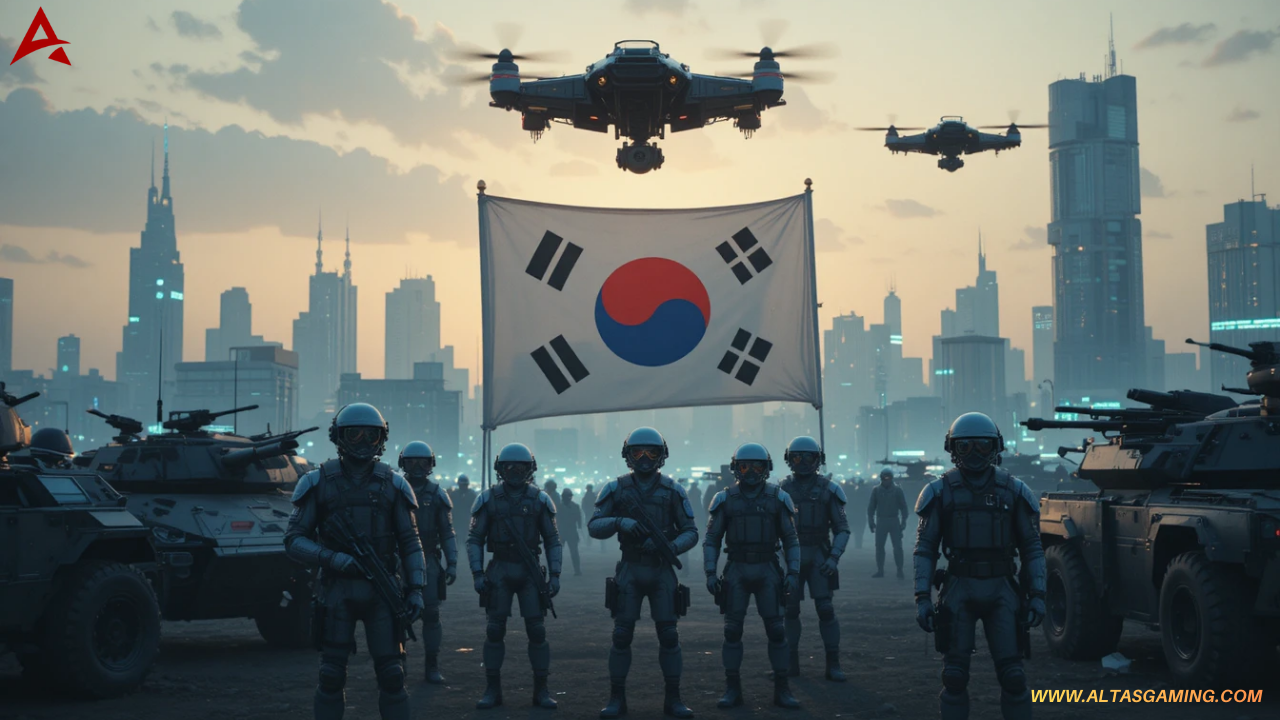
- AI-driven military planning
- Missile defense and precision strike dominance
The Largest Armies in the World (2026)
By manpower:
- China
- India
- United States
- North Korea
- Russia
But size no longer guarantees power integration and technology matter more.
Geopolitical Forecast- Where Hybrid Wars Are Headed
Key Trends (2026–2030)-
- More conflicts without declarations of war
- Expanded cyber and space sabotage
- Increased weaponization of trade & minerals
- AI-accelerated decision cycles
Flashpoints to Watch-
- Taiwan Strait
- South China Sea
- Eastern Europe
- Middle East gray-zone escalation
- Arctic militarization
 ltas Opinion- The Most Dangerous Illusion
The greatest danger today is believing war looks like the past.
Hybrid warfare blurs peace and conflict so thoroughly that societies may already be under attack without realizing it.
Military power in 2026 is not about who fires first but who controls escalation, narrative, and denial.
FAQ’s- What People Need to Know
Q1: Are hybrid weapons more dangerous than nuclear weapons?
Yes because they are usable every day without triggering global retaliation.
Q2: Can international law stop hybrid warfare?
Not alone. Law must be combined with deterrence by denial and rapid enforcement.
Q3: Is China overtaking the U.S. militarily?
Not globally but regionally, China is becoming extremely formidable.
Q4: Why is Ukraine so important militarily?
It has compressed decades of military learning into years under live combat conditions.
Q5: Will future wars be declared?
Unlikely. Most conflicts will remain undeclared, deniable, and continuous.
Final Thought
The world’s most powerful militaries are no longer preparing just for war they are preparing to win without war.
Those who fail to adapt to hybrid conflict risk losing before the first shot is fired.
Table of Contents
- Resident Evil Requiem Becomes 2026’s Highest-Rated Game – A Survival Horror Masterpiece or an Overhyped Sequel That Loses Steam?
- Black Ops 7 Sets a New Standard for Tactical FPS Combat – But Controversy and Matchmaking Frustrations Spark Debate
- Ghostrunner 2 Free on Epic Games, A Cyberpunk Masterpiece of Relentless Action – or a Brutally Punishing Game That’s Too Hard to Love?
- Code Vein II Is a Beautiful Evolution – But Its Uneven World Holds It Back! Or Does It Still Lack the Crown? (Feb 2026)
- Nioh 3 Review- A Brutal Soulslike Masterpiece That Perfects Samurai Combat – Or an Unforgiving Grind That Pushes Players Too Far?

HIDevolution 2025 MSI Claw A1M 7″ FHD 120Hz, 1.4 GHz Ultra 7-155H, Arc Graphics, 16 GB LPDDR5 RAM, 2 TB PCIe SSD, Windows 11 Home
MSI Claw A1M
| Brand | HIDevolution |
| Model Name | Claw A1M-051US |
| Screen Size | 7 Inches |
| Color | 7″ FHD | Ultra 7-155H | Arc Graphics | 11 Home |
| Hard Disk Size | 2 TB |
| CPU Model | Intel Mobile CPU |
| Ram Memory Installed Size | 16 GB |
| Operating System | Windows 11 Home |
| Special Feature | Memory Card Slot |
| Graphics Card Description |
Leave a Reply