Oil’s Long Descent, The Collapse That Rewrote the Energy Market
Introduction
A New Year Opens With Oil Already on the Back Foot
Oil prices entered the new trading year quietly but ominously settling lower after closing out their steepest annual decline since the Covid-19 pandemic. Unlike past crashes driven by sudden catastrophes, this fall unfolded slowly, relentlessly, and with growing inevitability.
The market didn’t panic. It accepted the loss.
That acceptance may be the most alarming signal of all.
Why This Decline Is Different From Every Other Oil Crash
Historically, oil crashes follow a clear trigger
Oil Suffers Its Worst Year, Since Covid and the Damage Isn’t Over
War ends
Demand collapses
Supply floods the market
This time, there was no single breaking point. Instead, oil was worn down by a combination of structural pressures that steadily erased its pricing power.
This wasn’t an accident. It was erosion.
Historical Context Oil’s Power Cycles Explained
Oil has always moved in long, violent cycles.
1970s–2000s Scarcity Era
Supply shocks dominated pricing
Geopolitics ruled markets
Demand growth felt endless
2008–2019 Volatility Era
Financialization of oil markets
U.S. shale disrupted control
Prices became more reactive
2020–Now The Transition Era
Energy diversification
Efficiency gains
Demand growth no longer guaranteed
This latest collapse confirms oil has entered a new historical phase one where it no longer commands fear.
The Demand Problem Runs Deeper Than Headlines
The market’s real anxiety isn’t recession it’s structural demand fatigue.
Oil Suffers Its Worst Year, Since Covid and the Damage Isn’t Over
Key long-term pressures
Slower population growth in major economies
Electric vehicle adoption reducing fuel growth
Industrial efficiency gains
Changing investor priorities
Even when economies grow, they no longer consume oil at the same pace.
This breaks the old formula where growth = higher crude prices.
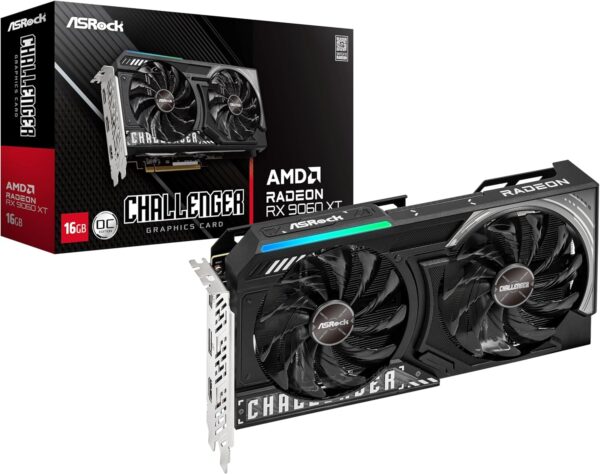
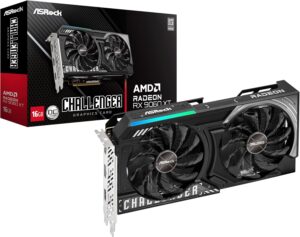
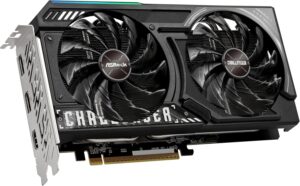
Uncompromising Performance for Demanding Gamers Dominate the latest AAA titles with the ASRock Radeon RX 9060 XT Challenger 16GB OC. Built on AMD’s RDNA 4 architecture, this GPU combines a blazing 3300 MHz Boost Clock and 32 Compute Units with 3rd Gen Ray Tracing + 2nd Gen AI acceleration for stunning visuals and intelligent performance. The massive 16GB GDDR6 VRAM (20 Gbps) effortlessly handles 4K textures and multitasking, while PCIe 5.0 ensures maximum bandwidth for next-gen gaming. Smart Cooling, Silent Operation Engineered for efficiency, the Challenger features a dual-fan design with optimized Striped Ring Fans and Ultra-fit Heatpipes that maximize thermal dissipation. The 0dB Silent Cooling technology halts fans during idle or light use, eliminating noise without sacrificing thermals. Protected by a rigid metal backplate and Military-Grade Super Alloy components, this card maintains peak stability even during marathon sessions. Ready for Tomorrow’s Gaming Equipped with HDMI 2.1b and DisplayPort 2.1a outputs, this GPU supports 8K/120Hz and 4K/240Hz displays for immersive gameplay. DirectX 12 Ultimate compatibility unlocks advanced ray tracing and AI-enhanced features. Whether you’re pushing high resolutions or streaming content, the RX 9060 XT Challenger 16GB OC delivers exceptional value with its future-proofed design and robust cooling.


 LTAS OPINION Oil Has Entered Its “Post-Dominance” Phase







Leave a Reply