Peter Arnett, The War Correspondent Who Stood Where History Unfolded
Introduction
Peter Arnett, the Pulitzer Prize–winning journalist whose calm voice and unflinching presence brought the realities of war into living rooms across the world, has died at the age of 91. Over a career spanning more than four decades, Arnett became one of the most recognizable and controversial war correspondents in modern journalism a reporter who believed that bearing witness was a duty, not a choice.
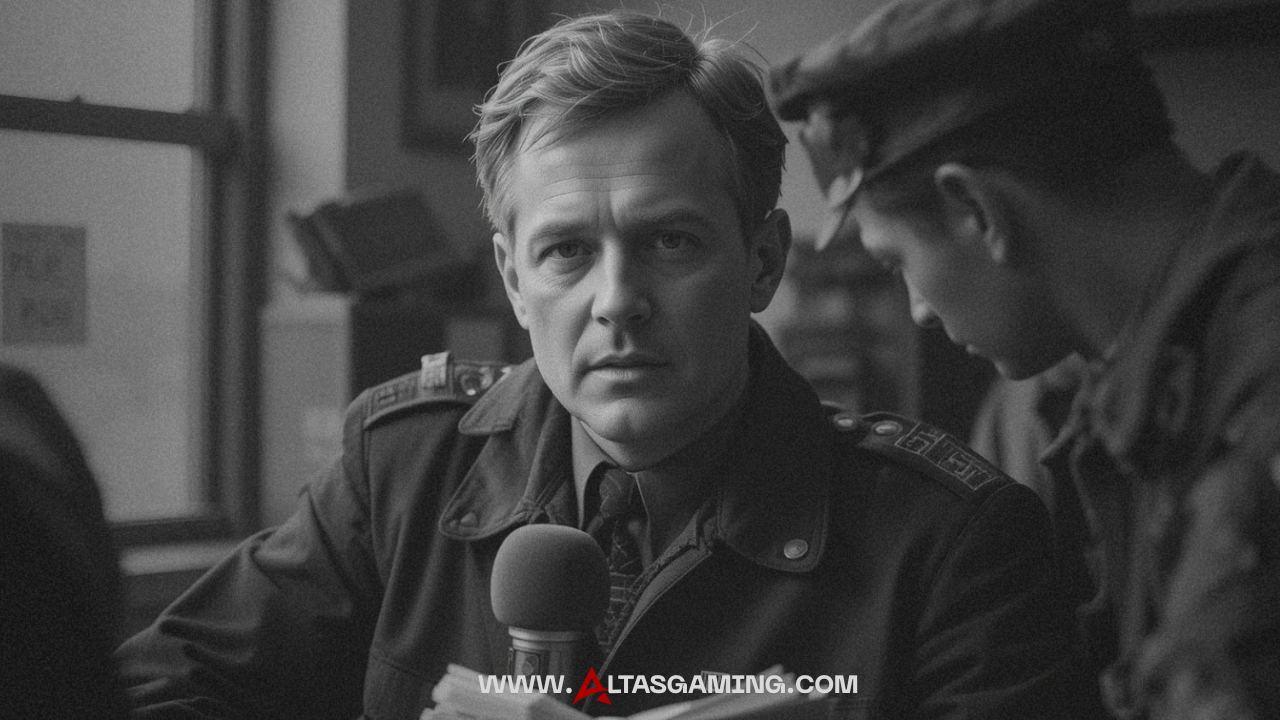
From the jungles of Vietnam to the bomb-lit nights of Baghdad, Arnett did not merely report history he stood inside it.
Early Life and Foundations
Peter Gregg Arnett was born in 1934 in Riverton, New Zealand. Raised in a country far from global power centers, Arnett developed an early curiosity about the wider world. That curiosity would eventually lead him into the most dangerous places on Earth.
Before entering international journalism, Arnett worked in regional reporting roles, learning the fundamentals of storytelling, verification, and human-centered reporting skills that would later define his work in war zones.
The Vietnam War and the Pulitzer Prize
Arnett’s career-defining chapter began with The Associated Press during the Vietnam War.
A Reporter on the Ground
Unlike many correspondents who relied on official briefings, Arnett reported directly from
- combat zones
- civilian areas
- hospitals and refugee centers
He focused not only on military movements but on human cost, often challenging official narratives.
Pulitzer Prize Achievement
In 1966, Peter Arnett was awarded the Pulitzer Prize for International Reporting for his courageous and insightful coverage of the Vietnam War. His reporting stood out for
- accuracy under extreme pressure
- independence from political influence
- willingness to publish uncomfortable truths
The award cemented his reputation as one of the most trusted voices in war journalism.
Beyond Vietnam A Career Defined by Conflict
Following Vietnam, Arnett continued covering major global conflicts, refusing safer assignments in favor of frontline reporting.
Major Conflicts Covered
- Vietnam War
- Middle East conflicts
- Central America (including Nicaragua)
- Balkan conflicts
- The Gulf War (1991)
Each assignment reinforced his belief that journalists must see events firsthand, regardless of personal risk.
CNN and the Gulf War A Global Icon Emerges
Arnett joined CNN, where he spent nearly two decades as one of the network’s most prominent international correspondents.
Baghdad, 1991
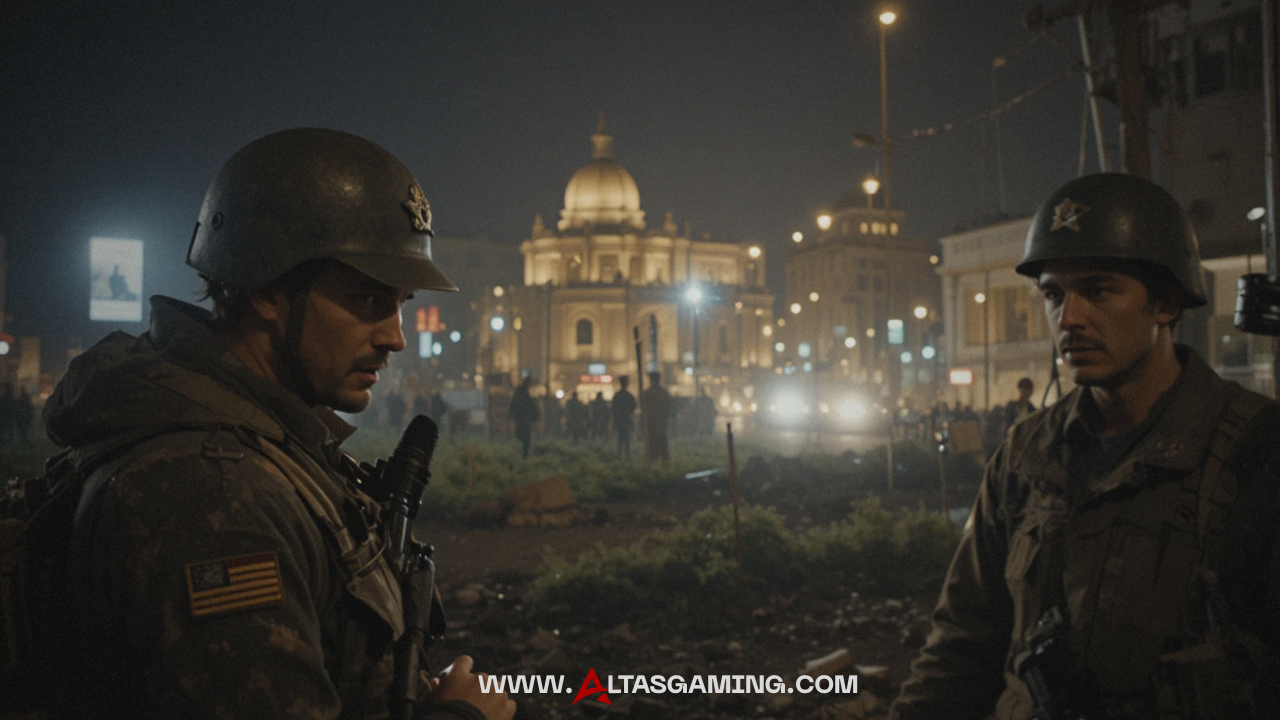
During the Gulf War, Arnett remained in Baghdad while many reporters evacuated. His calm live reports during air raids became historic television moments.
For millions worldwide, Arnett’s voice became synonymous with
- real-time war coverage
- journalistic bravery
- unfiltered eyewitness reporting
His Baghdad broadcasts marked one of the first times global audiences experienced war live, as it happened.
Controversy and Professional Challenges
Arnett’s career was not without controversy. His insistence on reporting facts from the ground even when they conflicted with official government positions drew criticism, particularly during wartime.
Despite professional setbacks later in his career, including brief departures from major networks, Arnett never disavowed his core principle
A reporter’s loyalty is to the truth, not power.
Later Career and Final Years
After CNN, Arnett continued working in journalism and broadcasting, including a short tenure with NBC/MSNBC. Though he gradually stepped away from frontline reporting, his influence remained strong among journalists and media scholars.
In his later years, Arnett was widely regarded as a living symbol of old-school war reporting, in contrast to modern, studio-based conflict coverage.
Achievements and Legacy
Career Highlights
- Pulitzer Prize for International Reporting (1966)
- Decades of frontline war reporting
- Pioneered live television war coverage
- Influenced generations of conflict journalists
Lasting Impact
Peter Arnett helped redefine war journalism by proving that:
- proximity matters
- neutrality requires courage
- truth often carries a cost
His work remains a benchmark for ethical conflict reporting.
 ltas Opinion Peter Arnett Belonged to a Vanishing Breed
From Altas’ perspective, Peter Arnett represented a form of journalism that is increasingly rare.

What Made Him Different
- He reported from danger, not distance
- He resisted patriotic framing in favor of facts
- He treated civilians as central, not secondary
Why His Death Matters
Arnett’s passing marks more than the loss of an individual it marks the fading of an era when war correspondents were expected to stand where the bombs fell.
Altas Verdict
Peter Arnett did not seek approval. He sought accuracy. In doing so, he reminded the world that journalism’s highest duty is not comfort it is truth.
FAQs
Q1: Why is Peter Arnett considered controversial by some critics?
Altas Answer: Because he reported events as he witnessed them, even when those facts challenged official narratives.
Q2: Did Peter Arnett ever regret staying in active war zones?
Altas Answer: He consistently stated that witnessing history firsthand was essential to honest reporting.
Q3: How did Arnett change television journalism?
Altas Answer: He normalized live, real-time war reporting from inside conflict zones.
Q4: Is Peter Arnett’s style still practiced today?
Altas Answer: Rarely. Modern conflict reporting relies more on remote analysis than frontline presence.
Q5: What should young journalists learn from Arnett’s career?
Altas Answer: Courage must be matched with integrity one without the other is meaningless.
Table of Contents
- Is World War 3 coming Iran–Israel–USA Conflict 2026 The Complete Story, Hidden Tensions, and What Could Happen Next
- Taiwan Invasion by 2027 – But the Real War for AI, Chips, and Global Power Has Already Begun
- Resident Evil Requiem Becomes 2026’s Highest-Rated Game – A Survival Horror Masterpiece or an Overhyped Sequel That Loses Steam?
- Black Ops 7 Sets a New Standard for Tactical FPS Combat – But Controversy and Matchmaking Frustrations Spark Debate
- Ghostrunner 2 Free on Epic Games, A Cyberpunk Masterpiece of Relentless Action – or a Brutally Punishing Game That’s Too Hard to Love?

Dark Flash ATX Mid-Tower PC Case
| Brand | darkFlash |
| Motherboard Compatability | ATX |
| Case Type | Mid Tower |
| Recommended Uses For Product | Gaming |
| Color | Black |
| Material | Tempered Glass, Metal |
| Power Supply Mounting Type | Bottom Mount |
| Cooling Method | Water, Air |
| Model Name | DS900 |
| Light Color | RGB |
Leave a Reply