Roomba Maker iRobot Files for Bankruptcy A Crisis Years in the Making
For nearly two decades, Roomba was the face of home robotics.
It wasn’t just a vacuum it was proof that robots could quietly improve daily life.
Now, iRobot’s bankruptcy filing has transformed that symbol of progress into a case study of how hardware, software, and financial reality collide.
This is not a sudden collapse.
It’s the result of years of pressure, miscalculations, and a rapidly changing tech landscape.
The Golden Era How iRobot Built a Smart-Home Empire
Before “smart home” became a buzzword, iRobot was already there.
Why Roomba Succeeded Early
- First-mover advantage in robotic cleaning
- Simple value proposition: set it and forget it
- Strong consumer trust
- Reliable hardware engineering
- No early subscription dependency
Roomba felt like future tech without the future headaches.
But that simplicity didn’t survive the modern smart-device era.
What Actually Broke iRobot’s Business Model
The bankruptcy filing is officially framed as a strategic restructuring but several structural issues pushed iRobot toward the edge.
The Smart-Home Market Turned Brutal
What was once a premium niche became a price war.
- New competitors offered similar features for half the price
- Online marketplaces flooded with alternatives
- Consumers became less brand-loyal
Roomba went from category creator to expensive option.
Hardware Margins Couldn’t Support Software Reality
Modern Roombas are no longer “just vacuums.”
They require
- Cloud servers
- App maintenance
- AI navigation updates
- Security patches
- Customer support infrastructure
Hardware margins alone couldn’t carry these long-term costs.
Cloud Dependency Became a Liability
Cloud features were once selling points
- Smart maps
- Voice assistant integration
- Advanced scheduling
But they also locked iRobot into permanent operational expenses even when device sales slowed.
Strategic Setbacks and Missed Opportunities
Failed partnerships, delayed deals, and regulatory hurdles weakened investor confidence.
Instead of expanding, iRobot found itself defending survival.
The “Bricking” Fear Why Users Panicked Immediately
When iRobot announced bankruptcy, consumer reaction was instant and understandable.
Why Smart-Device Owners Fear Bankruptcy
- Servers can be shut down
- Apps can stop receiving updates
- Authentication systems can fail
- Features can silently disappear
Users don’t fear broken hardware
They fear dead software.
iRobot’s Response Calm Words, Careful Promises
iRobot moved quickly to reassure customers.
What the Company Promised
- No immediate shutdown of cloud services
- Devices will continue operating
- Existing customers will remain supported
This messaging was critical but also carefully worded.
The Real Question How Long Is “Not Bricked”?
Bankruptcy protection buys time not certainty.
Possible Future Scenarios
Best Case
- Successful restructuring
- New ownership or investment
- Continued cloud services
- Stable long-term support
Middle Ground
- Reduced updates
- Limited innovation
- Cloud services maintained at minimum cost
Worst Case
- Servers shut down
- App functionality reduced
- Devices revert to “dumb” vacuums
No scenario is guaranteed and that uncertainty is the real problem.
What Roomba Owners Should Know Right Now
What Still Works
- Basic cleaning
- Physical navigation
- Local hardware functions
What Depends on iRobot’s Survival
- Smart mapping
- App-based controls
- AI navigation improvements
- Ecosystem integrations
Your Roomba isn’t useless
But its future intelligence is uncertain.
The Bigger Picture Smart-Home Ownership Is Changing
Roomba’s situation exposes a truth many consumers overlook
If your product needs a server, you don’t fully own it.
Industry-Wide Implications
- Consumers are rethinking cloud-locked devices
- Demand for offline functionality is growing
- Trust is becoming a competitive advantage
iRobot isn’t alone it’s just the first major brand to fall this visibly.
 ltas Opinion This Isn’t Roomba’s Failure Alone
At Altas, we believe this moment marks a turning point not just for iRobot, but for how smart technology is sold and trusted.
Our Deep Take
Smart Hardware Needs Exit Strategies
Consumers deserve a “what if the company disappears?” plan.
Cloud Features Should Be Optional, Not Mandatory
Offline modes should be standard not premium.
Longevity Is the New Luxury
A device that works for 10 years beats one that’s “smart” for three.
iRobot’s Legacy Still Matters
Roomba made robotics mainstream that achievement doesn’t vanish with bankruptcy.
This Will Shape Future Buying Decisions
Smart-home brands that ignore this lesson will lose trust.
Altas verdict
Roomba didn’t fail users the industry failed to protect them.
FAQs
Q1: Can Roombas be modified to work without iRobot servers?
Technically possible, but not officially supported.
Q2: Could another company buy iRobot and keep services alive?
Yes and that’s one of the most likely outcomes.
Q3: Will older Roombas be affected first?
Most likely, as newer models receive priority support.
Q4: Is this the end of premium robot vacuums?
No but it’s the end of blind premium pricing.
Q5: Should smart-home devices be regulated differently?
This case strongly suggests yes.
Table of Contents
- Is World War 3 coming Iran–Israel–USA Conflict 2026 The Complete Story, Hidden Tensions, and What Could Happen Next
- Taiwan Invasion by 2027 – But the Real War for AI, Chips, and Global Power Has Already Begun
- Resident Evil Requiem Becomes 2026’s Highest-Rated Game – A Survival Horror Masterpiece or an Overhyped Sequel That Loses Steam?
- Black Ops 7 Sets a New Standard for Tactical FPS Combat – But Controversy and Matchmaking Frustrations Spark Debate
- Ghostrunner 2 Free on Epic Games, A Cyberpunk Masterpiece of Relentless Action – or a Brutally Punishing Game That’s Too Hard to Love?
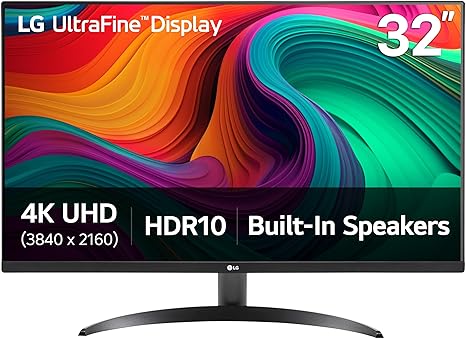
LG 32UR500K-B Ultrafine 32-inch 4K UHD
| Brand | LG |
| Screen Size | 31.5 Inches |
| Resolution | 4K UHD 2160p |
| Aspect Ratio | 16:9 |
| Screen Surface Description | Matte |
Leave a Reply