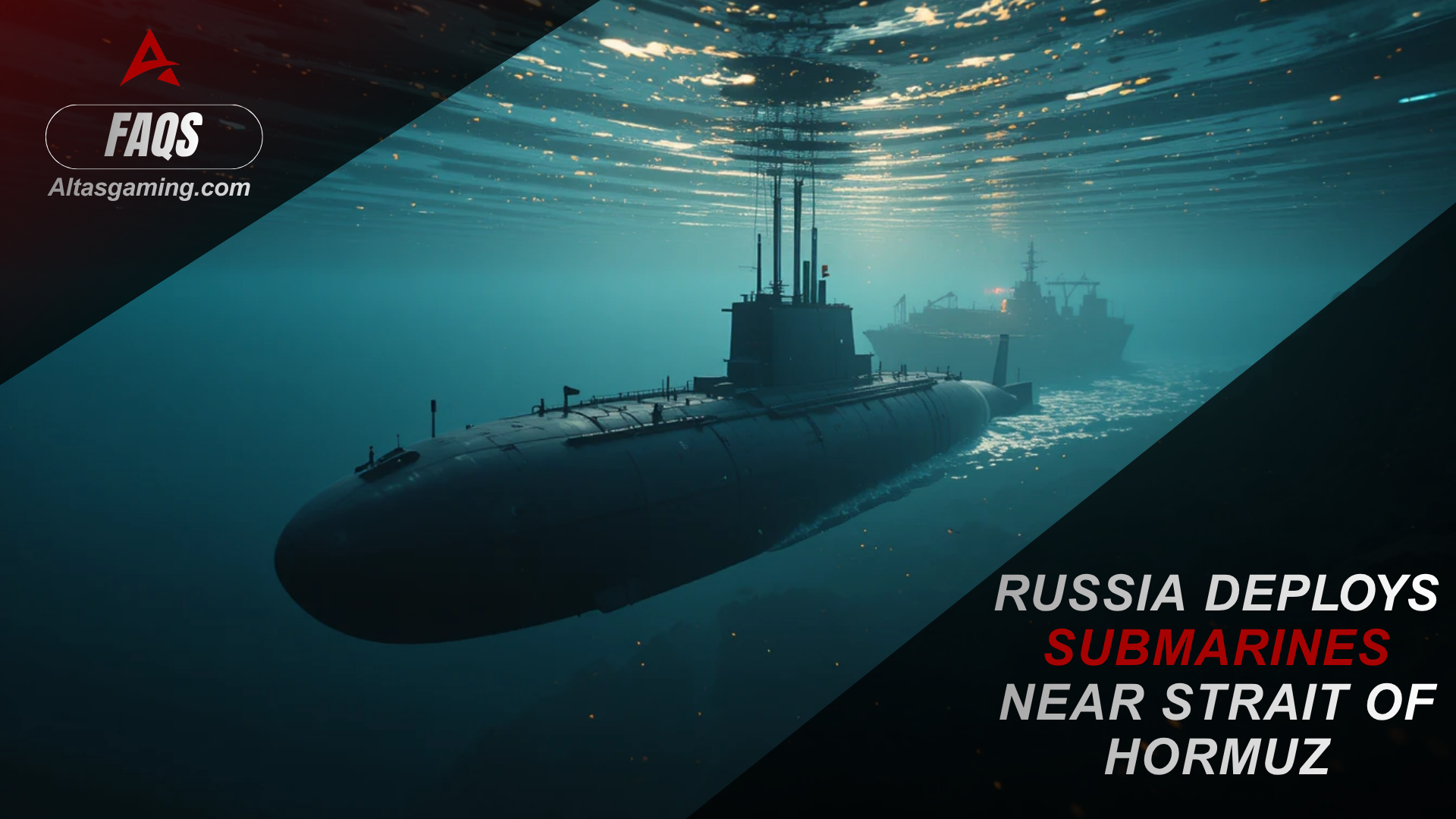
Russia Deploys Submarines Near Strait of Hormuz A Strategic Warning to the West?
Tensions in the Middle East have taken a dramatic turn following reports that Russia has deployed multiple submarines reportedly including nuclear-capable vessels near the critical waters of the Strait of Hormuz.
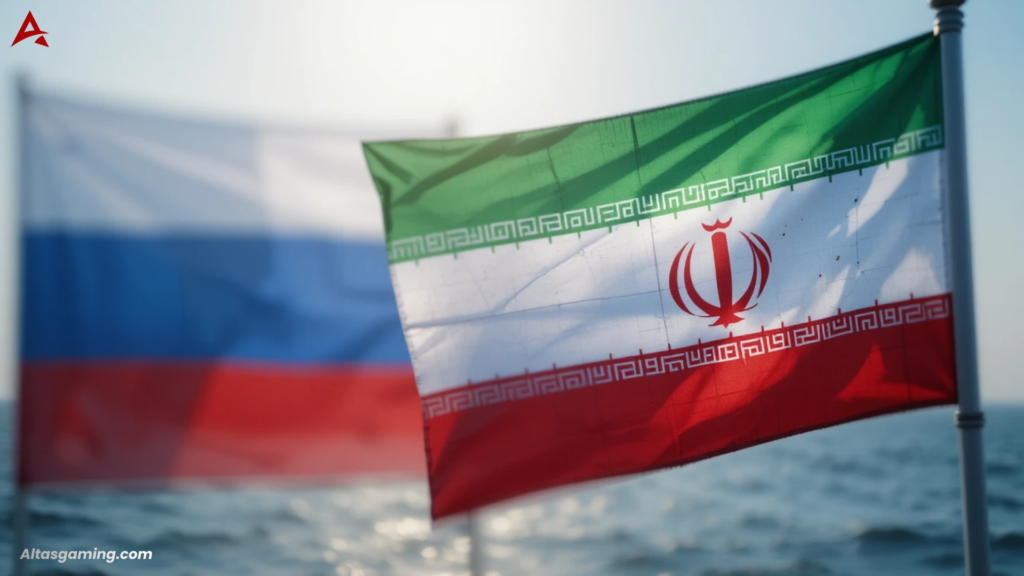
According to emerging claims, this discreet naval movement is intended to protect Iranian infrastructure and signal a powerful message to the United States and Israel amid rising regional tensions.
But how serious is this situation and what could it mean for global stability?
🚨 What the Reports Claim
Unconfirmed but widely circulated reports suggest:
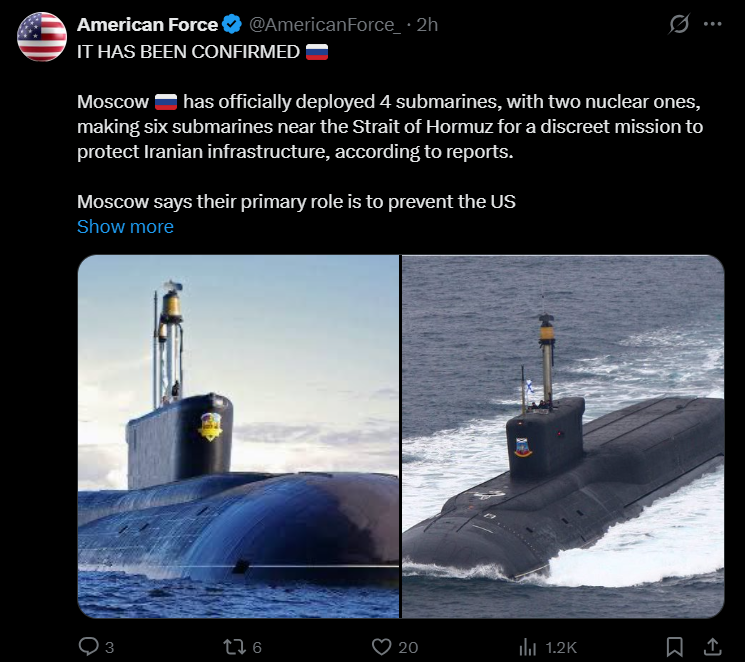
- Moscow has deployed up to six submarines, including two nuclear-powered vessels
- The mission is described as “discreet” but strategic
- The submarines are positioned to deter foreign military movement near Iranian waters
The objective, according to these claims, is clear:
👉 Prevent any attempt to break a potential blockade or approach Iran without resistance.
⚠️ Important: What Is Official vs. Speculation?
As of now, there has been no widely verified official confirmation from major global defense authorities regarding the exact number or nature of these submarines.
This means:
- Some details may be exaggerated or part of information warfare
- Governments often avoid disclosing submarine movements due to secrecy
- The situation should be treated with caution until independently confirmed
Still, even the possibility of such a deployment is enough to raise alarms globally.
🌊 Why the Strait of Hormuz Matters So Much
The Strait of Hormuz is not just another shipping lane it is one of the most critical energy chokepoints in the world.
Key Facts:
- Roughly 20% of global oil supply passes through this narrow route
- It connects Gulf oil producers to international markets
- Any military presence here has instant global economic consequences
A submarine deployment in this region is not just military it’s economic leverage.
🔱 Russia’s Strategic Message
If the reports are accurate, the move by Russia carries a powerful geopolitical signal:
- Support for Iran: Reinforcing its alliance with Iran
- Deterrence: Warning against military action by the United States or Israel
- Global Positioning: Showing that Russia is willing to project power beyond its immediate region
The message being sent is direct:
Any large-scale escalation could draw in another major global power.
⚓ What Role Do Submarines Play in Modern Warfare?
Submarines especially nuclear-powered ones are among the most powerful and stealthy assets in naval warfare.
Their capabilities include:
- Remaining hidden underwater for extended periods
- Launching missiles from long distances
- Monitoring enemy movements without detection
Because of this, their presence alone can:
- Change military calculations instantly
- Force adversaries to rethink aggressive strategies
- Increase the risk of miscalculation or unintended conflict
Global Implications: A Wider Conflict Risk?
The involvement or perceived involvement of Russia in the Middle East raises serious concerns:
Potential consequences:
- Escalation into a multi-nation conflict
- Increased tensions between global powers
- Pressure on international alliances and diplomacy
For the United States, this could complicate any military or strategic response in the region.
🛢️ Impact on Oil and Global Markets
Even unconfirmed reports like these can have real-world effects:
- Oil prices may rise due to uncertainty
- Shipping companies may reroute vessels
- Investors may shift toward safer assets
The global economy is highly sensitive to disruptions in the Gulf region, making this development particularly significant.
Information Warfare & Narrative Control
In modern geopolitics, not all battles are fought with weapons some are fought with information.
It’s possible that:
- These reports are part of a strategic narrative
- Different sides are trying to shape global perception
- Psychological deterrence is being used alongside military positioning
This makes it essential to rely on verified updates and avoid jumping to conclusions.
⚖️ What Happens Next?
The coming days will be critical in determining whether this situation escalates or stabilizes.
Key factors to watch:
- Official statements from global defense departments
- Satellite or intelligence confirmations
- Diplomatic movements behind the scenes
 Final Thoughts
The reported submarine deployment by Russia near the Strait of Hormuz whether fully confirmed or not highlights just how fragile the current geopolitical environment is.
At a time when tensions are already high, even the suggestion of increased military presence can:
- Shift global power dynamics
- Influence economic markets
- Raise the risk of unintended conflict
For now, the world watches closely, hoping diplomacy prevails over escalation.
FAQs
1. Why would Russia deploy submarines near Iran?
To potentially support Iran, deter foreign intervention, and strengthen its geopolitical influence in the region.
2. Are nuclear submarines actually confirmed in this deployment?
There is no fully verified public confirmation yet, and such details are often kept secret.
3. How do submarines act as a deterrent?
Their stealth and long-range strike capability make them difficult to counter, forcing adversaries to act cautiously.
4. Could this lead to a global conflict?
While unlikely immediately, increased involvement of major powers raises the risk of broader escalation.
5. How does this affect oil prices?
Any tension near the Strait of Hormuz can disrupt supply expectations, leading to price volatility.
Strait of Hormuz
The Strait of Hormuz is a narrow waterway linking the Persian Gulf to the Gulf of Oman and the Arabian Sea. It is one of the world’s most strategically important maritime chokepoints, serving as the primary route for Persian Gulf oil exports to global markets.
Key facts
- Location: Between Iran and Oman (Musandam Peninsula)
- Width: About 21 nautical miles at its narrowest point
- Average oil flow: Roughly one-fifth of global petroleum trade passes through
- Adjacent waters: Persian Gulf (west) and Gulf of Oman (east)
- Nearby ports: Bandar Abbas (Iran), Fujairah (UAE), and Muscat (Oman)
Geography and features
The strait’s northern coast lies in Iran, while its southern shores belong to Oman and the United Arab Emirates. Deep shipping channels one for inbound and one for outbound traffic accommodate supertankers. The surrounding region is mountainous and sparsely populated, giving the strait a confined and vulnerable maritime corridor.
Strategic significance
The Strait of Hormuz is vital to the global energy supply, handling a substantial portion of crude oil and liquefied natural gas exports from producers such as Saudi Arabia, Iraq, Kuwait, and Qatar. Any disruption whether from military conflict, piracy, or blockades can immediately affect global energy prices and supply chains.
Security and tensions
Due to its geopolitical importance, the strait has been a flashpoint for regional and international tensions, involving Iran, the United States, and Gulf Cooperation Council states. Naval patrols, surveillance, and international coalitions frequently monitor the area to ensure freedom of navigation and maritime security.
Economic and environmental aspects
Beyond oil transit, the strait supports fisheries and marine ecosystems unique to the Arabian Sea region. However, heavy tanker traffic and occasional oil spills pose risks to local environments and coastal communities dependent on the sea’s resources.
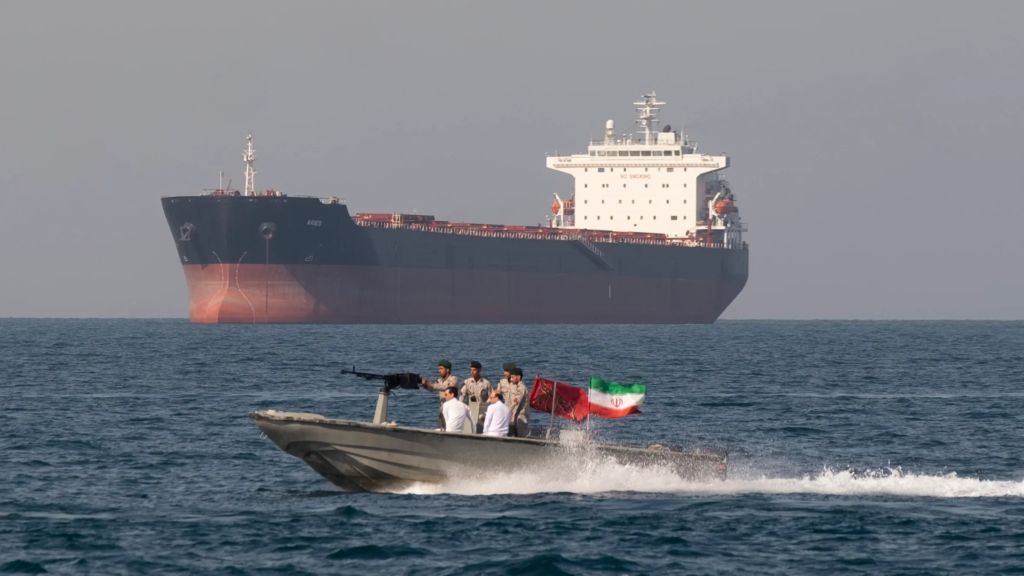
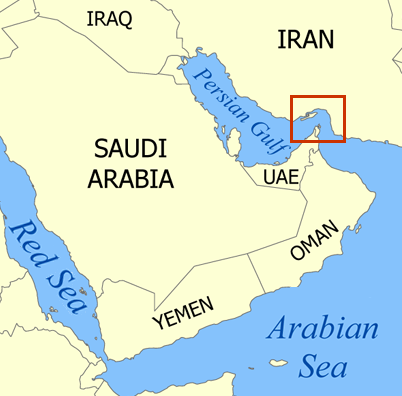
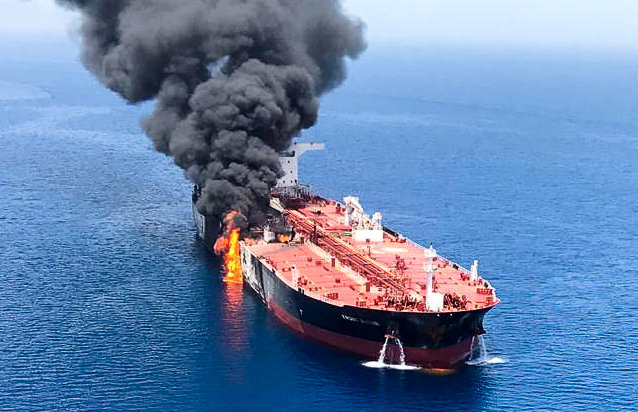
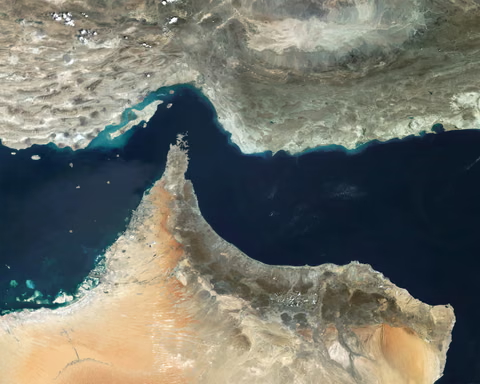
Table of Contents
- Russia Deploys Submarines Near Strait of Hormuz A Strategic Warning to the West? 2026 April
- Irans Bold Move of 10,000 Prisoner Demand’ Crisis or Strategy & What Happens Next!
- US Iran Tensions Escalate Threats of “Hell” as Search for Missing US Airman Sparks Global Alarm 2026 April
- Nuclear Strike on Iran ? Viral Claim About US What’s Real
- US Jet Shot Down in Iran One Crew Rescued, Second Still Missing in ‘Harrowing’ Search Operation
Leave a Reply