
IBM $11B Gamble! Could This Acquisition Rewrite the Future of AI and Real-Time Data?
On December 8, 2025, IBM and Confluent announced a definitive agreement under which IBM will acquire all of Confluent’s outstanding common shares, at $31 per share valuing the deal at roughly $11 billion.
Confluent responded in kind its stock surged ~29–30% on the news, reflecting investor optimism that this acquisition could rewrite how enterprises handle data, cloud, and AI.
But beyond market reaction, this acquisition signals something far bigger a strategic shift in how real-time data streaming, hybrid-cloud, and generative AI infrastructure may converge under a unified enterprise-grade “smart data platform.”
Who Is Confluent And Why IBM Wants It
- Confluent is a company founded in 2014 by the creators of open-source Apache Kafka, building enterprise-grade data streaming and event streaming infrastructure.
- Its core products Confluent Cloud (managed), Confluent Platform (self-managed), plus hybrid/private deployments allow companies to stream, process, and govern real-time data and events across clouds, on-premise servers, and hybrid environments.
- Confluent serves 6,500+ clients, including a large portion of the Fortune 500.
- Confluent is among the leading providers of “data-in-motion” essential for analytics, monitoring, event-driven applications, and increasingly, AI applications that need fresh, trusted data.
For IBM which over the past years has reoriented toward hybrid cloud, open-source, and enterprise AI Confluent fills a critical gap real-time data streaming + governance + enterprise-grade reliability.
What IBM Plans The “Smart Data Platform for Enterprise AI”
According to IBM: by integrating Confluent, the combined entity will enable enterprises to deploy generative and “agentic” AI faster and more reliably with data flowing cleanly between applications, APIs, clouds, and data centers.
Key strategic rationale
- Real-time data streaming addresses a core bottleneck in modern AI deployments: fresh, consistent, governed data across heterogeneous environments.
- As global data volumes surge and companies adopt more hybrid-cloud and multi-cloud architectures, a flexible streaming backbone self-managed, cloud-native, hybrid, or private becomes a massive asset.
- IBM expects synergies across its Data, Automation, AI, and Consulting portfolio enabling integrated offerings rather than piecemeal services.
- Financially, IBM predicts the acquisition to be accretive to adjusted EBITDA within the first full year after closing, with free cash flow improving by the second year.
In essence, IBM bets that the future of enterprise IT especially in regulated, large-scale environments will emphasize real-time data, AI readiness, and hybrid flexibility more than raw computing power alone.
Market Reaction & Financial Implications
- Confluent’s ~30% stock surge underscores strong confidence in the deal among investors.
- The $11 B enterprise value at a roughly 34% premium over Confluent’s closing share price indicates IBM’s willingness to pay for strategic value, not just software.
- IBM’s own share price dipped slightly (<1%), possibly reflecting investor caution: while strategic, the acquisition adds complexity, integration risk, and high expectations.
- For enterprises and customers the promise is of a unified “data + AI + hybrid-cloud” stack but only if IBM manages integration smoothly and maintains Confluent’s reliability and open-source roots.
Risks and What to Watch
While the upside is substantial, there are serious challenges that could derail IBM’s vision
• Integration Risk
Merging a nimble, open-source–rooted company with a legacy enterprise giant differences in culture, pace, and expectations may slow innovation, reduce agility, or complicate product roadmaps.
• Execution Complexity
To realize value, IBM must weave Confluent’s streaming, governance, security, and deployment flexibility into its existing cloud, automation, and consulting products a deep technical and operational challenge.
• Customer & Regulatory Sensitivity
Many of Confluent’s clients operate in regulated industries (finance, healthcare, telecom). Changes in licensing, pricing, governance, or data handling policies could raise compliance or vendor-lock-in concerns.
• Market Expectations Are High
Given the premium price and public hype, if IBM fails to deliver a compelling “smart data platform,” investor disappointment and customer skepticism could hurt both IBM and Confluent legacy perception.
 ltas Opinion What This Acquisition Means and Why It Matters Beyond Tech
At Altas, we see the IBM–Confluent acquisition as more than just another corporate merger it’s a strategic signal about where enterprise technology is headed in the next decade.

Why It’s a Smart Bet
- Data ≠ storage anymore it’s in motion. Static databases are giving way to real-time event-driven architectures. As organizations digitize more processes, rely on IoT, real-time analytics, and AI agents streaming data becomes the backbone of modern enterprise systems.
- Hybrid is the new norm. Not every enterprise wants to move fully to hyperscalers. Many require hybrid clouds, on-premise compliance, data sovereignty. IBM + Confluent offers that balance cloud-native flexibility with enterprise governance.
- AI needs data pipelines as much as models. AI hype often misses the data challenge. Without dependable real-time data ingestion, cleansing, and governance AI systems produce garbage. Confluent’s maturity could give IBM’s AI offerings real-world readiness.
Why It’s a Risky Road
- Legacy inertia vs startup agility. Big firms often struggle to maintain nimbleness after big acquisitions. There’s a real chance Confluent’s culture and speed get diluted.
- Too many expectations, too soon. Investors and customers expect transformative AI-ready products fast. Delays or missteps may erode trust.
- Competition won’t wait. Hyperscalers (AWS, Azure, GCP), data-native startups, open-source initiatives all are racing. IBM will need to constantly innovate, not just rely on acquisition.
Altas Final Take
This isn’t just a software buyout or cloud pivot. It’s IBM making a long-term bet on real-time data streaming + AI + hybrid enterprise infrastructure. If it succeeds, 2026–2028 could usher in a wave of “data-first, AI-ready” enterprise architecture where real-time streaming is as fundamental as compute or storage. But execution matters. This deal could either define corporate AI infrastructure for the next decade or become a cautionary tale of overhyped consolidation.
FAQs
Q1: Why didn’t IBM build its own streaming infrastructure instead of acquiring Confluent?
A1: Building enterprise-grade, scalable, secure real-time streaming with global customer base, compliance, support and hybrid-cloud flexibility would take years and heavy investment. Confluent already offers a mature, proven platform, saving IBM time and risk while giving immediate capabilities.
Q2: Does this mean small data-streaming startups are doomed?
A2: Not necessarily. Large enterprises may lean toward IBM, but niche startups specializing in edge computing, IoT, specialized compliance, or regional data needs could still thrive especially where flexibility and customization outweigh scale.
Q3: Will current Confluent customers be forced to migrate or change pricing after acquisition?
A3: It’s unclear yet. But there’s always a risk when big companies acquire smaller ones. Customers should watch licensing terms, support policies, and ensure service-level agreements remain favorable.
Q4: Could this deal trigger more M&A in AI/data infrastructure?
A4: Very likely. As demand for real-time data + AI + hybrid-cloud grows, expect more acquisitions especially from companies wanting to quickly expand their “data + AI + cloud” stack instead of building from scratch.
Q5: Does this make IBM a direct competitor to hyperscalers like AWS, Google Cloud, Azure?
A5: Partially IBM isn’t aiming to outscale hyperscalers on raw compute. Instead, it’s positioning as a hybrid-cloud, data-governance, enterprise-ready alternative that emphasizes flexibility, compliance, and integrated AI infrastructure.
Table of Contents
- Iran War 2026 What Happened and Why Is It Important?
- Helldivers 2 Ultimate Survival Guide: Best Weapons, Builds, Missions & Pro Tips (2026)
- The PlayStation 6 – Everything Gamers Have Been Waiting For – Specs, Power, Features, and the Future of PS Gaming
- Global Crisis 2026 – The New World Order? How Nations Are Reshaping Global Power and Economy- What Happens After the Dollar Era?
- The Witcher 3: Wild Hunt – The Fantasy Masterpiece That Redefined Open-World RPGs
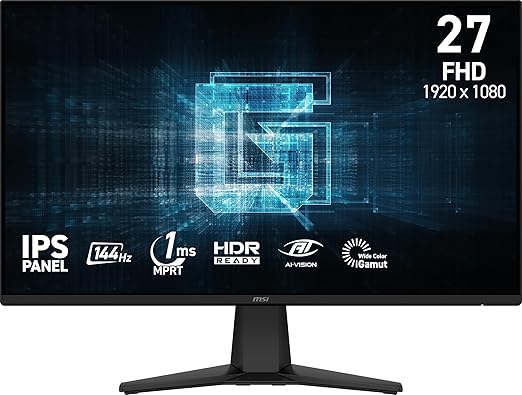
MSI G275L E14 27-inch 1920 x 1080 (FHD) Gaming Monitor
| Brand | msi |
| Screen Size | 27 |
| Resolution | FHD 1080p |
| Aspect Ratio | 16:9 |
| Screen Surface Description | Matte |
Leave a Reply