
✈️ Weight-Loss Drugs Could Save U.S. Airlines $580 Million a Year – But Regional Carriers Are Still Crashing
The explosive rise of GLP-1 weight-loss drugs such as Ozempic, Wegovy, and Zepbound is reshaping industries far beyond healthcare. According to a new Jefferies financial analysis, U.S. airlines could collectively save up to $580 million per year in fuel costs as slimmer passengers reduce aircraft weight.
Yet, while major carriers quietly benefit from lighter planes and lower fuel burn, the U.S. aviation industry is facing a parallel crisis: regional and charter airlines are collapsing under financial pressure, with Tailwind Air filing for Chapter 11 bankruptcy and canceling flights.
This is a story of two diverging airline realities one lifted by medical innovation, the other crushed by structural weakness.
🧠 How Weight-Loss Drugs Translate Into Airline Savings
Fuel accounts for 20%–30% of airline operating costs, making even marginal efficiency gains valuable.
Jefferies’ study highlights a simple but powerful equation:
- Average passenger weight decreases
- Aircraft total payload drops
- Fuel burn declines over millions of flights
- Airlines save hundreds of millions annually
Even a 1% reduction in aircraft weight can reduce fuel consumption by 0.75% or more, depending on route length and aircraft type.
With more than 30 million Americans projected to use GLP-1 drugs by the end of the decade, airlines are quietly gaining a structural efficiency boost without spending a dollar.
📊 Why Airlines Have “580 Million Reasons” to Like GLP-1 Drugs
Jefferies estimates:
- $580 million/year in fuel savings for U.S. airlines
- Additional benefits from reduced baggage weight and operational optimization
- Higher gains on long-haul and high-frequency routes
For legacy carriers like Delta, United, and American, this is a compounding advantage layered on top of:
- Modernized fleets
- Dynamic pricing algorithms
- Strong international demand
In short, medical innovation is doing what years of cost-cutting could not.
⚠️ But the Other Side of Aviation Is Breaking
While major airlines gain subtle tailwinds, regional and niche carriers are in free fall.
🛩️ Tailwind Air Files for Chapter 11
On January 20, charter operator Tailwind Air filed for Chapter 11 bankruptcy protection, deepening concerns about the health of U.S. regional aviation.
Key facts:
- Tailwind ended scheduled by-the-seat seaplane flights between Boston, New York, and Washington, DC
- Pivoted to ad hoc charter operations in 2024
- Rising fuel, insurance, and maintenance costs overwhelmed revenue
- Flights were canceled, stranding passengers
The bankruptcy underscores a harsh truth: efficiency gains from lighter passengers cannot save structurally weak airlines.
🔍 Why Regional Airlines Are Still Failing
Despite industry-wide benefits from fuel efficiency, smaller operators face unique pressures:
- ❌ No fuel hedging leverage
- ❌ Aging aircraft fleets
- ❌ Limited route flexibility
- ❌ Rising pilot shortages and labor costs
- ❌ Insurance premiums spiking post-pandemic
GLP-1-driven fuel savings help balance sheets, but they do not fix broken business models.
🌍 Geopolitics, Trade & Fuel Volatility Still Matter
The airline industry remains vulnerable to global shocks:
- Middle East tensions threaten oil supply stability
- Red Sea disruptions raise fuel transport costs
- U.S.–China trade uncertainty impacts aircraft parts and maintenance
- Carbon taxes and climate regulations add long-term pressure
Weight-loss drug savings may soften the blow, but geopolitical risk still dominates airline forecasting.
🔮 Industry Forecast- Who Wins, Who Loses
Likely Winners:
- Large U.S. legacy carriers
- International airlines with long-haul dominance
- Airlines operating fuel-efficient narrowbody fleets
Likely Losers:
- Regional airlines without scale
- Charter operators with volatile demand
- Airlines dependent on short-haul, low-margin routes
By 2026, analysts expect further consolidation, with more regional carriers either merging, restructuring, or shutting down.
🎙️  lta’s Opinion

The idea that weight-loss drugs could save airlines hundreds of millions sounds almost absurd but it’s real, measurable, and already happening.
However, this is not a miracle cure for aviation.
Big airlines will quietly pocket these gains, while smaller carriers continue to collapse under structural weaknesses. The Tailwind Air bankruptcy proves that efficiency without scale is not survival.
In my view, GLP-1 drugs are a hidden tailwind, not a rescue parachute.
They reward strength but they punish fragility.
The next two years will define whether U.S. regional aviation adapts or disappears.
❓ FAQ’s
Q1. Will airlines start adjusting ticket prices based on passenger weight again?
Highly unlikely. The savings are systemic and indirect, making weight-based pricing unnecessary and politically risky.
Q2. Could lighter aircraft reduce carbon emissions meaningfully?
Yes. Even small fuel reductions across millions of flights translate into millions of tons of CO₂ avoided annually.
Q3. Why didn’t GLP-1 savings save Tailwind Air?
Because fuel efficiency cannot offset weak demand, high fixed costs, and lack of route diversification.
Q4. Will airlines publicly acknowledge these savings?
Most won’t. Airlines prefer to credit “operational efficiency” rather than passenger weight changes.
Q5. Could this trend influence aircraft design in the future?
Possibly. Manufacturers may further optimize payload assumptions if long-term passenger weight trends decline.
🧠 Final Takeaway
Weight-loss drugs are quietly reshaping the economics of flight but only the strongest airlines will feel the lift.
For the rest, gravity still wins.
Table of Contents
- Resident Evil Requiem Becomes 2026’s Highest-Rated Game – A Survival Horror Masterpiece or an Overhyped Sequel That Loses Steam?
- Black Ops 7 Sets a New Standard for Tactical FPS Combat – But Controversy and Matchmaking Frustrations Spark Debate
- Ghostrunner 2 Free on Epic Games, A Cyberpunk Masterpiece of Relentless Action – or a Brutally Punishing Game That’s Too Hard to Love?
- Code Vein II Is a Beautiful Evolution – But Its Uneven World Holds It Back! Or Does It Still Lack the Crown? (Feb 2026)
- Nioh 3 Review- A Brutal Soulslike Masterpiece That Perfects Samurai Combat – Or an Unforgiving Grind That Pushes Players Too Far?
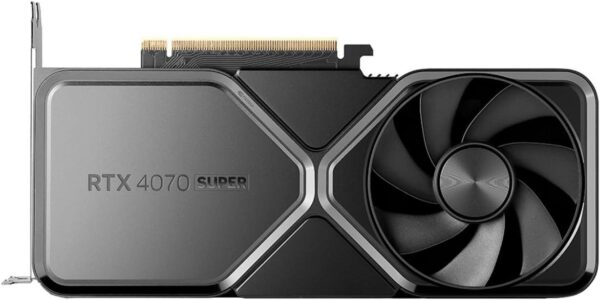
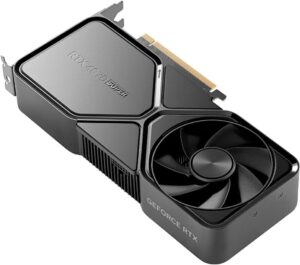
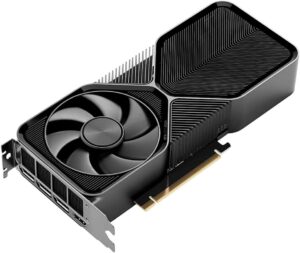
NVIDIA – GeForce RTX 4070 Super 12GB GDDR6X Graphics Card – Titanium/Black
Product Description
Get ready for stellar gaming and creating with the NVIDIA GeForce RTX 4070 SUPER. It is built with the ultra-efficient NVIDIA Ada Lovelace architecture. Experience fast ray tracing, AI-accelerated performance with DLSS 3, new ways to create, and more.
Product information



| Product Dimensions | 9.61 x 9.61 x 0.04 inches |
|---|---|
| Item Weight | 3 pounds |
| Manufacturer | Nvidia |
| ASIN | B0CT8LQZ47 |
| Customer Reviews |
4.0 out of 5 stars |
| Best Sellers Rank |
|
| Date First Available | May 13, 2024 |
Leave a Reply