
Hydro-Québec Says It Has Enough Electricity for the Winter Peak, But! Why Wind Turbines Still Matter
Introduction
Every year, as winter approaches in Quebec, the most critical public concern becomes electricity supply reliability. Extremely low temperatures result in soaring electricity demand, particularly due to heavy residential heating loads. In late 2025, Hydro-Québec publicly stated that it believes it has enough electricity to handle the winter peak this year and that the company is in a better position than last year, according to CEO Michael Sabia, who also emphasized that he is not worried about storms or grid-related disruptions.
This statement is extremely important for millions of Quebec residents and businesses that depend on consistent power. Yet, at the same time, Hydro-Québec is aggressively moving forward with large-scale development of wind energy, building thousands of megawatts of new capacity. This raises an important question:
If Hydro-Québec already has enough electricity, why are wind turbines still necessary? And should residents really feel confident or be thinking about buying backup generators?
This article provides a deep analysis of Hydro-Québec’s readiness, its renewable energy strategy, causes behind increasing winter demand, and the hidden risks many overlook. Along with that, a historical overview of Hydro-Québec’s dams and hydroelectric heritage illustrates why renewable diversification is critical.
Hydro-Québec: A Legacy Built on Hydropower
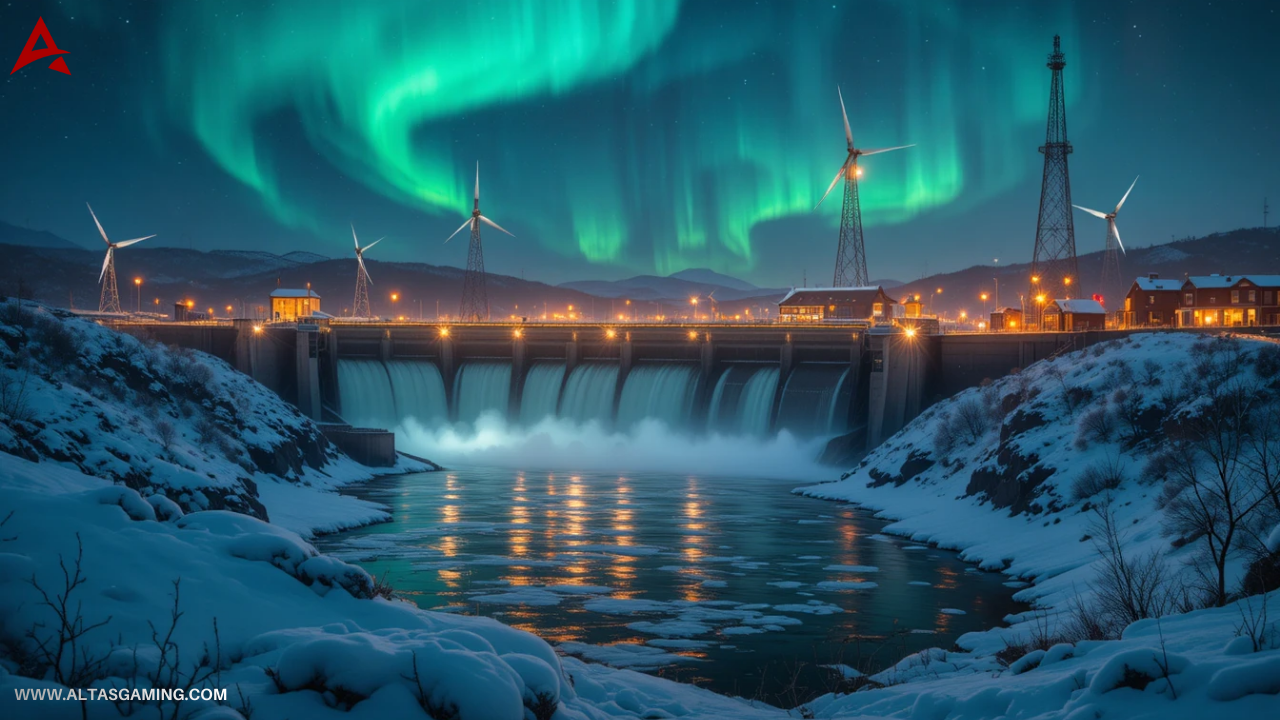
Hydro-Québec is one of the world’s largest producers of hydroelectricity. For decades, the province has relied on an extensive network of large dams to generate clean, affordable, and renewable power. This model has positioned Quebec as an international leader in hydroelectric energy production and export.
Major Hydro-Electric Dams
Some of Hydro-Québec’s biggest installations include:
- Robert-Bourassa Generating Station
- La Grande-2-A Generating Station
- La Grande-3 & La Grande-4 Power Stations
- Upper Churchill Generating System
These facilities generate thousands of megawatts, powering homes, industries, and supporting electricity exports to the United States (New England).
Historically, hydropower has been reliable and abundant due to Quebec’s natural geography vast rivers, high rainfall, and strong water storage basins have kept electricity production stable. However, modern climate realities are beginning to challenge this long-trusted formula.
Understanding Winter Peak Demand
Winter peak refers to the annual surge in electricity demand caused primarily by heating needs. Unlike many regions where peak usage occurs during hot summers due to air conditioning, Quebec’s highest pressure falls in deep winter when temperatures can drop below −20°C.
Why Demand Surges in Winter
- Electric heating systems function at maximum output.
- Morning and evening usage spikes are extremely high.
- Industrial electrical demand continues at normal capacity.
- Millions charge electric vehicles overnight during cold weather.
- More people stay indoors using entertainment, appliances, and digital devices.
During the harshest winter events, demand has exceeded 43,000 megawatts one of the highest loads of any regional grid in North America.
Hydro-Québec Says “We Are Better Prepared Than Last Winter”
According to the company’s internal assessments in late 2025, Hydro-Québec reports that:
- Water reservoir levels are stronger than last year.
- Electricity imports from neighboring networks are secured.
- Grid maintenance and infrastructure improvements were completed on schedule.
- Emergency response and outage management systems have been upgraded.
CEO Michael Sabia stated publicly that he is not worried about storms disrupting the electrical grid, asserting that backup systems and infrastructure expansions offer enough resilience.
If Hydro-Québec is Prepared, Why Invest in Wind Turbines?
Despite announcing sufficient power capacity, Hydro-Québec recently confirmed a major plan to add 10,000 MW of new wind energy capacity by 2035. That is one of the largest wind power expansions in Canadian history.
Reasons Behind the Wind Power Push
| Hydro Explanation | Real Impact |
|---|---|
| Growing electricity demand | EV adoption, industrial development, population growth |
| Climate change impact on water levels | Drought lowers reservoir power generation |
| Sustainable renewable transition | Net-zero and decarbonization goals |
| Risk mitigation | Avoid over-dependency on hydropower alone |
| Flexible capacity management | Wind produces when demand spikes |
| Export expansion | Economic growth opportunity |
Hydropower is extremely effective but vulnerable to low water levels, drought cycles, and environmental regulation. Even one dry season can severely reduce generating capacity.
Wind energy helps stabilize supply during periods when hydropower output is limited and spreads energy risk across multiple generation methods. It supports long-term energy security and competitive pricing.
Storm Risk & Grid Reliability
While the CEO confidently downplays threats from winter storms, grid reliability is still a technical concern. Ice accumulation, strong winds, falling trees, and heavy snow can destroy transmission lines and leave thousands without power.
Storm Realities
- Local outages are inevitable even if supply is sufficient.
- Rural regions face longer restoration times.
- Backup infrastructure takes time and manpower to deploy.
So when someone says:
“When I read that Hydro-Québec BELIEVES it has enough capacity, I feel like buying a generator.”
that reaction is understandable. It reflects real-world experiences rather than corporate claims.
Dam History & Quebec’s Hydropower Development
Hydropower has been central to Quebec’s identity since the mid-20th century. Large projects were initiated to achieve energy independence and economic growth.
Timeline Overview
| Period | Key Events |
|---|---|
| 1944 | Hydro-Québec founded |
| 1963-1980 | Nationalization of private power companies |
| 1970s | James Bay Project begins major development stage |
| 1984-1996 | Expansion of La Grande complex |
| 2000-Present | Export expansion & renewable diversification |
Hydroelectricity significantly boosted Quebec’s economy, created thousands of jobs, and reduced electricity prices to among the lowest in North America.
But today’s demand levels and climate realities require a next generation energy strategy and that strategy integrates wind power.
Energy Transition & Decarbonization
Canada has committed to net-zero emissions by 2050. Renewable energy expansion is essential not only for climate goals, but also for economic competitiveness and reliability.
Hydro-Québec’s 2035 Action Plan includes:
- 8,000–9,000 MW new generation capacity
- 10,000 MW wind project development
- Major grid modernization upgrades
- Large-scale electric storage systems
- Community and indigenous partnership projects
Hydropower alone cannot support future load growth it must be complemented by wind and other renewable technologies.
 LTAS OPINION
From an analytical perspective, Hydro-Québec’s confidence is logical but partial. While power production may be sufficient on paper, the real concern lies in grid resilience, supply consistency, and long-term demand growth.
I personally believe that:
- The push for wind energy is not because power is currently lacking, but because future demand will exceed hydro capabilities.
- Climate change already impacts water reserves and rainfall consistency.
- Extreme weather events will continue to threaten transmission and distribution infrastructure.
- Energy diversification is essential to survival not luxury.
Would I buy a generator if I lived in Quebec?
Yes but not out of fear. Out of preparedness.
A small generator or battery system makes sense for remote areas or households dependent on medical and heating support systems. But panic buying is unnecessary planning should replace anxiety.
The smartest strategy is:
Trust long-term energy strategy but prepare personal backup solutions just in case.
FAQs
1. If Hydro-Québec already has enough power, why expand wind projects so aggressively?
Because long-term demand growth plus climate-driven hydropower fluctuations mean hydropower alone cannot meet future needs. Wind adds resilience and peak management value.
2. Can wind power fully replace hydropower one day?
No. Wind is intermittent; hydropower provides stable baseline electricity and grid control. The strategy is integration, not replacement.
3. Will wind turbines lower electricity prices in Quebec?
Potentially yes diversified production reduces risk and reliance on imports, which keeps long-term pricing stable.
4. Is drought a real threat to Quebec’s dams?
Yes. Lower reservoir levels reduce generating ability, which is becoming more frequent due to climate shifts.
5. If Hydro-Québec is confident, should residents stop worrying?
Confidence doesn’t remove outage risks caused by storms or grid failures. Personal backup strategies are always wise.
6. Why does winter peak cause such extreme pressure?
Because residential electric heating consumes massive energy, far more than cooling systems in summer.
7. Are wind turbines environmentally safe?
Yes. Wind power generates zero emissions and uses minimal natural resources compared to fossil fuels.
8. Should rural households consider generators?
Yes outages last longer in remote areas, and backup power can prevent heating emergencies.
Conclusion
Hydro-Québec may be fully prepared for the upcoming winter and confident in its infrastructure strength. Yet the rapidly growing demand for electricity, unpredictable climate impacts, and global decarbonization goals make diversified energy development essential. Wind power is not a sign of weakness it is a smart strategic move to secure the province’s energy future.
And while grid-wide blackouts may be unlikely, local outages remain inevitable. The smartest path forward is a combination of trust in renewable strategy and individual preparedness, rather than panic.
Table of Contents
- Resident Evil Requiem Becomes 2026’s Highest-Rated Game – A Survival Horror Masterpiece or an Overhyped Sequel That Loses Steam?
- Black Ops 7 Sets a New Standard for Tactical FPS Combat – But Controversy and Matchmaking Frustrations Spark Debate
- Ghostrunner 2 Free on Epic Games, A Cyberpunk Masterpiece of Relentless Action – or a Brutally Punishing Game That’s Too Hard to Love?
- Code Vein II Is a Beautiful Evolution – But Its Uneven World Holds It Back! Or Does It Still Lack the Crown? (Feb 2026)
- Nioh 3 Review- A Brutal Soulslike Masterpiece That Perfects Samurai Combat – Or an Unforgiving Grind That Pushes Players Too Far?

Acer Nitro KG241Y Sbiip
| Brand | acer |
| Screen Size | 23.8 Inches |
| Resolution | FHD 1080p |
| Aspect Ratio | 16:9 |
| Screen Surface Description | Glossy |
Leave a Reply