US Iran Tensions Escalate Threats of “Hell” as Search for Missing US Airman Sparks Global Alarm
US Iran Tensions
The Middle East is once again at the center of global attention as tensions between the United States and Iran sharply escalate. A high-stakes military incident involving a downed fighter jet and a missing American airman has triggered a dangerous exchange of warnings, with leaders hinting at consequences that could reshape the region.
This unfolding crisis is not just another headline it carries serious implications for global security, oil markets, and the fragile balance of power in one of the world’s most volatile regions.
🔥 What Happened? The Incident That Sparked the Crisis
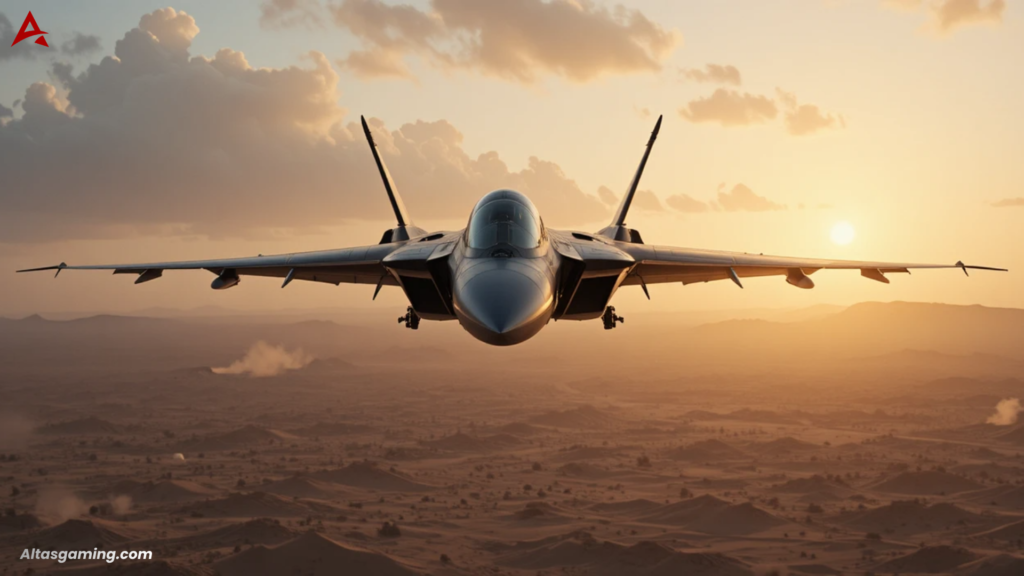
The situation began when a U.S. fighter jet, identified as the F-15 Eagle, was reportedly downed during operations near Iranian territory. While one crew member was quickly recovered, the second airman went missing, setting off an urgent and highly sensitive search-and-rescue mission.
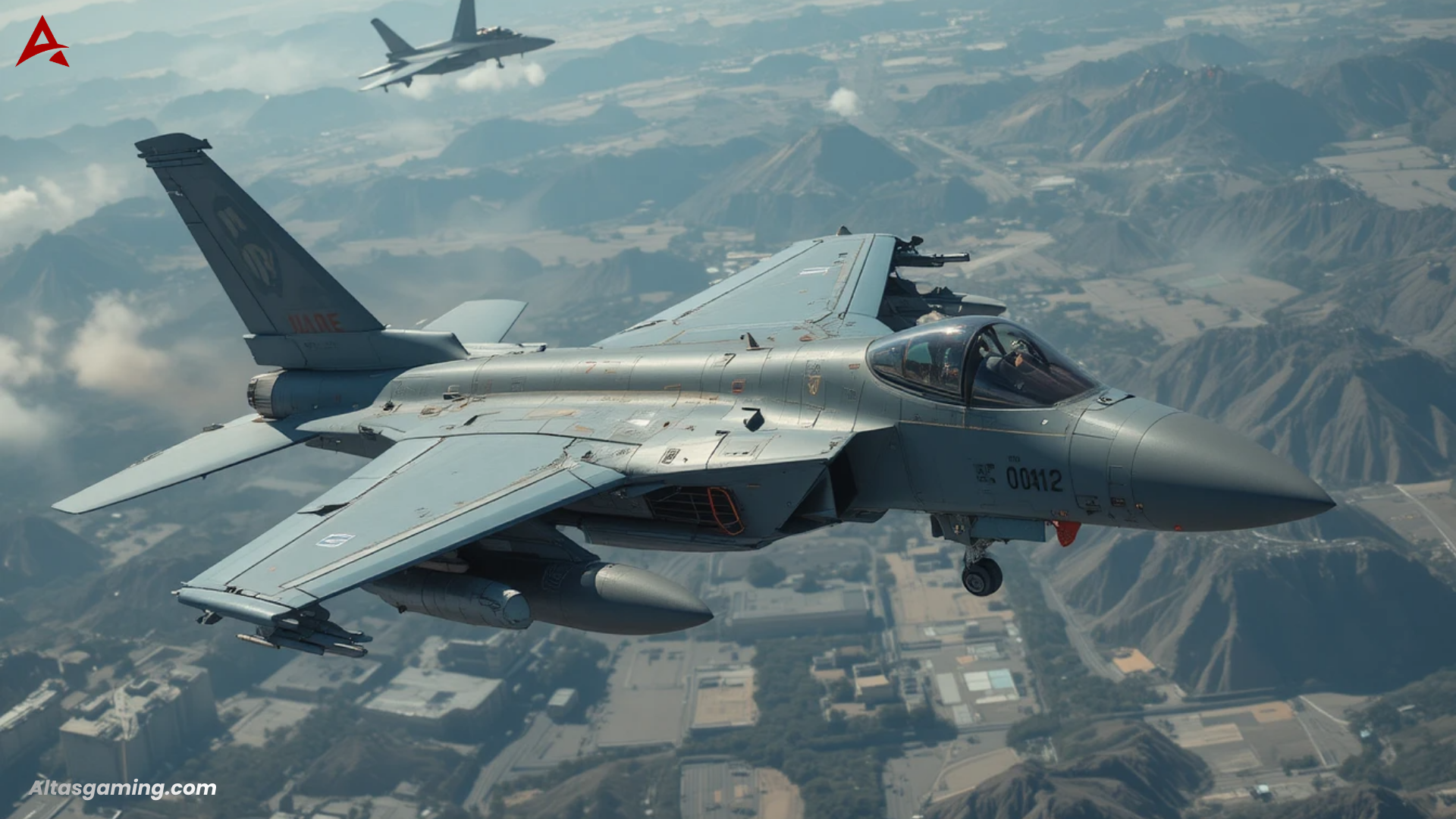
This mission quickly evolved into a high-risk military operation:
- The airman was believed to be stranded in hostile terrain
- U.S. forces deployed helicopters, drones, and special operations units
- The rescue efforts took place under the constant threat of enemy detection
The possibility of the airman being captured added urgency and tension, turning a military incident into a potential geopolitical flashpoint.
High-Risk Rescue Mission Behind Enemy Lines
Rescuing a stranded pilot in enemy territory is one of the most dangerous operations in modern warfare. U.S. forces reportedly carried out a complex mission involving:
- Night-time helicopter insertions
- Electronic surveillance and air support
- Coordination between elite special forces units
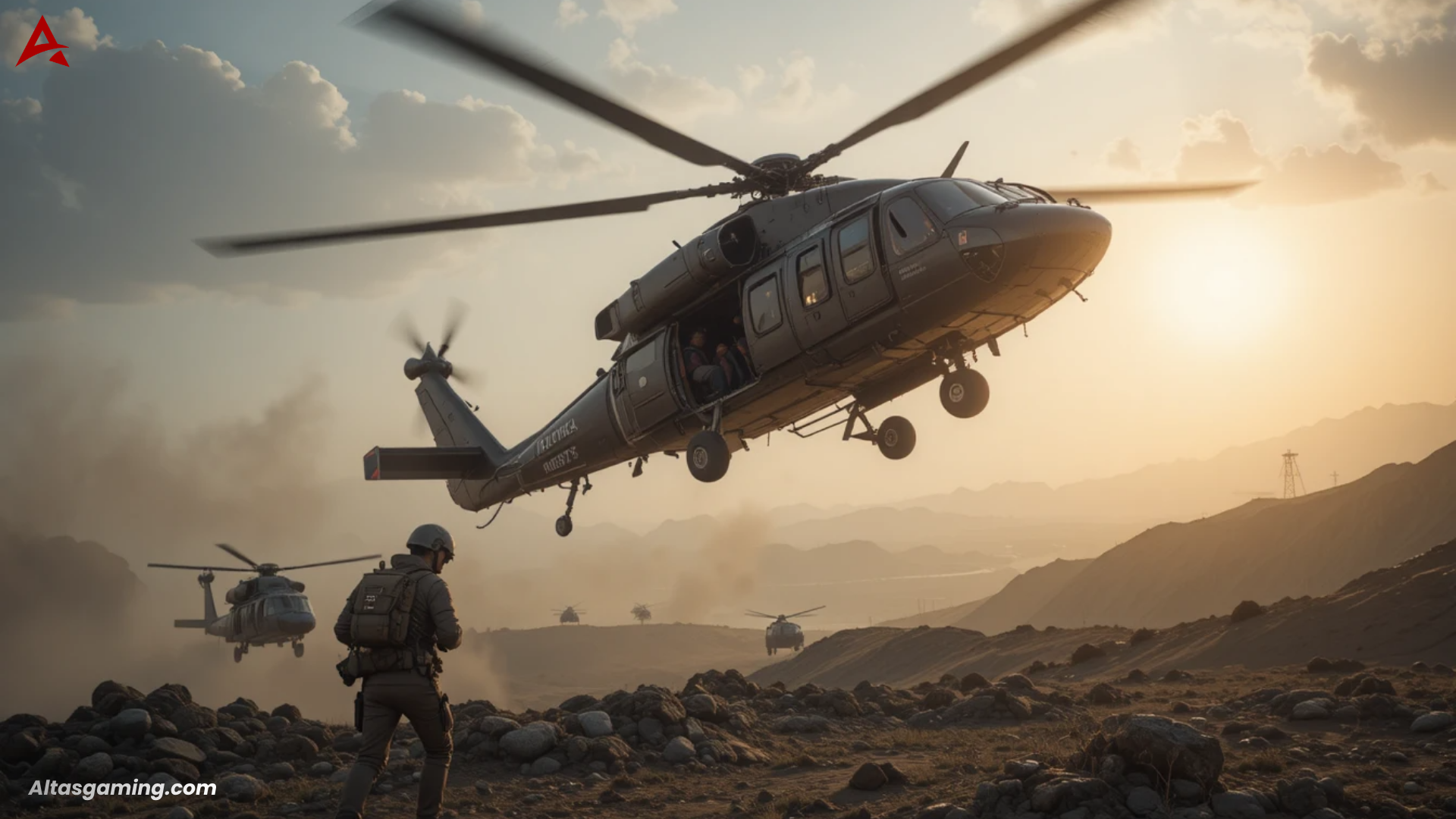
These missions are often referred to as “combat search and rescue” (CSAR), where every second counts. The risks include:
- Enemy ground fire
- Anti-aircraft defenses
- Unpredictable terrain conditions
Despite the dangers, reports suggest that U.S. forces ultimately succeeded in locating and rescuing the missing airmanan outcome that may have prevented an even larger escalation.
⚡ Political Escalation: Threats of “All Hell”
As the search operation unfolded, political rhetoric intensified dramatically. Donald Trump issued a strong warning to Iran, reportedly stating that “all hell will break loose” if certain conditions were not met.
Among the key demands:
- Ensuring safe passage for international shipping
- De-escalation of military activities in the region
- Cooperation regarding the downed aircraft incident
Such language marks a significant escalation in tone, signaling that the situation is not just a military issue but a broader political confrontation.
Why the Strait of Hormuz Matters
At the heart of the crisis lies the strategic importance of the Strait of Hormuz a narrow passage that connects the Persian Gulf to global markets.
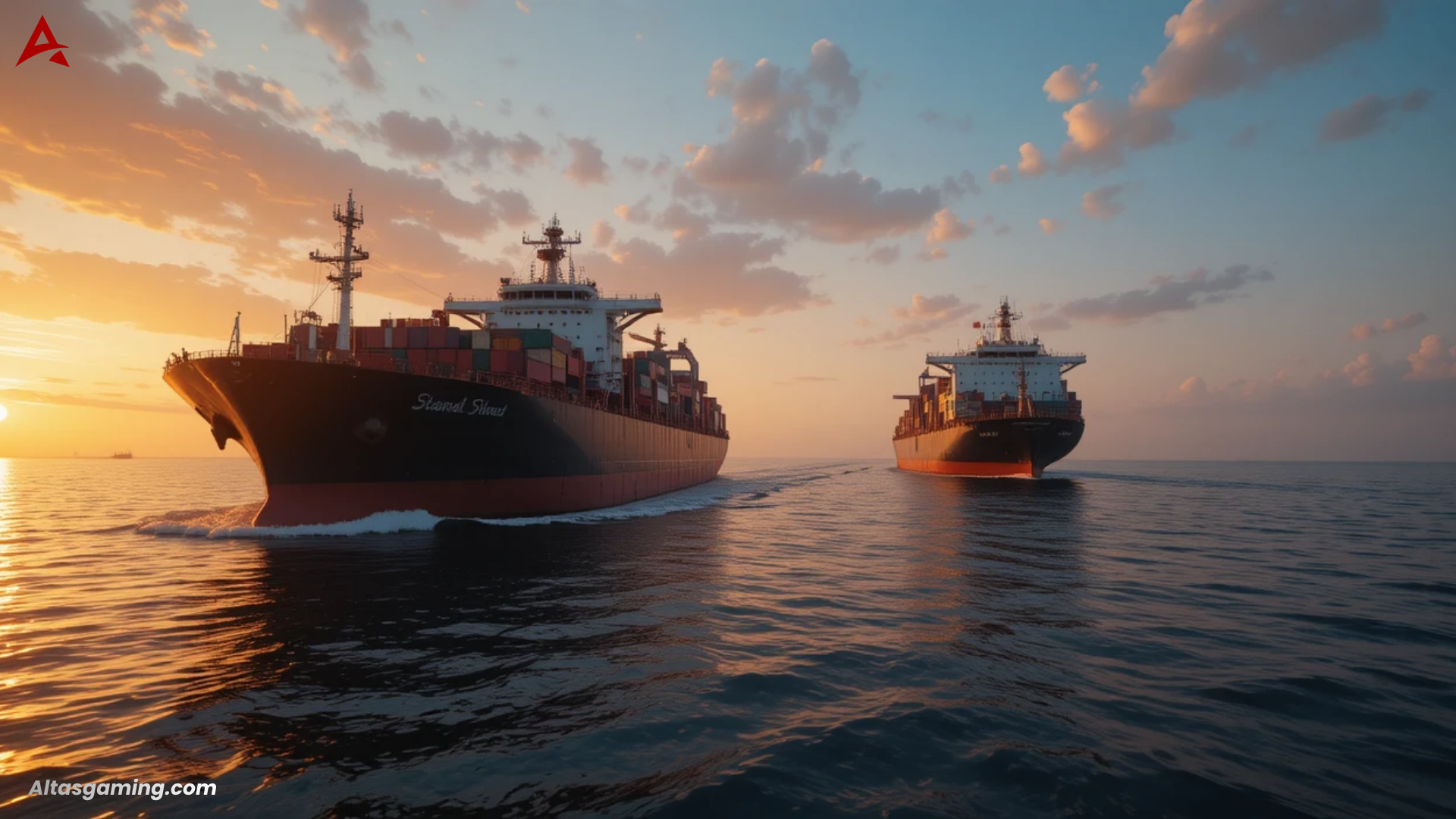
Key Facts:
- Around 20% of the world’s oil supply passes through this route
- It is one of the most critical chokepoints in global trade
- Any disruption can send oil prices skyrocketing
If tensions escalate further, even a temporary blockage could have ripple effects across the global economy, affecting fuel prices, inflation, and international trade.
🛢️ Global Impact: Oil, Markets, and Uncertainty
The crisis has already begun to influence global markets:

- Oil prices show signs of volatility
- Investors are shifting toward safer assets
- Shipping routes face increased risk
Countries heavily dependent on energy imports are watching closely, as any prolonged instability could lead to economic strain worldwide.
Military Strategy and Regional Stability
This incident highlights the delicate balance of military power in the Middle East. Both the United States Air Force and Iranian forces maintain significant capabilities in the region, making any direct confrontation extremely risky.
Key Concerns:
- Miscalculation leading to unintended conflict
- Expansion of hostilities to neighboring countries
- Increased involvement of global powers
The presence of advanced aircraft, missile systems, and naval forces raises the stakes of even minor incidents.
⚠️ Could This Lead to a Larger Conflict?
While the successful rescue of the airman may reduce immediate tensions, the situation remains fragile. Several factors will determine what happens next:
- Diplomatic negotiations behind the scenes
- Military posture and troop movements
- Responses from international allies
History has shown that small incidents can quickly escalate if not carefully managed.
The Bigger Picture: A Region on Edge
The Middle East has long been a region of strategic importance and complex rivalries. This latest crisis adds another layer to an already tense environment.
What makes this situation particularly dangerous is:
- The combination of military action and political threats
- The global economic stakes involved
- The speed at which events are unfolding
- ⚡ Latest update
 Final Thoughts
The unfolding tensions between the United States and Iran serve as a reminder of how quickly geopolitical situations can escalate. While the rescue of the missing airman is a positive development, the broader conflict remains unresolved.
The coming days will be critical. Whether this crisis leads to further escalation or a return to diplomacy will shape not only the future of the region but also the stability of the global economy.
FAQs
1. Why is the downing of an F-15 fighter jet such a big deal?
Because the F-15 Eagle is a highly advanced and strategic military asset, its loss signals a serious escalation and raises questions about airspace control and defense capabilities.
2. What makes combat search and rescue missions so dangerous?
These missions take place in hostile territory, often under enemy surveillance, where even small mistakes can lead to casualties or capture.
3. How does this crisis affect everyday people globally?
Rising oil prices can lead to higher fuel costs, increased transportation expenses, and inflation in many countries.
4. Could this situation impact international flights or travel?
Yes, airlines may reroute flights to avoid conflict zones, leading to longer travel times and higher ticket prices.
5. Is diplomacy still possible between the US and Iran?
Yes, diplomatic channels often remain active even during crises, but success depends on both sides’ willingness to de-escalate.
Table of Contents
- Irans Bold Move of 10,000 Prisoner Demand’ Crisis or Strategy & What Happens Next!
- US Iran Tensions Escalate Threats of “Hell” as Search for Missing US Airman Sparks Global Alarm 2026 April
- Nuclear Strike on Iran ? Viral Claim About US What’s Real
- US Jet Shot Down in Iran One Crew Rescued, Second Still Missing in ‘Harrowing’ Search Operation
- Trump & Israel Next Move in Iran War 2026 April
Leave a Reply