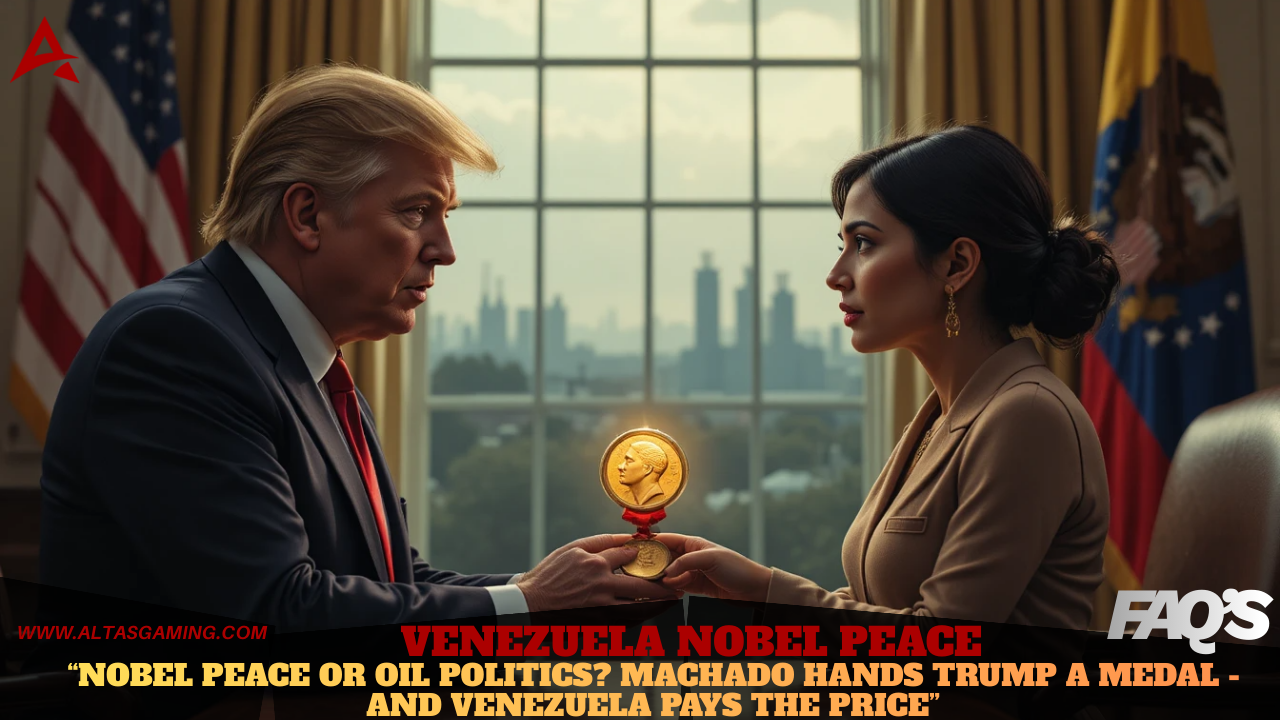
Venezuela, Nobel Peace Prizes, Trump, and Oil- A Political Story With Real Stakes
In a highly symbolic and controversial moment, Venezuelan opposition leader María Corina Machado presented her 2025 Nobel Peace Prize medal to U.S. President Donald Trump at the White House a gesture meant to thank him for U.S. actions in Venezuela, yet one that has stirred debate, confusion, and deeper questions about power, oil, and democracy. (Reuters)
What initially looked like a symbolic gift has reverberated across political and diplomatic spheres. Today’s developments also occur against the backdrop of U.S. military actions in Venezuela, control over oil assets, regional reactions, and shifting global alignments.
🏆 The Nobel Prize Gesture- What Really Happened
On January 15, 2026, Venezuelan opposition figure María Corina Machado, who won the 2025 Nobel Peace Prize for her work toward democratic transition in Venezuela, publicly presented her Nobel medal to Donald Trump during a meeting at the White House. (Reuters)
Machado said she did this as a “personal symbol of gratitude” because she believes Trump’s actions particularly the removal of Nicolás Maduro from power were critical steps toward freedom for her nation. The White House posted photos showing the medal framed with an inscription honoring Trump’s leadership, and Trump called the gesture a “wonderful honor.” (Reuters)
However, the Norwegian Nobel Institute quickly clarified that a Peace Prize cannot be transferred, shared, or revoked once awarded the medal can change hands physically, but the laureate title remains solely with Machado. (Reuters)
🇻🇪 Political Context in Venezuela
This meeting comes as Venezuela undergoes rapid political upheaval:
- U.S. forces captured former Venezuelan President Nicolás Maduro in a major operation early January 2026. (AP News)
- Delcy Rodríguez, Maduro’s former vice-president, now serves as acting president, and the U.S. appears to favor her pragmatic cooperation, especially on oil and reform. (The Sun)
- Machado, once a leading opposition figure, has seen her domestic influence decline despite international accolades. (Reuters)
That context matters: it explains why Machado’s dramatic gesture may have been partly an attempt to recover Trump’s political support support she has struggled to secure in Washington. (People.com)
🛢️ Oil Politics in the Background
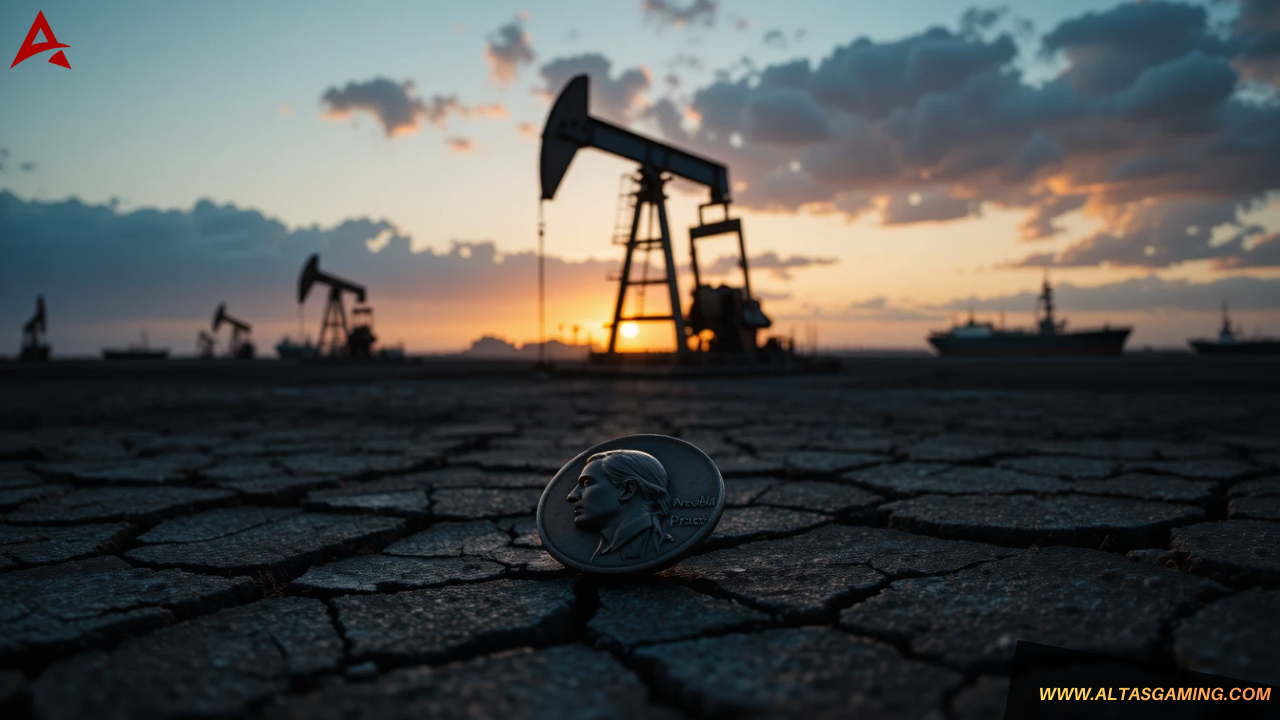
While the Nobel medal grabbed headlines, oil is the real strategic prize. Venezuela has some of the world’s largest heavy oil reserves, highly prized by U.S. refineries because of its high energy content and profitability once processed.
Analysts emphasize that Venezuela’s heavy crude is especially lucrative for Gulf Coast refineries in the United States helping diversify supply away from traditional sources and reducing costs. Heavy oil also plays a key role in feedstock blends for plastics, chemicals, and lubricants.
In recent weeks, the U.S. military has seized multiple Venezuela-linked oil tankers as part of efforts to disrupt networks tied to the previous regime and tighten control over oil flows. (Hürriyet Daily News)
Acting President Rodríguez has also announced plans to reform the oil sector to attract foreign investment and ease longstanding restrictions a significant step considering the historically state-controlled nature of Venezuela’s oil industry. (Hürriyet Daily News)
🌍 Geopolitical Reactions and Implications
The Nobel medal episode and U.S. actions have rippled across the region:
- Cuba acknowledged the cost of shifting alliances after 32 Cuban soldiers reportedly died in connection with Venezuelan operations a reminder of regional entanglements. (Hürriyet Daily News)
- U.S.–Venezuela ties are being closely watched by China; Beijing sees influence in Latin America both as a trading opportunity and a geopolitical counterweight to Washington’s moves.
- Latin American governments have varied responses, with some praising democratic aspirations and others warning against external intervention.
These dynamics highlight how symbolic gestures like Nobel medals interweave with hard power, oil economics, and regional strategy.
 lta’s Opinion 💭 Symbolism vs Substance
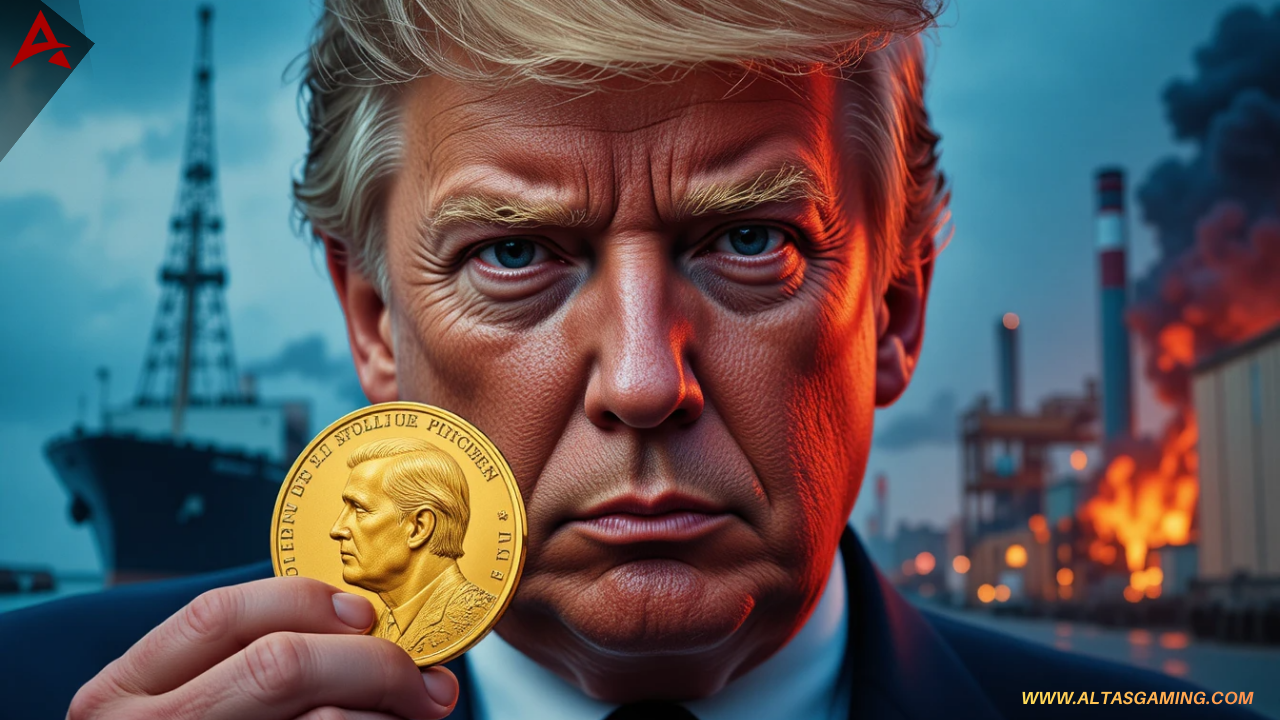
The Nobel gesture was dramatic and symbolic, but its political impact is ambiguous:
- On the one hand, it elevated international attention on Venezuela’s crisis and aligned Machado with U.S. strategic interests.
- On the other hand, it didn’t secure Trump’s political backing, especially for her leadership ambitions Trump appears to prioritize oil access and diplomatic stability over investing in an opposition leader’s rise.
This suggests a broader reality: politics and geopolitical interests often overshadow symbolic acts of gratitude. Oil and regional stability remain at the heart of U.S. engagement in Venezuela.
❓ FAQs- What People Really Want to Know
Q1: Can a Nobel Peace Prize actually be given to someone else?
No. The Nobel Institute states the prize cannot be transferred or shared; only the physical medal can change hands. (Reuters)
Q2: Does Trump now hold a Nobel Peace Prize?
Physically, yes he was presented with the medal but he is not officially a Nobel laureate. (AP News)
Q3: Why did Machado give the medal to Trump?
She described it as a gesture of gratitude for what she views as Trump’s role in removing Maduro and supporting Venezuela’s freedom. (Reuters)
Q4: Did Trump promise support to Machado?
No clear political support was pledged; Trump has been more engaged with acting President Delcy Rodríguez. (People.com)
Q5: Why is Venezuela so geopolitically important?
Venezuela’s vast oil reserves make it economically and strategically significant, especially for U.S. energy markets and global crude supply. (Hürriyet Daily News)
Q6: How are other countries reacting?
Reactions vary: Cuba has acknowledged losses tied to the conflict, and nations like China and regional governments are assessing their own interests amid shifting alliances.
🧠 Final Takeaway
What began as a symbolic gift of a Nobel medal has turned into a complex political narrative involving power, oil, diplomacy, and influence. Machado’s gesture underscored her gratitude but geopolitics, strategic interests, and the future of Venezuela’s government and oil sector continue to drive real-world decisions far beyond symbolic medals.
Table of Contents
- Resident Evil Requiem Becomes 2026’s Highest-Rated Game – A Survival Horror Masterpiece or an Overhyped Sequel That Loses Steam?
- Black Ops 7 Sets a New Standard for Tactical FPS Combat – But Controversy and Matchmaking Frustrations Spark Debate
- Ghostrunner 2 Free on Epic Games, A Cyberpunk Masterpiece of Relentless Action – or a Brutally Punishing Game That’s Too Hard to Love?
- Code Vein II Is a Beautiful Evolution – But Its Uneven World Holds It Back! Or Does It Still Lack the Crown? (Feb 2026)
- Nioh 3 Review- A Brutal Soulslike Masterpiece That Perfects Samurai Combat – Or an Unforgiving Grind That Pushes Players Too Far?
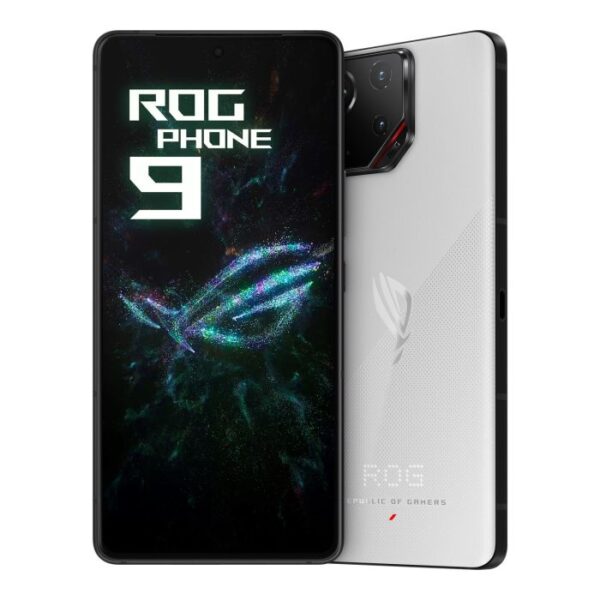
Asus ROG Phone 9
| Brand | ASUS |
| Operating System | Android 14 |
| Ram Memory Installed Size | 512 GB |
| CPU Model | Qualcomm Snapdragon MSM8260A |
| CPU Speed | 4.3 GHz |
| Memory Storage Capacity | 512 GB |
| Screen Size | 6.78 Inches |
| Resolution | 2400 x 1080 |
| Refresh Rate | 1 hertz |
| Model Name | ROG Phone 9 Pro AI2501 |
Leave a Reply