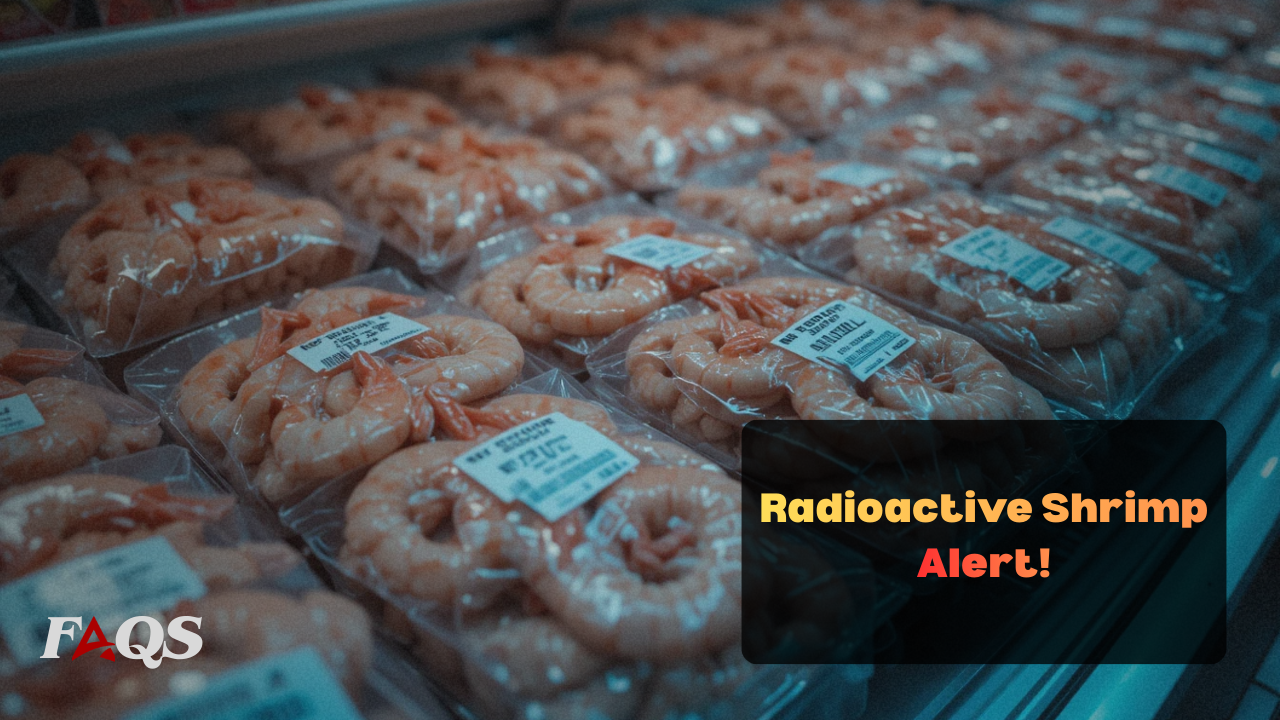
Radioactive Shrimp Recall, A Slow-Moving Crisis in America’s Food Chain
The word “radioactive” rarely appears in food recall notices.
When it does, the reaction is immediate and visceral.
Over the past several weeks, frozen shrimp products sold across 17 U.S. states have been recalled after testing revealed the possible presence of radioactive material. The situation escalated when additional shrimp products were added to the recall list, including frozen shrimp distributed through Jewel-Osco grocery stores in Illinois.
No widespread illness has been reported.
No emergency has been declared.
Yet the recall has sparked nationwide concern because radioactive contamination represents a different class of risk altogether.
What Exactly Does “Potentially Radioactive” Mean?
Unlike bacterial contamination, radioactive material does not spoil food, smell unusual, or change taste.

It is invisible.
Food regulators use the term “potentially radioactive” when
- screening detects abnormal radiation levels
- isotope identification is still ongoing
- contamination levels may exceed precautionary thresholds
This language reflects scientific caution, not panic but it also underscores uncertainty.
How Radioactive Material Can Enter Seafood
Radioactive contamination in seafood is rare, but not impossible.
Possible pathways include
- contaminated water sources near industrial or environmental exposure zones
- legacy environmental radiation from past incidents
- improper handling during storage or transport
- exposure during harvesting in affected regions
Shrimp, in particular, are vulnerable because they
- live near sediment
- are farmed or harvested in diverse global regions
- often travel long distances before reaching U.S. consumers
The Global Supply Chain Problem
Modern seafood supply chains are vast.

A single bag of frozen shrimp may involve
- harvesting in one country
- processing in another
- packaging elsewhere
- distribution across multiple U.S. states
Each step introduces
- regulatory overlap
- inspection gaps
- delays in detection
The radioactive shrimp recall highlights a core weakness: contamination may occur far from where it is discovered.
Why the Recall Expanded So Quickly
Initially, the recall affected a limited number of products.
As testing expanded, additional batches were flagged triggering a broader response.
This pattern suggests
- contamination may not be isolated
- tracing origin requires time
- regulators are prioritizing caution
The addition of more products does not necessarily mean rising danger but it does indicate complexity.
Jewel-Osco and the Illinois Recall
The involvement of Jewel-Osco, a well-known Midwest grocery chain, brought national attention.
Retailers responded by
- pulling affected shrimp from shelves
- issuing public notices
- cooperating with authorities
This step demonstrated how retail-level recalls often become the public face of much deeper supply-chain issues.
Historical Context Why This Recall Is Different
Most seafood recalls involve
- salmonella
- listeria
- undeclared allergens
Radioactive contamination belongs to a much rarer category, historically associated with
- environmental disasters
- industrial exposure
- legacy contamination zones
That rarity amplifies public fear even when risk remains theoretical.
The Psychology of “Radioactive” Food
From a consumer perspective, “radioactive” triggers
- fear of long-term health effects
- associations with cancer and environmental disaster
- distrust toward institutions
Even when officials stress low risk, perception often outweighs probability.
This is why communication not just regulation matters.
Regulatory Oversight Working, But Under Strain
The recall demonstrates that
- monitoring systems do exist
- detection mechanisms are active
- agencies are willing to act preventatively
However, it also raises questions
- why was contamination not caught earlier?
- how frequently is radiation screening performed?
- are import standards consistent across regions?
 ltas Opinion
At Altas, we view this recall as a warning signal, not a crisis but one that should not be ignored.

1. Detection Is Reactive, Not Predictive
Testing often happens after distribution, not before.
2. Transparency Builds Trust or Breaks It
Clear explanations reduce fear more effectively than reassurance alone.
3. Globalization Demands Stronger Oversight
As food travels farther, safety systems must move faster.
Altas Verdict
The radioactive shrimp recall does not suggest immediate danger but it exposes structural vulnerabilities.
Food safety today depends not only on science, but on
- speed
- transparency
- international coordination
Without those, even rare risks feel overwhelming.
What Consumers Should Do (Calm, Practical Steps)
- check official recall lists
- discard or return affected shrimp
- monitor updates from retailers
- avoid speculation or misinformation
Caution not panic is the correct response.
FAQs
Q1: Can radioactive shrimp cause immediate symptoms?
Altas Answer: Unlikely. Concerns center on cumulative exposure, not acute illness.
Q2: Why isn’t radiation screened for all food?
Altas Answer: Because risk is historically low but this recall may prompt changes.
Q3: Does freezing affect radioactive material?
Altas Answer: No. Radiation is unaffected by temperature.
Q4: Are domestic seafood products safer than imported ones?
Altas Answer: Safety depends on oversight, not origin alone.
Q5: Could recalls like this become more common?
Altas Answer: As detection improves, visibility may increase even if risk does not.
Table of Contents
- Iran War 2026 What Happened and Why Is It Important?
- Helldivers 2 Ultimate Survival Guide: Best Weapons, Builds, Missions & Pro Tips (2026)
- The PlayStation 6 – Everything Gamers Have Been Waiting For – Specs, Power, Features, and the Future of PS Gaming
- Global Crisis 2026 – The New World Order? How Nations Are Reshaping Global Power and Economy- What Happens After the Dollar Era?
- The Witcher 3: Wild Hunt – The Fantasy Masterpiece That Redefined Open-World RPGs

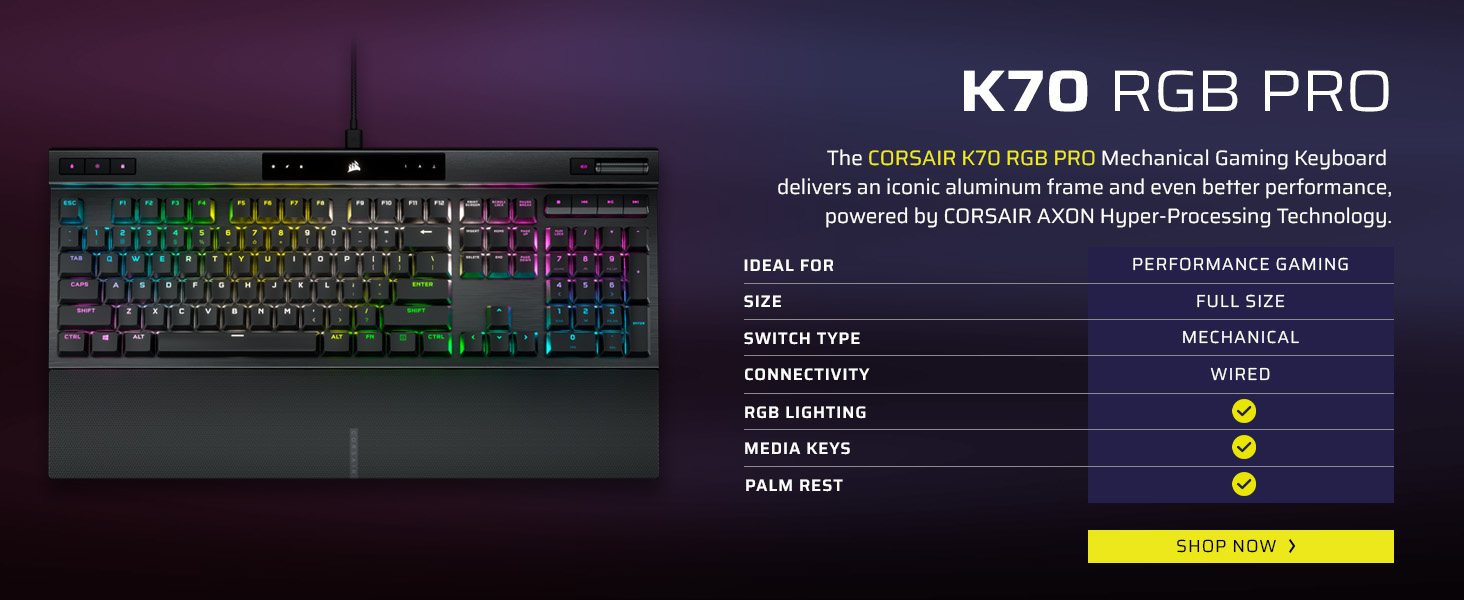
Corsair K70 PRO TKL RGB
Corsair K70 PRO
About this item
- Speed is Everything: It’s all about speed. With Rapid Trigger, ultra-fast polling rates, and per-key adjustable switches, K70 PRO TKL removes every barrier that comes between you and gaming greatness
- Space-Saving Tenkeyless Layout: The sleek, streamlined tenkeyless layout fits in nearly every gaming setup, while leaving room for sweeping mouse movements
- MGX Hyperdrive Magnetic Switches*: Pre-lubricated CORSAIR MGX Hyperdrive magnetic switches deliver a smooth, ultra-responsive keypress. Its sturdy double-rail structure reduces wobble and guarantees peak performance for 150 million keystrokes. *Function keys and non-primary keys feature CORSAIR MLX switches
- Rapid Trigger Advantage: Rapid Trigger dynamically changes your keys’ actuation and reset points, so you can move and reset your movements faster than ever
- Customizable Per-Key Actuation: Adjust the actuation point of each key from a super-sensitive 0.4mm to a deep 3.6mm (in 0.1mm steps) or set two actions to a single keypress with dual actuation for quick-fire combos and action pairs.


Leave a Reply