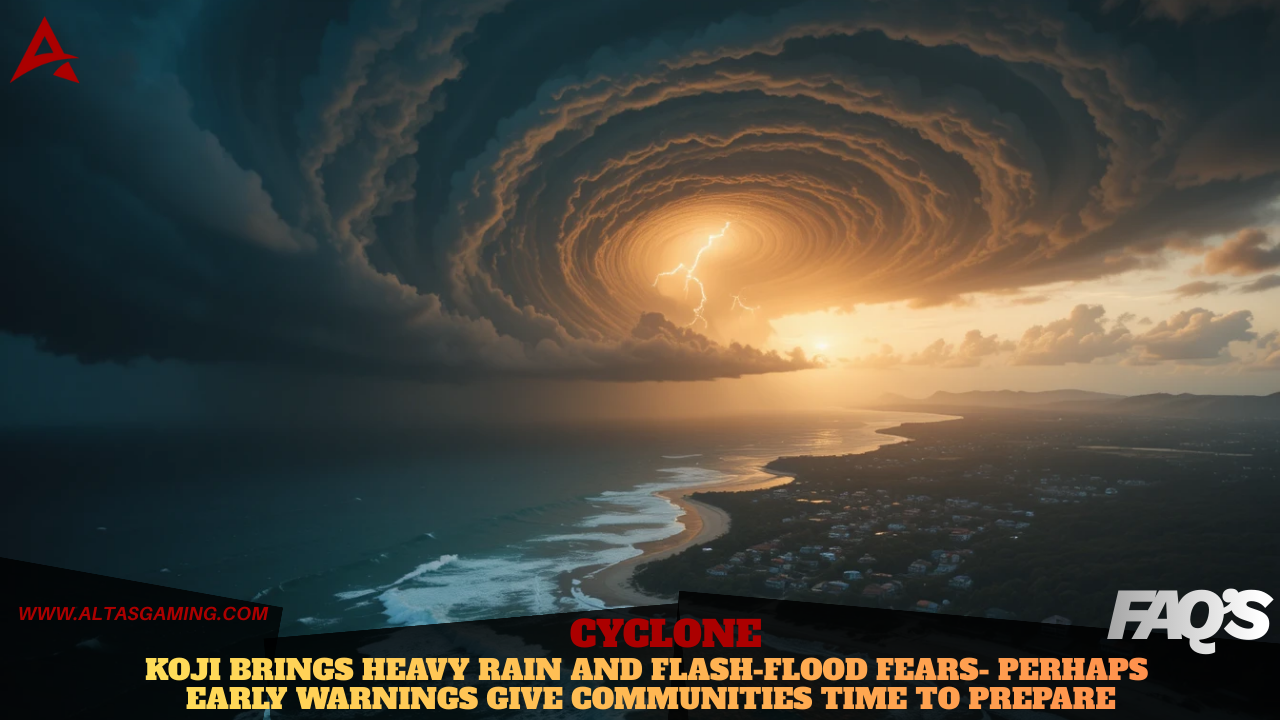
Tropical Cyclone Koji- North Queensland Braces for Damaging Winds, Flash Flooding and a Dangerous Landfall
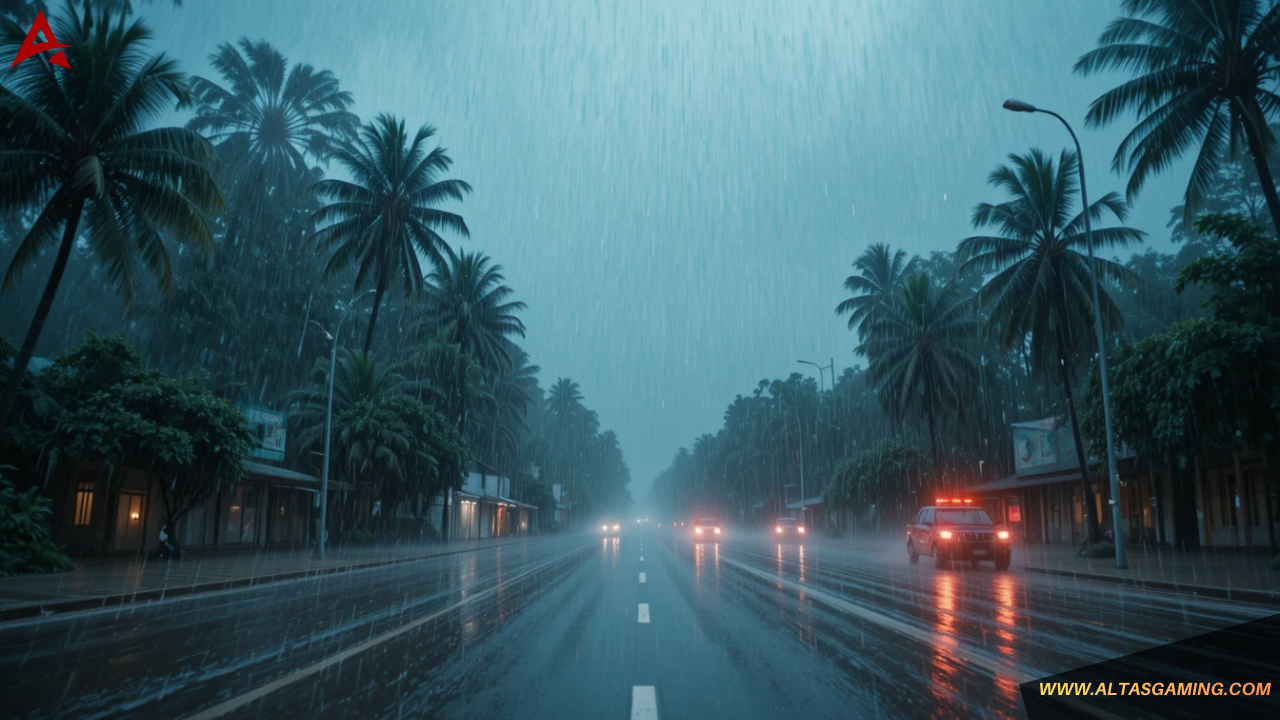
North Queensland is on high alert as Tropical Cyclone Koji strengthens offshore, bringing the threat of damaging winds, torrential rain and life-threatening flash flooding. Emergency warnings are now in effect as the system moves steadily toward the coast, with landfall expected in the early morning hours.
Authorities are urging residents across vulnerable coastal and inland communities to prepare immediately, warning that conditions could deteriorate rapidly overnight.
🌪️ What We Know So Far About Tropical Cyclone Koji
Tropical Cyclone Koji has formed off the north Queensland coast, drawing energy from warm Coral Sea waters. Meteorological agencies report that the system has organized enough to trigger cyclone warnings, with a clear trajectory toward land.
Key Highlights:
- Cyclone Name: Koji
- Region at Risk: North Queensland
- Primary Threats:
- Damaging to destructive winds
- Heavy to intense rainfall
- Flash flooding and river rises
- Power outages and transport disruption
- Expected Landfall: Around 4:00am (local time)
- Forecast Window: Active 120-hour tracking in place
🗺️ Live Cyclone Tracking & Forecast Outlook (120-Hour View)
Meteorologists are closely monitoring Koji using a live 120-hour forecast model, which assesses:
- Wind speed escalation
- Rainfall accumulation zones
- Storm surge potential
- Inland weakening or re-intensification risks
What the Forecast Indicates:
- Koji is likely to intensify as it approaches the coast
- Coastal communities face the highest wind risk
- Inland regions may experience severe flash flooding even after landfall
- Slow movement could worsen rainfall impacts
Critical Risk: Flash flooding is considered life-threatening in low-lying and river-adjacent areas.
⚠️ Cyclone Warning Issued- What Residents Are Being Told
Emergency authorities and local governments have issued strong warnings across North Queensland, urging immediate preparation.
Residents Are Advised To:
- Secure loose outdoor items
- Finalize emergency kits (water, food, batteries, medications)
- Avoid non-essential travel
- Monitor official alerts overnight
- Know local evacuation routes and shelters
Schools, transport services and some public facilities may face closures or delays, depending on conditions at landfall.
🌧️ Why Flooding Is a Major Concern
Even if wind impacts remain localized, rainfall presents the most widespread danger.
Flooding Risks Include:
- Rapid creek and river rises
- Urban flash flooding
- Landslides in saturated terrain
- Cut-off communities and supply disruption
Holiday-season soil saturation and returning travel patterns may compound the danger.
🎄 Timing Risk: Post-Holiday Vulnerability
Cyclone Koji arrives at a particularly sensitive time:
- Many residents are returning to work after holiday breaks
- Some communities may be less prepared
- Emergency resources are stretched due to seasonal weather volatility
Authorities warn complacency could be deadly.
🌍 Geopolitical & Climate Context (Why This Matters Beyond Queensland)
While Tropical Cyclone Koji is a regional event, it reflects broader global patterns:
- Increased cyclone intensity linked to warmer ocean temperatures
- Growing strain on emergency infrastructure worldwide
- Climate-driven disasters impacting economic stability, insurance markets, and migration patterns
Australia’s cyclone preparedness is increasingly viewed as a global climate resilience benchmark.
 ltas Opinion 🔍 What’s Not Being Said Enough
Altas Analysis:
Cyclone Koji highlights a recurring underestimation problem not of storms, but of rainfall-driven disasters. Wind damage grabs headlines, but flooding causes the most fatalities and long-term disruption. The real danger lies not just at landfall, but in the 24–72 hours after the cyclone crosses the coast.
Communities inland often face the worst impacts long after coastal warnings fade.
📌 What Happens After Landfall?
Once Koji crosses the coast:
- Winds may weaken, but rainfall could intensify
- Emergency rescues may be delayed
- Infrastructure damage assessments begin
- Power and communications outages possible
Recovery could take days to weeks, depending on rainfall totals.
❓ FAQs- Tropical Cyclone Koji
Is Cyclone Koji expected to be destructive?
Yes. Authorities warn of damaging winds and dangerous flooding, especially overnight and early morning.
Should inland residents be concerned?
Absolutely. Inland flooding often causes greater damage than coastal winds.
Will this affect travel and services?
Yes. Road closures, flight disruptions, and power outages are possible.
Is it safe to sleep through the night?
Only if emergency alerts are enabled. Conditions may worsen rapidly before dawn.
How long will impacts last?
Immediate impacts may last 24–48 hours, but flooding and recovery could extend much longer.
🚨 Final Word- Stay Alert, Not Alarmed
Tropical Cyclone Koji is a serious weather system, but preparation saves lives. Residents are urged to stay informed through official channels, act early, and prioritize safety over convenience.
This is a rapidly evolving situation. Updates are expected overnight and into the morning.
Table of Contents
- Iran War 2026 What Happened and Why Is It Important?
- Helldivers 2 Ultimate Survival Guide: Best Weapons, Builds, Missions & Pro Tips (2026)
- The PlayStation 6 – Everything Gamers Have Been Waiting For – Specs, Power, Features, and the Future of PS Gaming
- Global Crisis 2026 – The New World Order? How Nations Are Reshaping Global Power and Economy- What Happens After the Dollar Era?
- The Witcher 3: Wild Hunt – The Fantasy Masterpiece That Redefined Open-World RPGs

Leave a Reply