Yemen’s Houthi Missile Attack on Israel Opens a Dangerous New Front Iran US War Latest Full Story, Timeline & What Comes Next 🔥
Introduction: The Moment the War Expanded
For weeks, the world has been watching tensions rise between Iran, Israel, and the United States.
Airstrikes, missile exchanges, and rising rhetoric had already pushed the region to the edge.
But then something changed.
A missile was launched from Yemen toward Israel.
It wasn’t just another strike it was a signal.
The war had just expanded beyond its original battlefield.
For the first time, the Iran-aligned Houthi movement officially entered the conflict, opening what experts now call “a new front in the Middle East war.”
Chapter 1: The Attack What Exactly Happened?


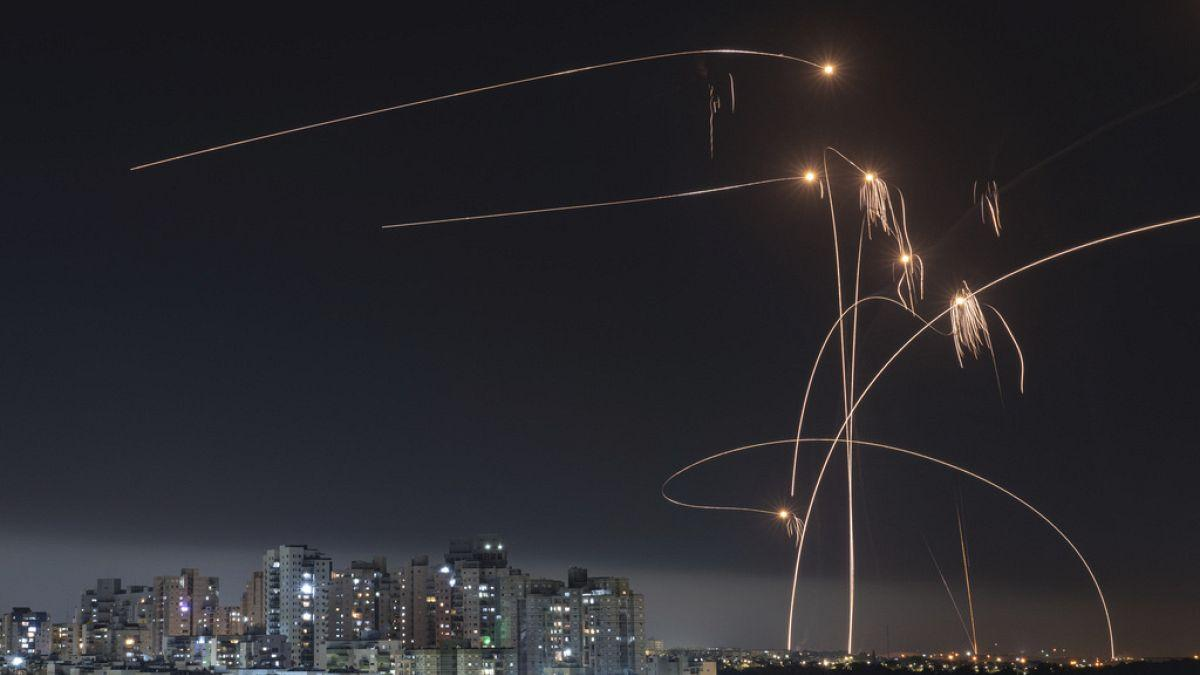
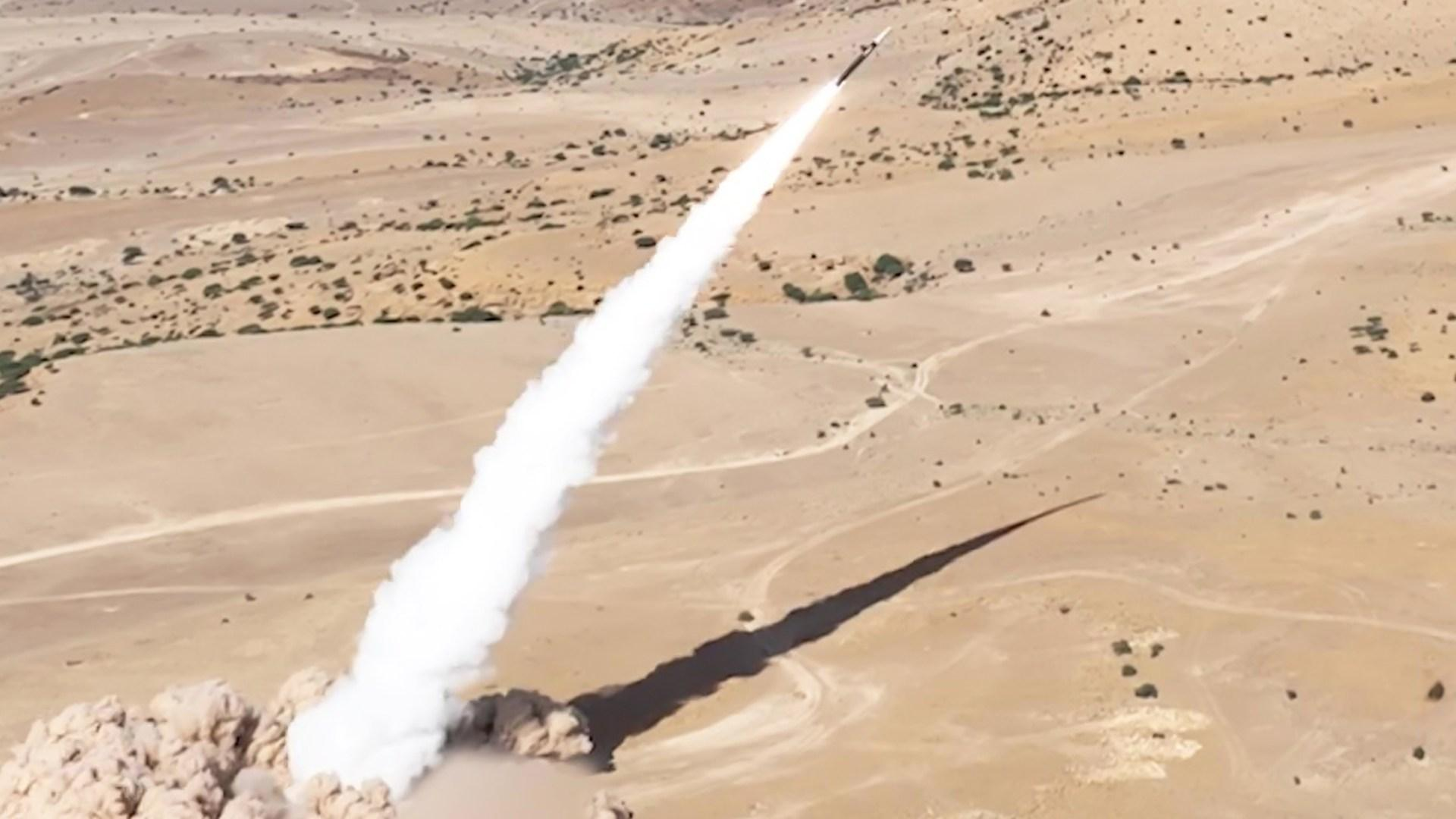
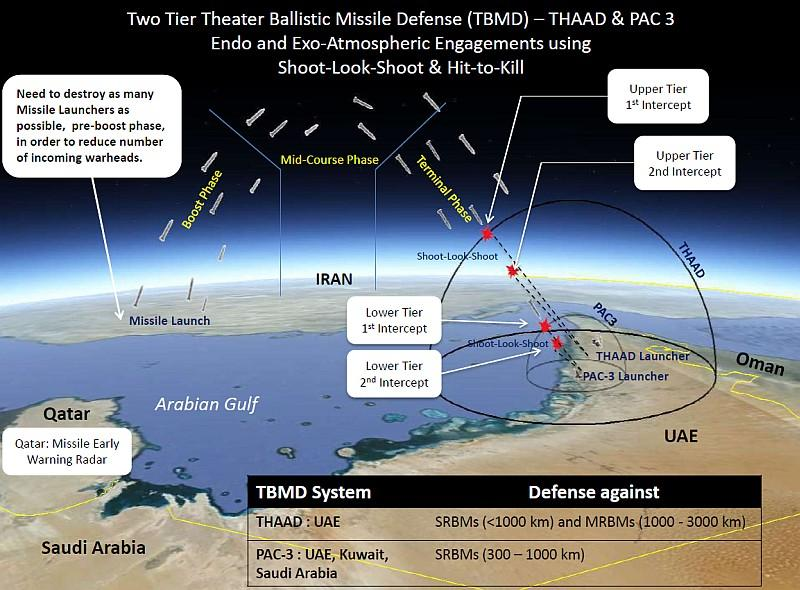
In late March 2026, the situation escalated dramatically.
Key Details:
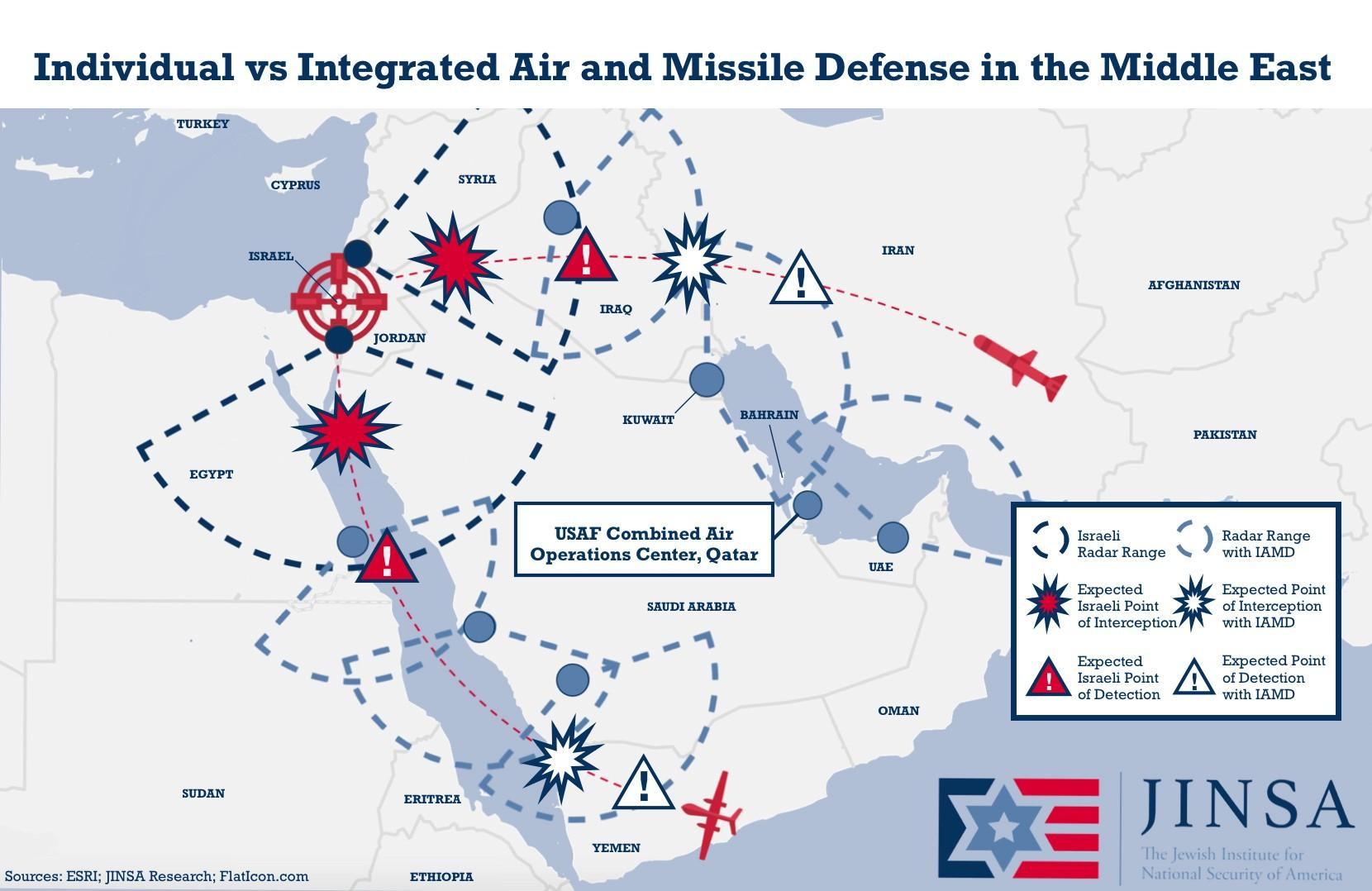
- A ballistic missile was launched from Yemen
- Targeted toward Israeli territory
- Israel’s air defense system intercepted it mid-air
- No major casualties reported
At first glance, it may seem like a limited incident.
But in reality, it was a strategic move.
👉 This was not about destruction it was about entry into the war.
Chapter 2: 🧠 Who Are the Houthis? Background, History & Role in the War
To fully understand the recent missile attack on Israel, it is important to know who the Houthi movement are and why they play such a critical role in the region.
Origins of the Houthi Movement
The Houthis, officially known as Ansar Allah, are a political and military group that emerged in Yemen during the 1990s.
They are primarily rooted in the Zaydi Shia community, a branch of Islam that has historically been present in northern Yemen.
The movement was founded under the leadership of Hussein al-Houthi, who positioned the group as an opposition force against the Yemeni government at the time.
⚔️ Early Conflict and Rise to Power
The Houthis initially opposed former Yemeni president Ali Abdullah Saleh, accusing his government of corruption and foreign influence, particularly from the United States and Saudi Arabia.
In 2004:
- Hussein al-Houthi was killed by Yemeni forces
- This triggered an armed uprising known as the Houthi insurgency
After his death, leadership passed to his brother Abdul-Malik al-Houthi, who continues to lead the group today.
Ideology and Regional Influence
Over time, the Houthis developed a strong ideological stance that includes:
- Opposition to the United States
- Opposition to Israel
- Resistance to Western influence in the Middle East
Their messaging and strategy have been influenced by groups like Hezbollah, and they are widely seen as part of a broader regional alliance often described as the “Axis of Resistance.”
🤝 Connection with Iran
The Houthis are widely believed to receive support from Iran.
This relationship includes:
- Political backing
- Military assistance
- Strategic coordination
👉 Because of this, many analysts view the Yemen conflict as part of a larger regional power struggle involving Iran, Saudi Arabia, and the United States.
🔥 Role in Yemen’s Civil War
The Houthis became a dominant force during Yemen’s internal conflict.
Key developments:
- Participated in the 2011 Yemeni uprising
- Seized control of the capital, Sana’a, in 2014
- Triggered a Saudi-led military intervention
Since then, Yemen has been locked in a prolonged and devastating civil war.
🚢Expanding Beyond Yemen
In recent years, the Houthis have expanded their operations beyond Yemen.
They have:
- Launched missile and drone attacks
- Targeted regional infrastructure
- Attacked shipping routes in the Red Sea
👉 These actions have increased their strategic importance in global geopolitics.
Human Rights Concerns
The group has faced international criticism over:
- Allegations of targeting civilians
- Use of child soldiers
- Restrictions on freedoms in controlled areas
👉 These concerns have led some countries to designate the group as a terrorist organization.
Role in the Current War
Following the escalation between Iran and Israel, the Houthis have now entered the conflict directly.
Their recent missile launch toward Israel marks:
- A major escalation
- Expansion of the war beyond its original front
- Increased risk of a wider regional conflict
Why This Matters
The involvement of the Houthis means:
👉 The conflict is no longer limited to a few countries
👉 Multiple regional actors are now engaged
👉 The risk of disruption to global trade and oil supply increases
Final Insight
The Houthi movement are no longer just a local Yemeni force.
👉 They are now a key regional player influencing:
- Military strategy
- Global trade routes
- The broader Middle East conflict
Chapter 3: Why Did the Houthis Attack Now?
Timing is everything in geopolitics.
So why now?
1. Response to Escalation
As strikes against Iran and its allies intensified, pressure increased across the region.
👉 The attack sends a message:
“We are now part of this conflict.”
2. Expanding the Battlefield
Before this:
- Fighting was mostly concentrated
Now:
👉 The battlefield stretches from:
- Iran
- Israel
- Gulf region
- And now Yemen
🔥 3. Strategic Pressure on Israel & the US
By opening another front, the Houthis:
- Force Israel to divide attention
- Increase military pressure
- Stretch defense systems
👉 This is a classic multi-front strategy
🌊 Chapter 4: The Hidden Danger Global Shipping Routes


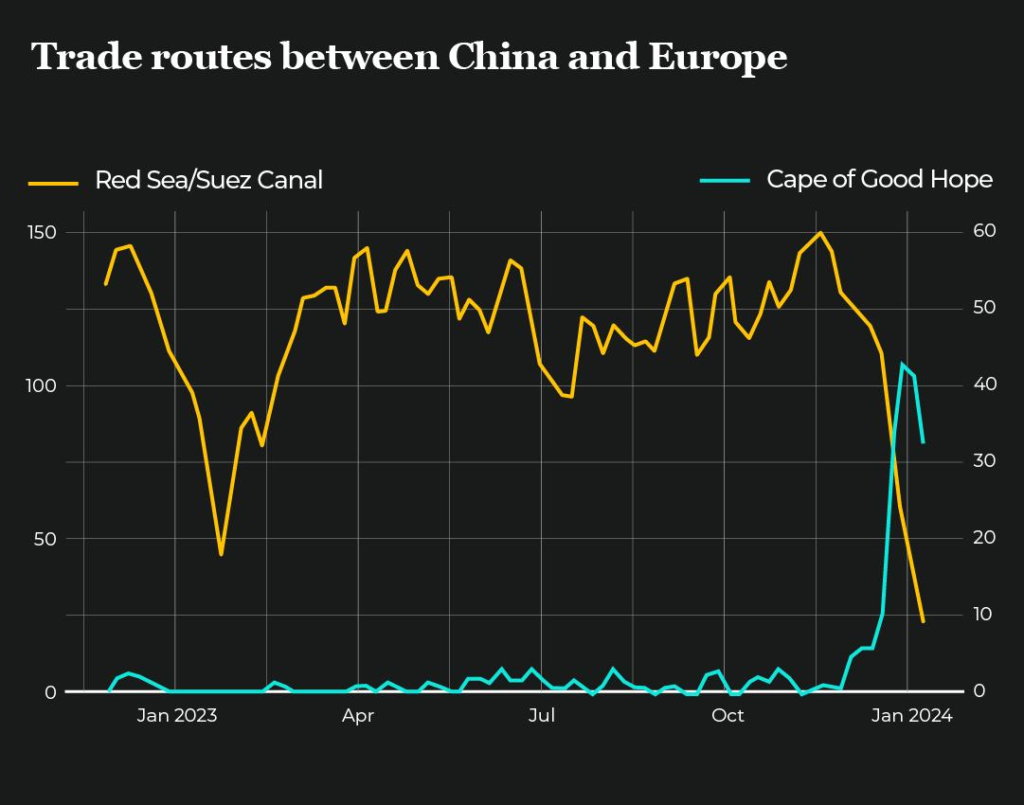
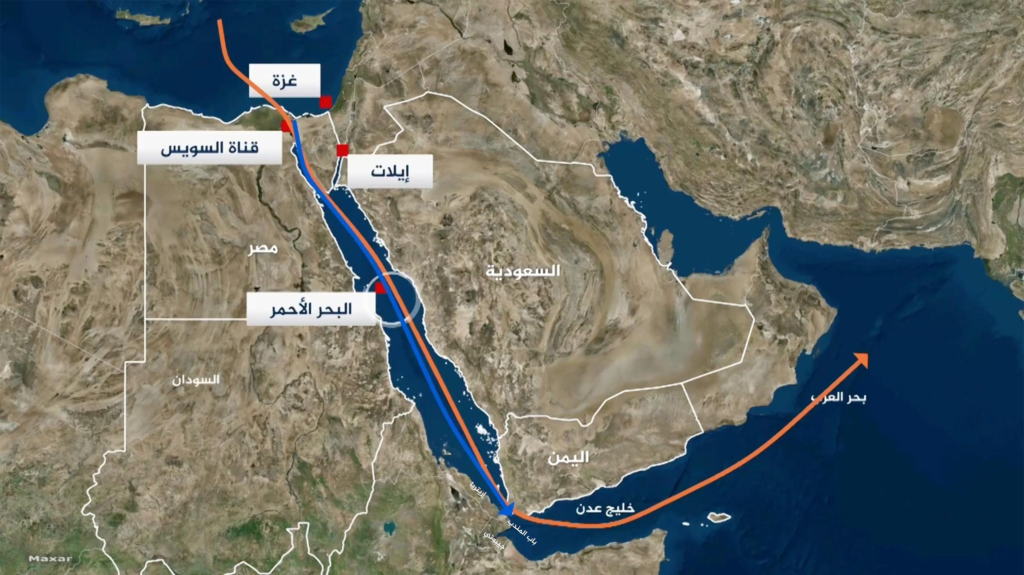
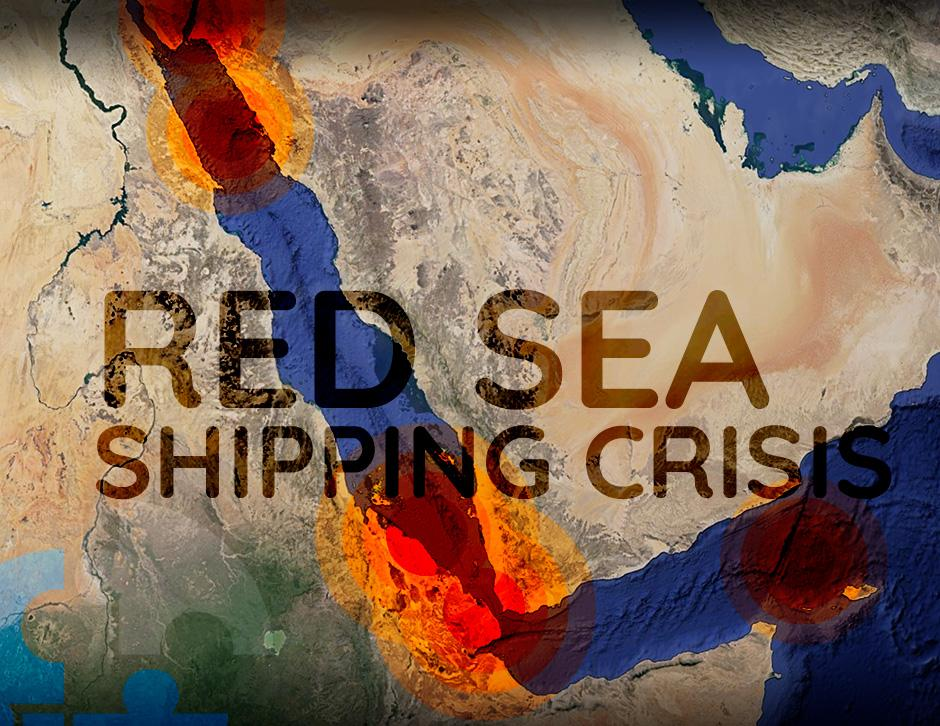
This is where things become global.
The Houthis operate near the Bab al-Mandab Strait one of the most important shipping chokepoints in the world.
Why This Matters
- Connects Red Sea to global trade routes
- Used by oil tankers and cargo ships
- Critical for Europe–Asia trade
Real Risk
If conflict escalates:
- Ships could be targeted
- Routes may be blocked
- Insurance costs rise
👉 Result:
- Oil prices increase
- Goods become expensive
- Global trade slows
Chapter 5: The Domino Effect How War Is Expanding
This conflict is not isolated.
It is spreading step by step.
Chain Reaction Explained
- Tensions rise between Iran & Israel
- Military strikes begin
- US gets involved
- Regional allies activate
- Houthis join
👉 Each step increases complexity.
Now Multiple Regions Are Involved
- Middle East core
- Gulf region
- Yemen
- Trade routes
👉 This is no longer a single conflict
👉 It is becoming a regional system-wide crisis
Chapter 6: Military Balance Who Stands Where?
Let’s simplify the situation.
🇮🇱 Israel
- Advanced defense systems
- Strong air force
- Intercepted missile successfully
🇮🇷 Iran
- Missile capabilities
- Regional alliances
- Strategic influence
🇺🇸 United States
- Military support to Israel
- Strategic deployments
- Air operations
🇾🇪 Houthis
- Missile attacks initiated
- Threat of continued strikes
- Control over strategic coastline
👉 This creates a layered conflict, not a simple war.
Chapter 7: Is This the Start of a Bigger War?
This is the question everyone is asking.
⚠️ Warning Signs
- New actors entering the conflict
- Attacks spreading geographically
- Strategic routes under threat
Possible Futures
🟢 Controlled Conflict
- Limited strikes
- No major expansion
🟡 Regional War
- Multiple groups involved
- Oil and shipping disruption
🔴 Major Escalation
- Larger global involvement
- Severe economic consequences
👉 Right now:
The situation is unstable but not fully out of control
Chapter 8: Global Impact Why This Affects Everyone
Even if you are thousands of miles away, this conflict impacts you.
💰Economic Effects
- Rising oil prices
- Increased transportation costs
- Inflation pressure
Daily Life Impact
- Higher fuel prices
- Expensive goods
- Slower economic growth
👉 This is how a regional conflict becomes a global economic issue
Chapter 9: What Happens Next?
Based on current developments:
Short-Term (Next Few Weeks)
- Possible additional missile launches
- Stronger air defense responses
- Increased military readiness
Medium-Term
- More regional groups may join
- Shipping risks increase
- Economic pressure builds
Long-Term
- Potential regional war
- Global economic instability
 Final Deep Analysis: What This Really Means
This attack is more than a military action.
👉 It represents:
- Expansion of conflict
- Activation of alliances
- Rising strategic pressure
The Core Reality
👉 The war is evolving from:
Direct conflict → Regional network conflict
Conclusion: A Turning Point in the Conflict
The missile attack by the Houthi movement marks a critical shift.
The involvement of Yemen signals that the conflict is no longer contained.
With tensions between Iran, Israel, and the United States continuing to rise, the world is entering a period of uncertainty and risk.
❓ FAQs
Q1: Who launched the missile at Israel?
The Houthi movement from Yemen.
Q2: Was the attack successful?
No, it was intercepted by Israeli defense systems.
Q3: Why is this attack important?
Because it opens a new front in the war.
Q4: Could the war spread further?
Yes, there is a growing risk of regional escalation.
Table of Contents
- Iran War 2026 What Happened and Why Is It Important?
- Helldivers 2 Ultimate Survival Guide: Best Weapons, Builds, Missions & Pro Tips (2026)
- The PlayStation 6 – Everything Gamers Have Been Waiting For – Specs, Power, Features, and the Future of PS Gaming
- Global Crisis 2026 – The New World Order? How Nations Are Reshaping Global Power and Economy- What Happens After the Dollar Era?
- The Witcher 3: Wild Hunt – The Fantasy Masterpiece That Redefined Open-World RPGs
Leave a Reply