Create Account
Esports Player
A professional gamer is a dream for many gaming fans, but turning that dream into a career takes more than playing for hours every day. Competitive gaming requires consistent practice, strategic thinking, teamwork, discipline, and the ability to perform under pressure.
The good news is that you do not need to start with a professional contract or expensive gaming setup. You can begin by improving your skills, competing in smaller tournaments, and learning how the esports industry works.
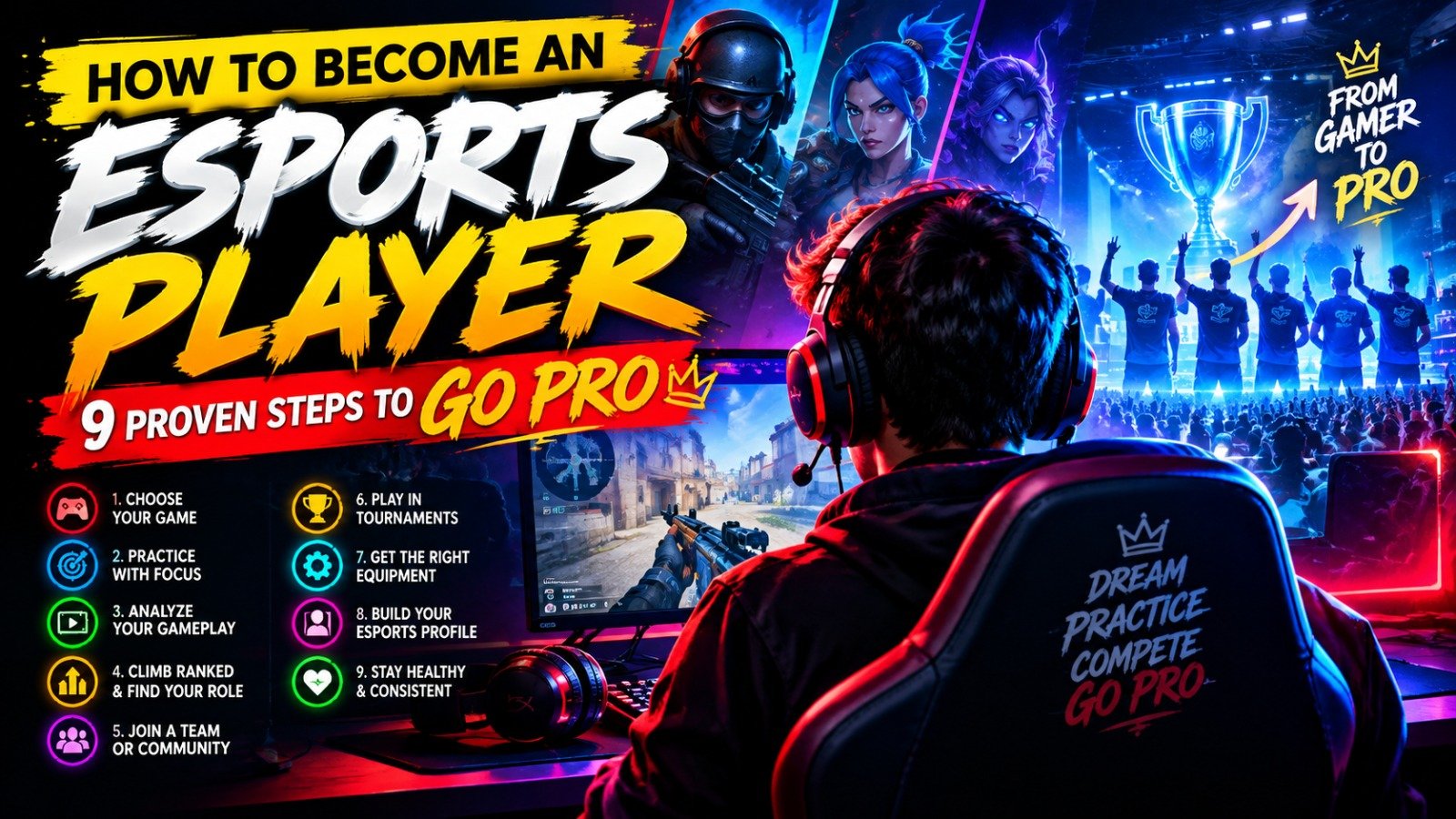
Here is how to become an esports player, step by step.
Choose One Competitive Game
Your first step is to choose a game you enjoy and want to master. Popular esports genres include first-person shooters, multiplayer online battle arena games, fighting games, sports simulations, and mobile competitive games.
Titles such as Valorant, Counter-Strike 2, League of Legends, and PUBG Mobile have competitive communities, but the best choice depends on your interests, platform, and region.
Focus on one main game instead of switching between several titles every day. Learn its mechanics, maps, characters, strategies, updates, and competitive rules.
Build Your Skills With Focused Practice
Playing more matches does not automatically make you a better player. Effective practice means identifying weaknesses and working on them deliberately.
Create a training routine that includes mechanics, ranked matches, strategy, and reviewing your performance. For example, an FPS player might practise aim and positioning, while a MOBA player could focus on map awareness and decision-making.
Set a clear goal for every session. Focused practice is more useful than playing repeatedly without knowing what you need to improve. The New Zealand Esports Federation also recommends structured training and performance review.
Learn From Your Own Matches
Recording and reviewing gameplay can reveal mistakes you may not notice while playing. This process is often called VOD review, which means watching recorded matches to evaluate performance.
Look for missed opportunities, poor positioning, weak communication, and repeated mistakes. Study experienced players to understand their decisions, but do not copy strategies without learning why they work.
Track your progress over time. Your goal should be to improve your decision-making and consistency, not simply to achieve a higher rank.
Climb Ranked Mode and Understand Your Role
Ranked matches help you test your skills against competitive opponents. Work toward a strong rank while learning the role that suits your abilities.
Some players excel at aggressive plays, while others are better at support, strategy, defence, or leadership. Team-based esports require players to understand their responsibilities and adapt to different situations.
A high rank can help demonstrate your ability, but it does not guarantee a professional opportunity. Teams also look for communication, reliability, teamwork, and performance in organised matches.
Join a Team or Competitive Community
Once you have developed your skills, look for amateur teams, community leagues, and organised competitions. You can explore official game communities, tournament platforms, gaming groups, and local esports events.
Start with teammates who communicate well and share your goals. Practise together, agree on schedules, and learn how to handle wins and losses as a team.
Team practice also teaches you how to coordinate strategies and make decisions under pressure. These skills are important when moving from ranked matches to organised competition.
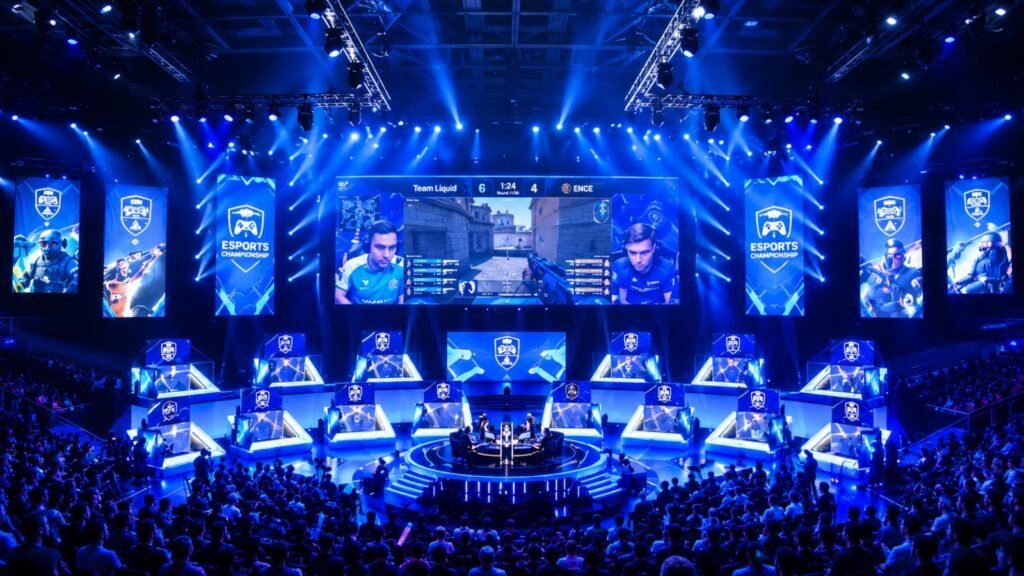
Enter Online and Local Tournaments
Tournaments provide valuable experience against opponents who are also trying to win. Begin with beginner-friendly competitions before targeting more challenging events.
Check the tournament rules, eligibility requirements, age restrictions, region availability, and entry fees before signing up. Keep a record of your results and learn from every match.
Even if you do not win immediately, competitive experience can help you understand your strengths and weaknesses. Consistent results are more useful for building credibility than highlight clips alone.
Use Suitable Gaming Equipment
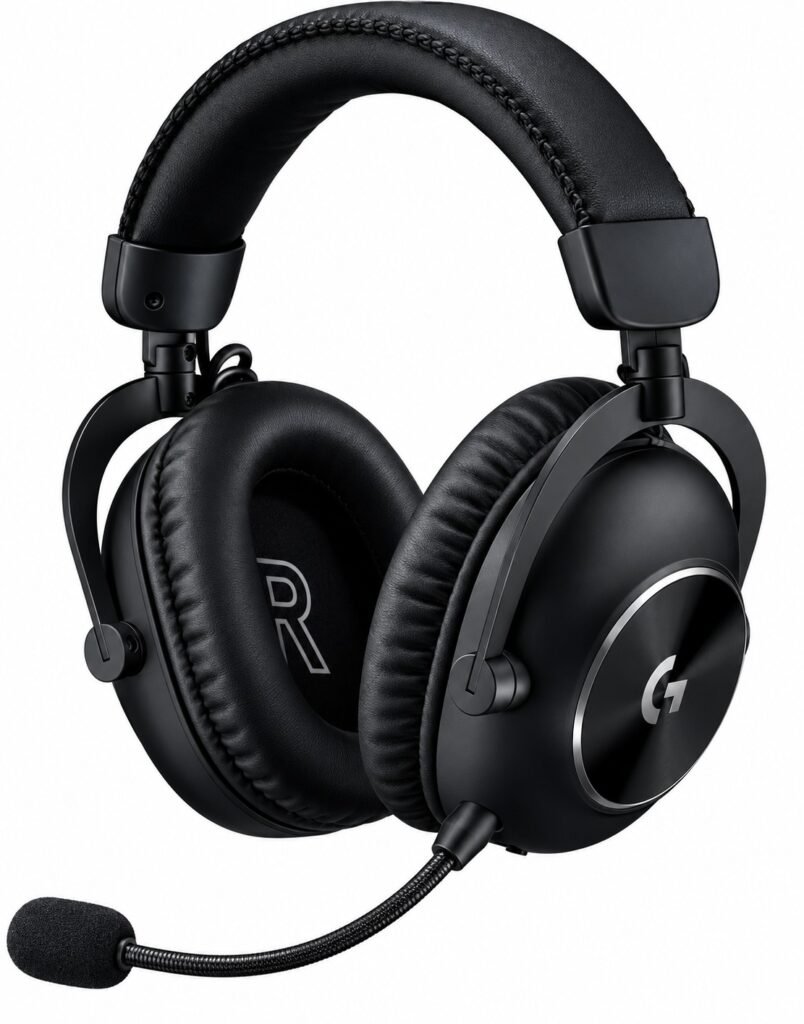
You do not need the most expensive gaming setup to begin. Prioritise reliable equipment that supports your chosen game.
PC players may benefit from stable performance, a responsive mouse, and a comfortable keyboard. Console players should focus on reliable controllers and a stable connection. Mobile players need a responsive device and comfortable controls.
A stable internet connection, comfortable setup, and consistent settings can help you practise without unnecessary distractions. Upgrade equipment when you can identify a real limitation, rather than buying gear simply because professionals use it.
Build Your Reputation and Esports Profile
Teams need ways to evaluate potential players. Create a simple competitive profile with your in-game name, main game, rank, role, tournament results, and team experience.
You can also share gameplay clips, match highlights, or useful analysis on platforms such as YouTube and social media. Keep your content authentic and avoid exaggerating your achievements.
Be respectful when communicating with players, organisers, and teams. Your reputation matters because esports opportunities often involve teamwork and long-term relationships.
Protect Your Health and Stay Consistent
Competitive gaming can be demanding, so build healthy habits into your routine. Take regular breaks, stretch, exercise, stay hydrated, and get enough sleep.
The Mayo Clinic’s esports health guidance highlights concerns such as eye strain, repetitive-motion injuries, posture, and sleep.
Avoid sacrificing education, work, finances, or relationships before you have a realistic career plan. Professional opportunities and income are not guaranteed, so keep your options open while developing your skills.
Can You Make Money as an Esports Player?
Professional players may earn money through team salaries, tournament prize pools, sponsorships, streaming, and content creation. However, earnings vary widely, and many aspiring players never reach the professional level.
Treat esports as a competitive career you build gradually. Focus first on measurable improvement, tournament experience, and finding opportunities that match your ability.

Final Thoughts
Learning how to become an esports player starts with choosing a game, practising with purpose, analysing your performance, and competing against stronger opponents. Joining a team and building a credible competitive profile can help you progress further.
There is no guaranteed shortcut to going pro. Stay disciplined, look after your health, and measure success by how consistently you improve. Every tournament and practice session can teach you something valuable about becoming a better competitor.
Table of Contents