Create Account
RuneScape
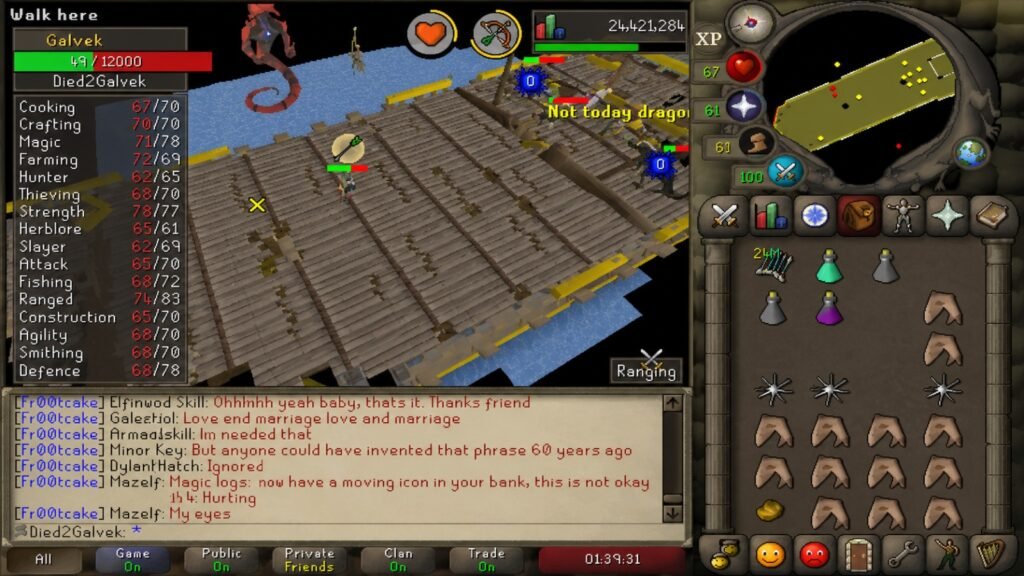
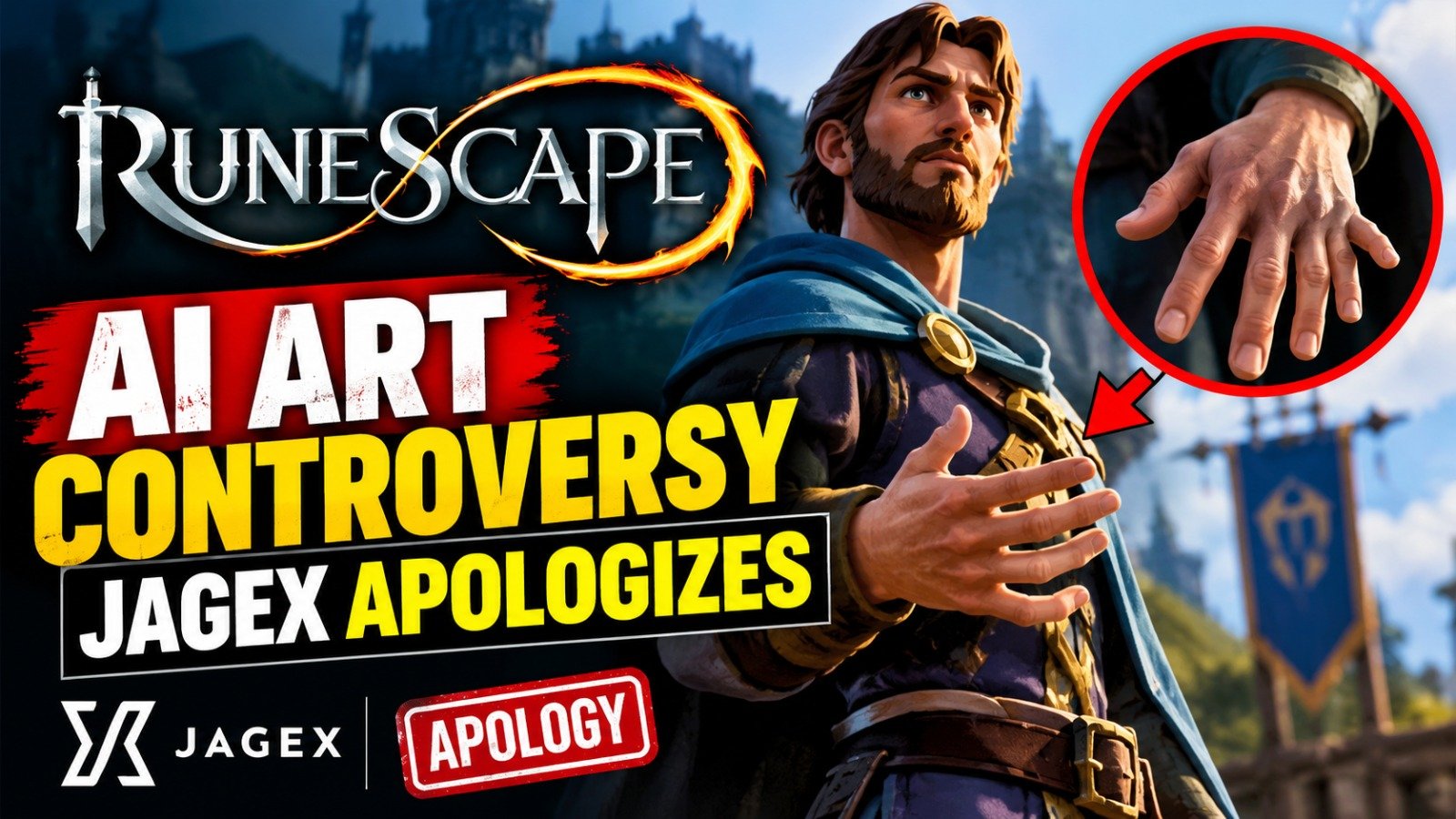
RuneScape developer Jagex has apologized after players spotted an apparent AI-generated character with six fingers in a promotional trailer for the upcoming Dragon Slayer II quest. The footage was presented during RuneFest 2026, but the unusual hand quickly attracted attention online. Jagex subsequently removed the trailer and said it was investigating how the material passed through its approval process. The company explained that an external partner had explicitly promised not to use generative AI. The incident has reignited debate about AI-generated artwork in gaming, particularly after Jagex had already communicated a firm position against using the technology in its games and creative assets.
What Happened in the RuneScape AI Art Controversy?
The controversy began when Jagex presented a trailer for RuneScape 3’s upcoming Dragon Slayer II quest at RuneFest. Players noticed a character whose hand appeared to have six fingers, alongside other visual details that raised suspicions about generative AI.
The extra finger became the most widely discussed example because it was immediately noticeable when viewers examined the footage. Some viewers also pointed to unusual footwear in the trailer, which appeared inconsistent with the fantasy setting.
These details prompted questions about how the promotional video was produced and whether the studio’s stated AI policy had been followed.
Why Did Jagex Apologize?
Jagex acknowledged the concerns in a statement shared with the RuneScape community on Reddit. The company said the trailer had been created by a trusted external partner who had explicitly confirmed that generative AI would not be used.
The studio removed the video while investigating the incident and apologized for the obvious visual mistake. It also acknowledged that the situation exposed weaknesses in its own processes.
Importantly, Jagex did not say that its entire game had been created using AI. The issue concerned promotional material produced by an outside partner, and the studio said it was investigating what happened.
What Is Jagex’s Policy on AI?

Jagex stated that it does not use generative AI to create its games, artwork, or creative assets and would not knowingly allow partners to use it on the company’s behalf.
That position makes the trailer particularly controversial. Players were not simply criticizing an awkward piece of artwork; they were questioning whether the company’s standards were being upheld by the people working on its behalf.
The incident also highlights a broader challenge for gaming studios. A company can establish rules for contractors, but those rules need to be supported by effective checks on the finished work.
Why Are RuneScape Players Upset?
For many players, the problem goes beyond a character having an extra finger. Human-made artwork is an important part of a game’s identity, and fans may worry that AI-generated promotional material could undermine the work of artists and illustrators.
The controversy also raises questions about trust. When a studio publicly states that it will not use generative AI in creative assets, players reasonably expect its marketing materials to follow the same standard.
The timing made the reaction more significant because Jagex had recently faced another AI-related controversy involving an Old School RuneScape clothing collaboration with 100 Thieves. That earlier incident had already raised concerns about how external partners handled the brand’s creative work.
What Will Happen to the Dragon Slayer II Trailer?
Jagex said it would overhaul its review processes following RuneFest. The company also announced plans to work with and commission creators from the community to tell the Dragon Slayer II story to the standard expected for such an update.
These commitments address two separate concerns: how outside work is checked before publication and how the studio can involve its own community in future creative projects.
As of October 15, 2026, the reported response focuses on the promotional trailer and its production process. The controversy does not, by itself, establish that the Dragon Slayer II quest or RuneScape’s in-game assets were generated by AI.
What This Means for the Gaming Industry
The incident demonstrates why human review remains important even when companies have clear rules for their creative partners. Unusual hands and inconsistent details can become obvious warning signs, but a proper review should go further than counting fingers.
Studios need to understand how commissioned artwork is made, verify that contractual requirements are followed, and check the final material before it reaches players. Relying entirely on a partner’s assurance can leave a company exposed to reputational damage.
For players, the larger question is how much transparency developers should provide when AI is involved in marketing, artwork, or other parts of a game.
Final Verdict: A Small Visual Error With Bigger Consequences
The six-fingered character may look like an easy joke for gamers, but the RuneScape AI art controversy has become a more serious discussion about creative standards and accountability. Jagex removed the Dragon Slayer II trailer, apologized, and promised to improve its review procedures after an external partner delivered material that appeared to conflict with the studio’s stated policy.
The next important step is whether those changes restore confidence among players. Until Jagex provides further verified updates, the incident should be understood as a controversy involving promotional material rather than proof that the game itself uses AI-generated assets. For gaming studios everywhere, the lesson is straightforward: clear policies matter, but so does checking the work before it goes public.
Table of Contents