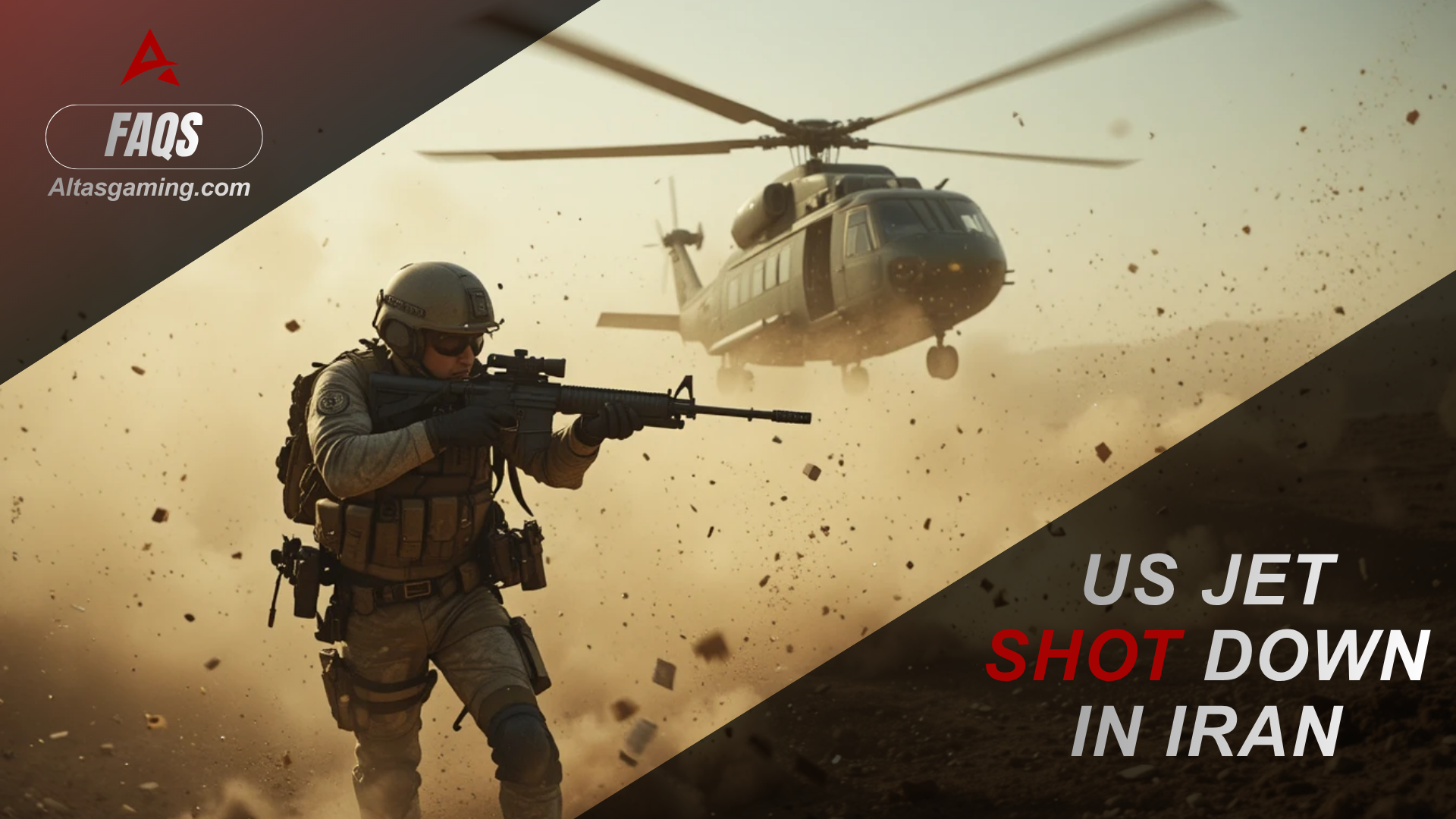
US Jet Shot Down in Iran One Crew Rescued, Second Still Missing in ‘Harrowing’ Search Operation US F-15 Downed Over Iran Inside the Dangerous Race to Rescue a Missing Crew Member
A Mission Under Pressure
A tense and high-risk rescue operation is unfolding inside Iran after a F-15 Eagle from the United States Air Force was reportedly brought down.
Footage circulating online appears to show aircraft and helicopters operating over southern Iran a possible indication of an active rescue effort.
Early reports suggest:
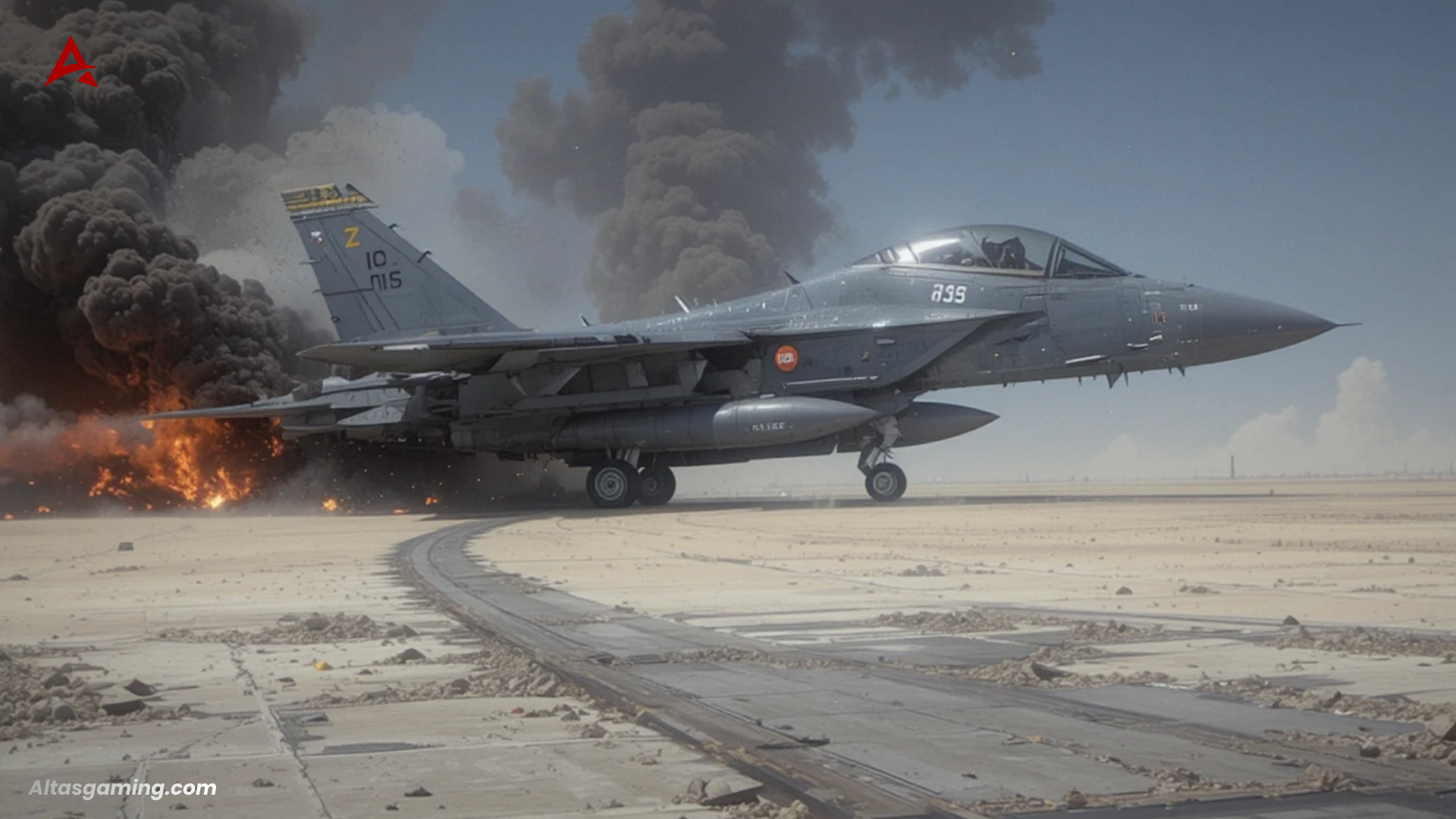
- One crew member has been rescued
- A second remains missing
- Search operations are ongoing in hostile terrain
But behind these updates lies a far more complex and dangerous reality.
A Race Against Time
Combat Search and Rescue (CSAR) missions are among the most time-sensitive operations in modern warfare.
Unlike civilian rescue efforts, these missions take place in environments where:
- Enemy forces may be nearby
- Surveillance is constant
- Every delay increases the risk of capture
In this case, rescue teams are not alone in the search.
They are likely racing against local forces who may also be attempting to locate the missing US crew member.
How Rescuers Think in the Field
According to insights shared on the BBC World Tonight programme, former US Marine special operations specialist Jonathan Hackett described how these missions unfold.
“They’re trying to work backwards from the last point they knew that person was,” he explained,
“and fan out based on how far that individual could have moved under extremely difficult conditions.”
This means:
- Mapping terrain
- Estimating survival movement
- Searching multiple zones simultaneously
All while under the constant threat of detection.
A “Non-Standard” Rescue Scenario
Hackett also suggested this could be a “non-standard assisted recovery mission.”
In such cases:
- Local or indigenous groups may already have been contacted
- Contingency plans may exist
- Support networks could be activated quickly
This adds another layer of complexity and uncertainty to the operation.
The Long History of CSAR Missions
The urgency and risk seen today are not new.
Combat rescues have a long and dramatic history.
Early Beginnings
During World War I, pilots would sometimes land behind enemy lines to rescue downed comrades often improvising under extreme danger.
The First Helicopter Rescue
In 1944, a US lieutenant carried out what is widely considered the first helicopter rescue mission in combat, saving four soldiers behind enemy lines.
This marked:
- The first operational use of helicopters in war
- The beginning of modern aerial rescue tactics
🇻🇳 Vietnam War: The Turning Point
Modern CSAR operations truly evolved during the Vietnam War.
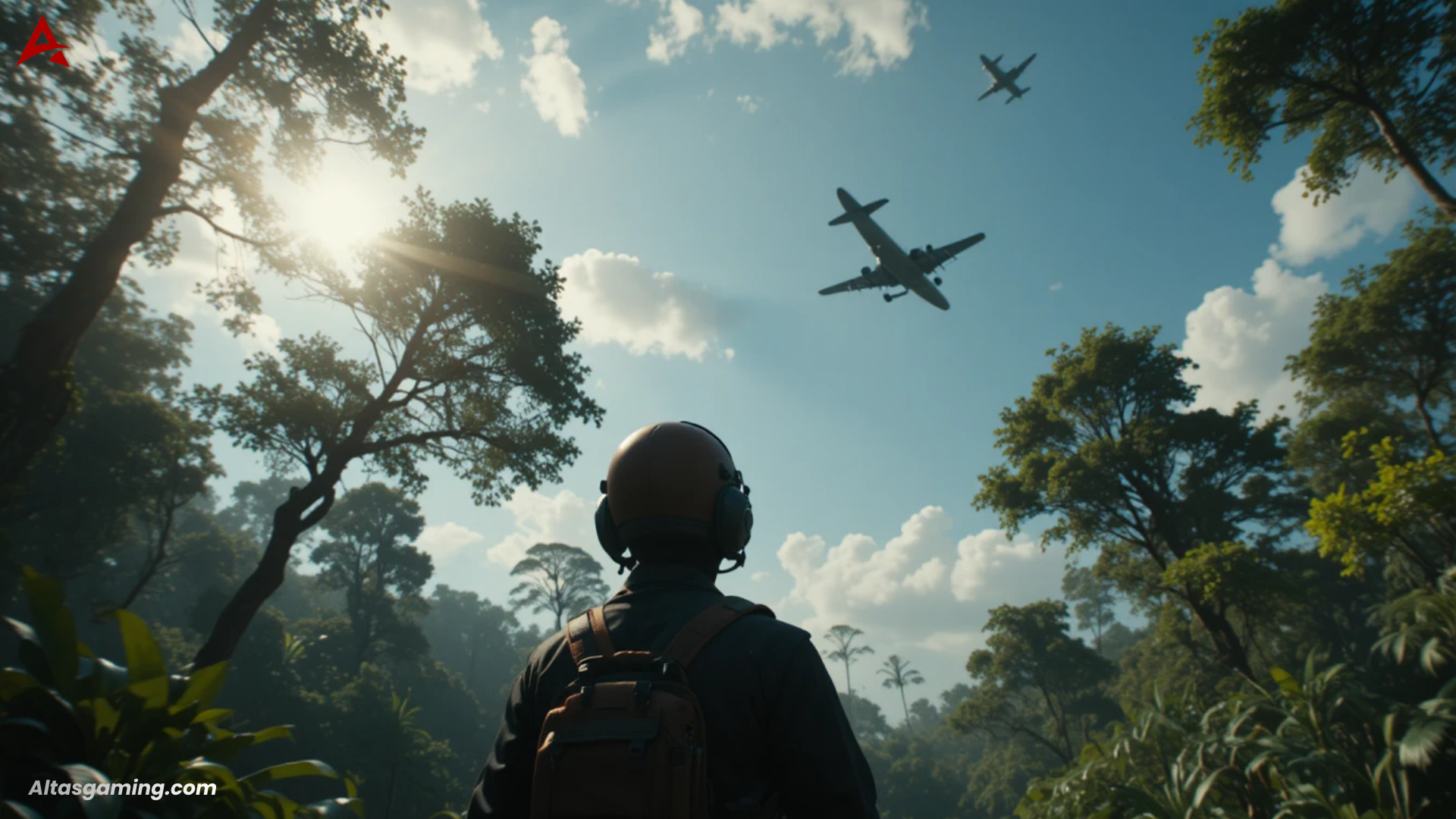
One of the most famous missions, Bat 21, highlighted the risks:
- Multiple aircraft lost
- High casualties
- Complex recovery attempt
These missions reshaped military strategy and led to the structured CSAR systems used today.
The Elite Force Behind the Missions
Today, the responsibility for such operations lies primarily with the United States Air Force.
Pararescue Jumpers (PJs)
At the center of these missions are Pararescue Jumpers, elite specialists trained for extreme conditions.
Their motto:
“These Things We Do, That Others May Live.”
Training & Skills
Becoming a PJ is one of the toughest paths in the military:
- ⏳ Training duration: ~2 years
- 🪂 Parachuting
- 🌊 Diving
- 🧭 Survival & escape training
- 🏥 Full paramedic certification
They are both:
- Soldiers
- Medics
Leadership on the Ground
Operations are led by Combat Rescue Officers, who:
- Plan missions
- Coordinate teams
- Execute recovery under pressure
Lessons from Past Rescue Missions
The US has carried out thousands of rescue operations over decades.
Notable Missions
🇧🇦 Bosnia (1995)
Pilot Scott O’Grady survived six days behind enemy lines before being rescued.
🇷🇸 Serbia (1999)
An F-117 stealth pilot was successfully recovered after being shot down.
🇦🇫 Afghanistan (2005)
Pararescue teams helped recover a Navy SEAL survivor a story later adapted into the film Lone Survivor.
These missions highlight:
- Persistence
- Precision
- High stakes
Why This Current Mission Is Different
While rescue missions have always been dangerous, this one carries unique risks:
- Active geopolitical conflict
- Highly sensitive location
- Potential for escalation
Unlike past missions, this operation could have global political consequences.
What Happens Next?
The next phase depends on one critical factor:
Whether the missing crew member is found and how
Best Case Scenario
- Successful rescue
- Rapid extraction
- Controlled escalation
Ongoing Operation
- Extended search
- Increased military presence
- Rising tension
Worst Case Scenario
- Capture of personnel
- Intelligence risk
- Major escalation
Final Analysis
This situation highlights a fundamental truth of modern warfare:
It is not just about firepower
It is about rescue, survival, and speed under pressure
 Final Thought
Somewhere in difficult terrain, a rescue team is searching.
Not just for a missing soldier
But for a promise every military makes:
No one gets left behind.
FAQs🔥
Q1: Why do CSAR teams sometimes arrive before official confirmation of a crash?
Because military systems often detect signals (like emergency beacons or radar loss) instantly, allowing rescue teams to move even before public confirmation.
Q2: Can a downed pilot survive alone in hostile terrain for days?
Yes pilots are trained in survival, evasion, resistance, and escape (SERE), allowing them to hide, move strategically, and signal rescuers even in extreme conditions.
Q3: How do rescue teams avoid being tracked during a CSAR mission?
They use low-altitude flying, radio silence, night operations, and decoy movements to reduce detection risk.
Q4: What happens if both rescue teams and enemy forces reach the pilot at the same time?
This creates a high-risk confrontation scenario, potentially leading to direct conflict which is why timing is critical.
Q5: Are local civilians ever involved in military rescue operations?
In some cases, pre-established contacts or friendly local groups may assist indirectly, especially in “non-standard recovery missions.”
Q6: Why are helicopters still used despite modern drone technology?
Helicopters provide flexibility, human decision-making, and rapid extraction something drones cannot fully replace yet.
Q7: What kind of gear does a downed pilot carry for survival?
Typically includes:
- Emergency beacon
- Survival kit
- Communication tools
- Basic medical supplies
Q8: Why are some CSAR missions kept secret for years?
To protect tactics, intelligence methods, and identities of personnel involved.
Q9: How do rescuers locate someone without GPS signal?
They rely on:
- Last known coordinates
- Terrain analysis
- Visual search patterns
- Intelligence data
Q10: What is the biggest risk during extraction?
The moment of pickup when helicopters land or hover is the most vulnerable phase for attack.
Q11: Could a rescue mission like this trigger a larger war?
Yes if the operation leads to direct confrontation between forces, it can escalate tensions rapidly.
Table of Contents
- Iran War 2026 What Happened and Why Is It Important?
- Helldivers 2 Ultimate Survival Guide: Best Weapons, Builds, Missions & Pro Tips (2026)
- The PlayStation 6 – Everything Gamers Have Been Waiting For – Specs, Power, Features, and the Future of PS Gaming
- Global Crisis 2026 – The New World Order? How Nations Are Reshaping Global Power and Economy- What Happens After the Dollar Era?
- The Witcher 3: Wild Hunt – The Fantasy Masterpiece That Redefined Open-World RPGs
Leave a Reply