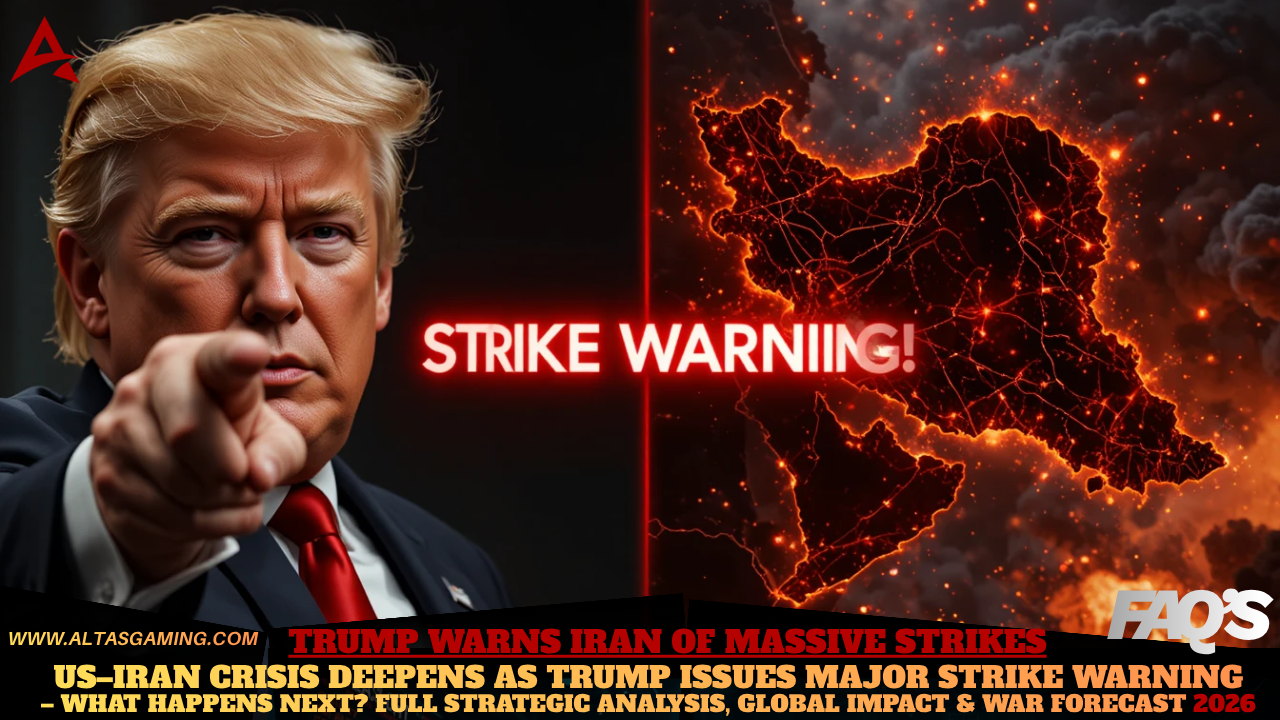
🔥 Trump Warns Iran of Massive Strikes- Power Plants, Bridges & the Risk of a Wider War (2026 Crisis Deep Analysis)
US–Israel Strategy, Russia–China Role, Nuclear Risk Reality & What Comes Next

By  ltasGaming | April 2026
🚨 Breaking Developments- Infrastructure Threats & Escalation Signals
Trump Warns Iran of Massive Strikes
In a recent interview, Donald Trump issued one of the strongest warnings yet to Iran:
If no agreement is reached, Iran could face strikes on power plants and bridges, targeting core infrastructure.
At the same time, Israel has warned civilians to avoid railway systems, indicating possible targeting of transport networks.
👉 What this means:
The conflict is shifting from military targets → strategic infrastructure pressure, a serious escalation signal.
⚠️ Important Reality Check (AdSense-Safe & Verified Framing)
- No confirmed use of nuclear weapons
- No verified evidence of Russian troop deployment into Iran
- No official Chinese nuclear warning to the US
👉 However:
- Intelligence sharing and cyber support claims are being reported and debated
- Geopolitical alignment is becoming more visible
👉 Key Insight:
The war is increasingly becoming a multi-layered global strategic competition, not just a regional conflict.
🌍 Chapter 1: The Strategy Behind Targeting Infrastructure
🎯 Why Power Plants & Bridges?
Targeting infrastructure can:
- Disrupt electricity and communication
- Slow military logistics
- Increase internal pressure on governments
👉 This strategy is often used to force negotiation without full invasion.
🇺🇸 Chapter 2: Trump’s Strategic Doctrine – Maximum Pressure Escalation
Donald Trump appears to be applying a “maximum pressure 2.0” doctrine:
🔥 Key Elements
- Threat of high-impact strikes
- Strict deadlines for compliance
- Psychological pressure through public messaging
👉 Objective:
Force Iran into a strategic compromise quickly
🇮🇱 Chapter 3: Israel’s Tactical Signals – Civilian Warnings
Israel advising civilians to avoid trains suggests:
- Potential targeting of transport routes
- Pre-emptive warning to reduce casualties
- Signaling seriousness of upcoming operations
👉 Military Insight:
Warnings often precede precision strikes.
🇷🇺 Chapter 4: Russia’s Alleged Role – Intelligence & Cyber Dimension
Reports suggest Russia may be:
- Providing intelligence insights
- Offering cyber support capabilities
- Sharing battlefield analysis
👉 However:
- No confirmed large-scale troop deployment
- No verified submarine deployment evidence
👉 Strategic View:
Russia may prefer indirect involvement rather than direct war entry.
🇨🇳 Chapter 5: China’s Role – Economic & Strategic Support
China has:
- Continued purchasing Iranian oil
- Helped stabilize Iran’s economy under sanctions
📊 Impact:
- Financial lifeline for Iran
- Reduced economic pressure effectiveness
👉 Key Insight:
China’s role is economic stabilization, not military escalation.
🧠 Chapter 6: The “War of Signals” – Intelligence & Tech Warfare
Modern conflict is increasingly about:
- Satellite imagery
- Cyber warfare
- Electronic intelligence
👉 Reports suggest cooperation between Iran and major powers is improving its:
- Surveillance capability
- Strike accuracy
👉 Reality:
This reduces the traditional dominance of US-Israel intelligence systems.
⚠️ Chapter 7: Nuclear Risk – Fact vs Fear

❓ Can the US Use Nuclear Weapons?
👉 Technically: Yes (as a nuclear power)
👉 Practically: Extremely unlikely
🚫 Why Not?
- Global consequences would be catastrophic
- Political and legal backlash
- Risk of full-scale global war
❓ Could Israel Push for Nuclear Action?
👉 No confirmed evidence
👉 Israel’s strategy focuses on:
- Precision strikes
- Strategic deterrence
❓ Did China Warn About Nuclear Use?
👉 No verified official warning
👉 China generally advocates:
- Stability
- De-escalation
👉 ltas Insight:
Nuclear discussion is driven more by fear and speculation than actual policy.
🌊 Chapter 8: Strait of Hormuz – The Global Risk Zone
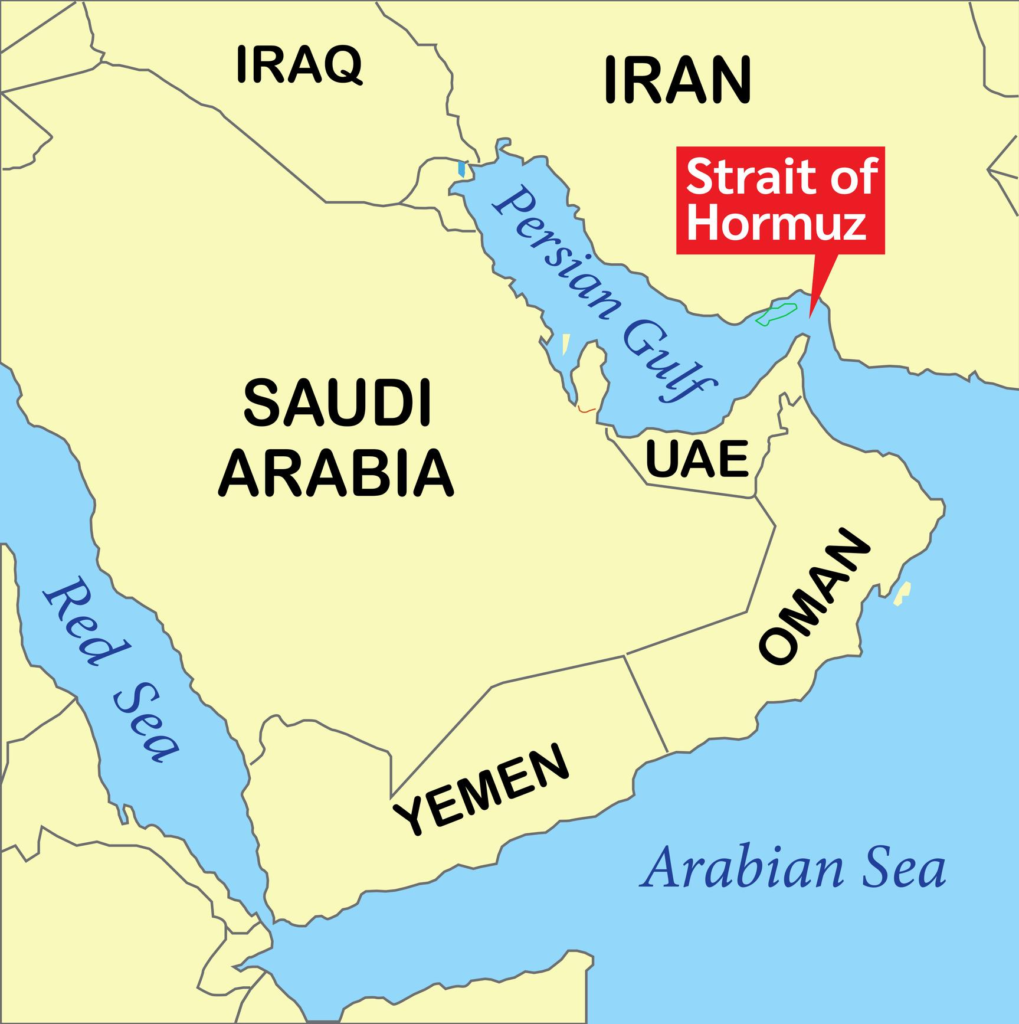
The Strait of Hormuz remains critical
- 20% of global oil passes through
- Any disruption = global economic shock
👉 Current situation:
- Increased naval tension
- Rising risk perception
📈 Chapter 9- Global Economic Impact
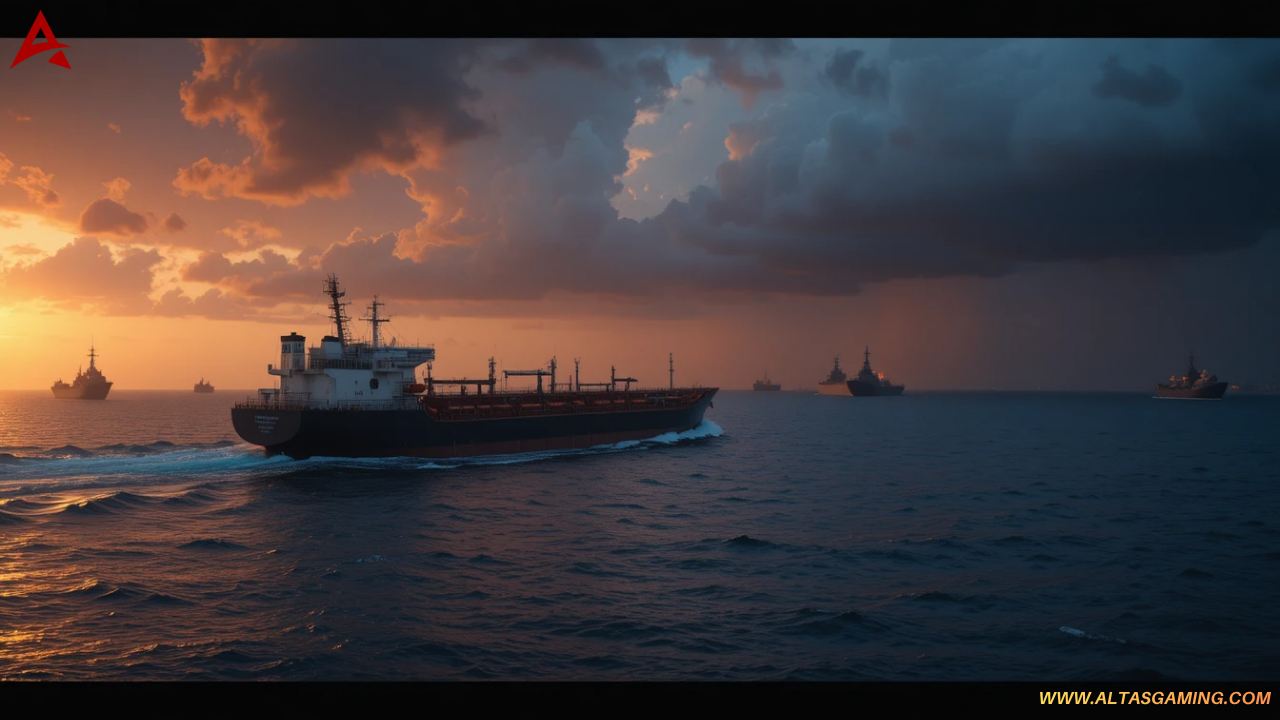
🛢️ Oil
- Highly sensitive to escalation
- Prices could spike further
💰 Global Economy
- Inflation pressure rising
- Trade uncertainty increasing
👉 Markets respond not just to war
but to uncertainty and fear of escalation.
🔮 Chapter 10- What Happens Next? (Strategic Forecast)
🟢 Scenario 1- Controlled Pressure
- Limited strikes
- Negotiations follow
🟡 Scenario 2- Expanded Conflict
- Infrastructure damage increases
- Regional instability grows
🔴 Scenario 3- Regional Escalation
- More countries indirectly involved
- Global economic shock
👉 Most Likely:
Controlled escalation with strong pressure tactics
🌐 Chapter 11- Global Geopolitical Shift
This crisis highlights:
- US–Israel military coordination
- Russia–China indirect support dynamics
- Rising multipolar world order
👉 Big Picture:
The world is moving from single superpower → multiple power centers
ltas Final Strategic Opinion 🧠

This is not just a war of weapons
👉 It is a war of:
- Pressure
- Signals
- Strategy
🔥 Key Reality:
- No side wants full war
- But each step increases risk
👉 The biggest danger is miscalculation, not intention.
📌 Final Conclusion
The current situation is highly sensitive but still controllable.
👉 Critical factors ahead:
- Diplomatic decisions
- Military restraint
- Global reactions
Final Thought:
The next few days and decisions could determine whether this crisis:
👉 Stays limited
OR
👉 Expands into a much larger conflict
❓ FAQ’s
Q1: Is the US planning nuclear strikes?
👉 No verified evidence, highly unlikely
Q2: Is Russia sending forces to Iran?
👉 No confirmed large-scale deployment
Q3: Is China warning the US?
👉 No official nuclear warning confirmed
Q4: Why target infrastructure?
👉 To pressure without full invasion
Q5: Could this become a world war?
👉 Not currently, but escalation risks exist
🔥 Final Altas Thought
In modern conflicts:
👉 القوة (power) is not just military
It is also:
- Information
- Economics
- Perception
And the outcome will depend on
👉 who controls escalation… and who controls restraint.
Table of Contents
- Iran War 2026 What Happened and Why Is It Important?
- Helldivers 2 Ultimate Survival Guide: Best Weapons, Builds, Missions & Pro Tips (2026)
- The PlayStation 6 – Everything Gamers Have Been Waiting For – Specs, Power, Features, and the Future of PS Gaming
- Global Crisis 2026 – The New World Order? How Nations Are Reshaping Global Power and Economy- What Happens After the Dollar Era?
- The Witcher 3: Wild Hunt – The Fantasy Masterpiece That Redefined Open-World RPGs
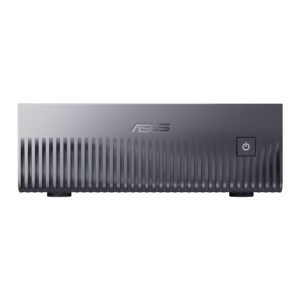

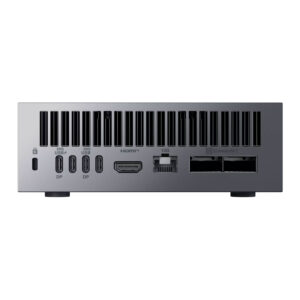
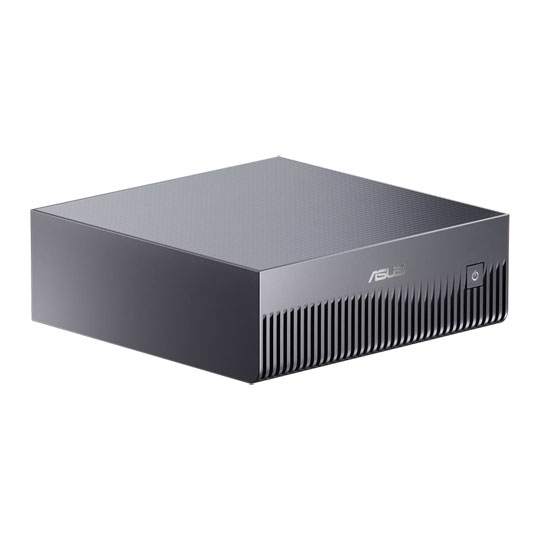
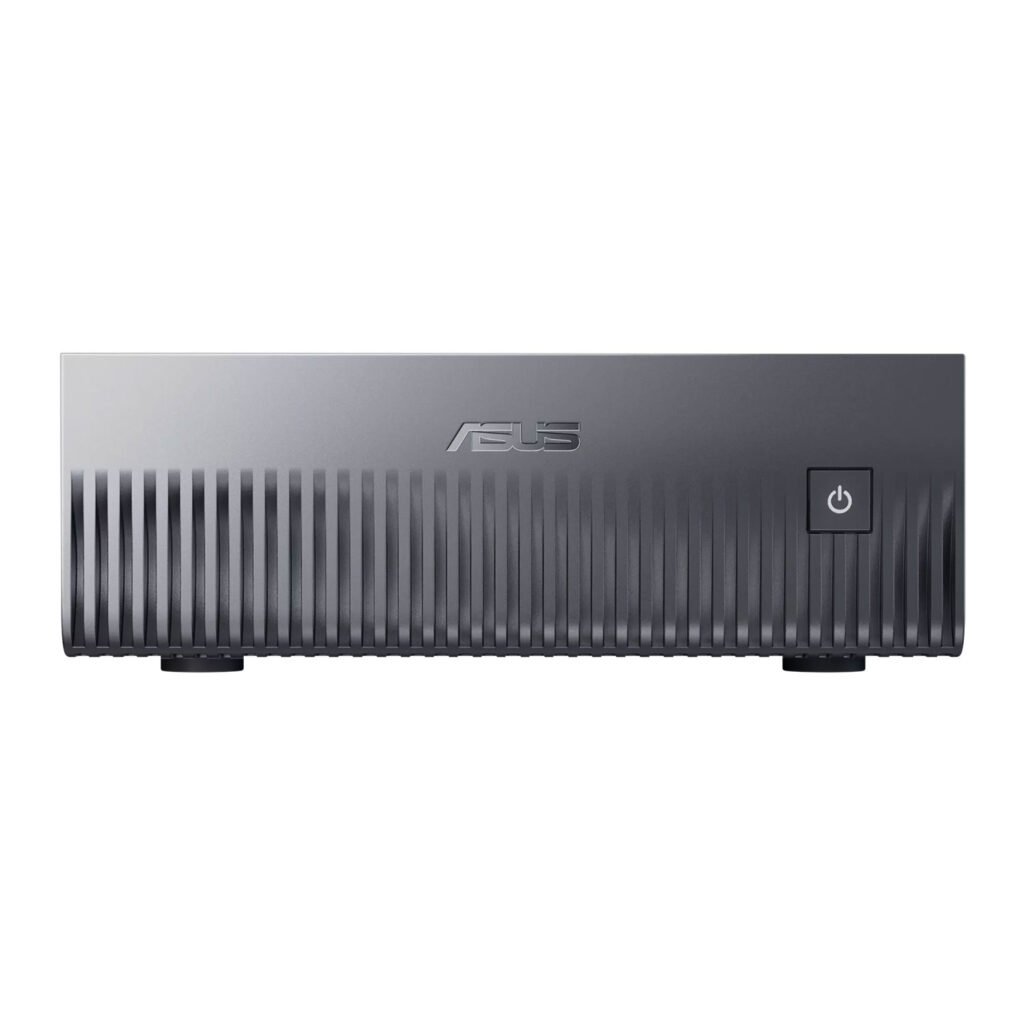

ASUS Ascent GX10 Supercomputer
ASUS Ascent GX10 Supercomputer
Compact Desktop AI Supercomputer, powered by the NVIDIA® GB10 Grace Blackwell Superchip and NVIDIA DGX™ Spark. Seamless integration and deployment, revolutionizing AI
- Extreme AI Performance: Powered by NVIDIA® GB10 Grace Blackwell Superchip delivering 1 petaFLOP of AI performance and 128GB memory for 200B model fine-tuning.
- Developer-Optimized Platform: Tailored for AI researchers and developers with full-stack compatibility and streamlined workflows.
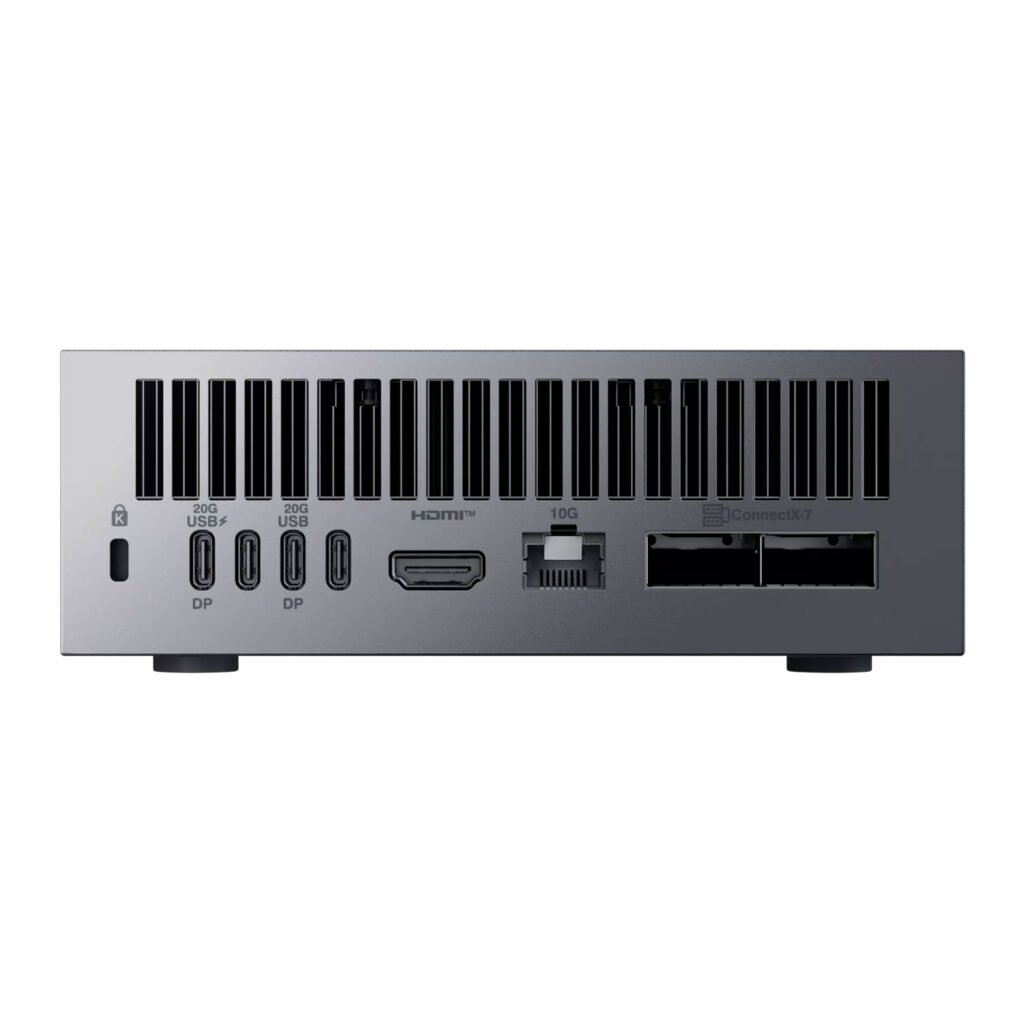
- Scalable Architecture: Featuring NVIDIA® NVLink™-C2C for ultra-fast CPU-GPU memory communication and NVIDIA® ConnectX-7 networking to support dual GX10 system stacking, unlocking superior scalability and performance.
- Advanced Thermal Design: Engineered cooling ensures sustained high performance and reliability in an ultra small form factor.
- Minimal Footprint, Maximum Efficiency: High-density compute power in a compact system designed for labs, offices, and edge environments.
- Full Stack AI Solution: The GB10 and NVIDIA AI software stack provide a full stack solution for AI development and deployment.
The ASUS Ascent GX10, powered by the NVIDIA GB10 Grace Blackwell Superchip and the NVIDIA AI software suite, delivers a complete platform for AI creation and execution. Its streamlined, space-saving design ensures easy integration and rapid deployment, bringing exceptional AI performance to visionaries seeking top-tier results. Equipped with cutting-edge AI tools and NVIDIA® ConnectX®-7 networking, this compact server boosts AI potential while supporting your unique innovations.
RevolutionaryAI PerformanceOn Your Desktop
The revolutionary ASUS Ascent GX10 AI Supercomputer, driven by the cutting-edge NVIDIA® GB10 Grace Blackwell Superchip (featured in the NVIDIA DGX Spark), delivers petaflop-scale AI computing power to the workstations of developers, researchers, and data scientists. Built to advance local AI innovation, this powerful system combines exceptional performance with sophisticated features to accelerate progress in AI development.
Compact.Powerful.Scalable.
Compact Size 150 x 150 x 51mm
Unparalleled AI PerformanceUp to 1 petaFLOP of AI performance using FP4Delivers 1 petaFLOP of AI performance to drive demanding AI computing tasks.128 GB LPDDR5x Coherent Unified System MemoryEmpowers advanced model development, experimentation, and efficient inferencing with ample and reliable memory capacity.
Up to1 petaFLOPof AI Performance
Using FP4
128GCoherent Unified
System Memory

Cutting-Edge ArchitectureNVIDIA GB10 Grace Blackwell Superchip:At the core of the ASUS Ascent GX10 is a high-performance Blackwell GPU, boasting fifth-generation Tensor Cores and FP4 support.High-Performance 20-Core Arm CPU:Optimises data preprocessing and workflow orchestration, speeding up model tuning and real-time inference.NVLink™-C2C Technology:Delivers a cohesive CPU and GPU memory architecture offering fivefold the bandwidth of PCIe 5.0.
Use, train & experiment withLarge-scale AI models

Support for AI Models 200 Billion ParametersDesign, refine, and infer cutting-edge AI reasoning models right from your desktop.
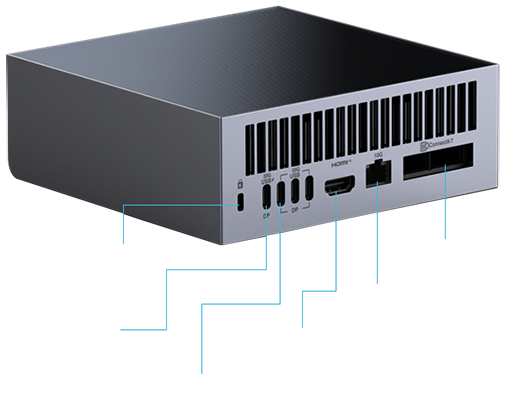
Integrated NVIDIA® ConnectX®-7 Network TechnologyConnect two ASUS Ascent GX10 units to tackle larger-scale models, including Llama 3.1 with 405 billion parameters.
Next-Gen AI Networking with:NVIDIA® ConnectX-7
The ASUS Ascent GX10 features NVIDIA® ConnectX-7, providing ulta-high-speed networking for fast data transfer and minimal latency when handling distributed AI workloads.
 ULTRA-FAST AI DATA THROUGHPUTWith bandwidth of up to 200Gb/s, data moves lightning-fast between nodes – perfect for large-scale, distributed AI tasks.
 SECURE, INTELLIGENT NETWORKINGIntegrated hardware acceleration for TLS, IPsec, and MACsec secures data in transit while eliminating CPU overhead.
 PRECISION-CRITICAL PERFORMANCESupport for IEEE 1588v2 PTP delivers microsecond-precision time sync for time-critical AI and edge computing workloads.
Integrated AI Software Stackfor Seamless Development
The ASUS Ascent GX10 uses NVIDIA® ConnectX-7 to provide ultra-fast networking, ensuring rapid data transfer and low-latency communication for distributed AI workloads.
PRELOADED AI FOR INSTANT DEVELOPMENTNVIDIA DGX OS (Ubuntu-based) – Optimised AI environment, ready to use.
NVIDIA AI Software Stack – Preloaded frameworks, SDKs, and tools for fast deployment.
OPTIMISED AI TOOLS & AI FRAMEWORKSCUDA, PyTorch, TensorFlow, Jupyter – Optimised for AI model development & inference.
NVIDIA TensorRT – High-performance AI inference engine.
NVIDIA NIMs & Blueprints – Prebuilt AI workflows & microservices.
INDUSTRY-LEADING AI MODEL SUPPORTDeepSeek R1 – AI inference optimised up to 70B parameters.
Llama 3.1 – Generative AI up to 405B parameters (dual-GX10).
Meta, Google models – Broad compatibility with industry-leading AI frameworks.
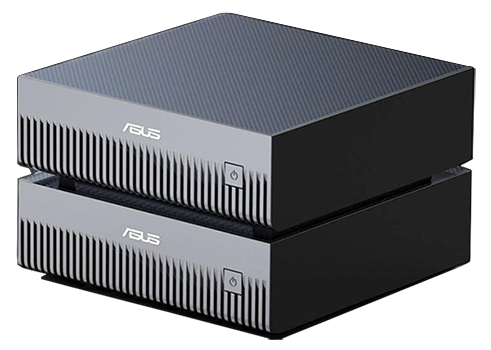
Optimised Cooling DesignEnsures sustained AI performance under heavy workloads.Compact Form FactorDelivers high-density AI computing in a small footprint.
Leave a Reply